The evolution of diagnostic testing during the COVID era changed how laboratories think about specimen handling, workflow design, and sample accessibility. As testing programs expanded, labs had to balance sensitivity, convenience, speed, and scalability. That is why evaluating specimen types became an important part of COVID-19 diagnostic testing and broader SARS-CoV-2 testing strategies.
Among the most discussed options were nasopharyngeal, nasal, and saliva testing. Each approach offered different operational advantages, collection experiences, and handling considerations. For many labs, the key question was not simply which sample type was familiar, but which one best supported reliable detection, efficient processing, and practical collection workflows.
Why specimen type matters in diagnostic testing
In any diagnostic testing, the quality and suitability of the specimen can influence the efficiency of the workflow and the confidence in the final result. In SARS-CoV-2 testing, specimen choice became especially important because labs needed options that could support both analytical performance and real-world collection logistics.
A useful evaluation of specimen types usually considers several factors:
- Ease of collection
- Comfort for the patient or participant
- Sample handling requirements
- Compatibility with transport and stabilization steps
- Workflow efficiency in the lab
- Overall detection sensitivity within the intended protocol
These considerations matter because a high-performing test system is not built solely on detection chemistry. It also depends on whether the sample can be collected consistently, transported safely, and processed with minimal disruption.
Comparing common specimen types for SARS-CoV-2 testing
During large-scale COVID-19 diagnostic testing, laboratories and health systems often used three major specimen collection methods: nasopharyngeal swabs, nasal swabs, and saliva testing. Each brought its own strengths.
Nasopharyngeal swab
The nasopharyngeal swab became widely recognized early in the pandemic due to its strong clinical relevance and broad use across many testing protocols. It is often viewed as a well-established collection approach in respiratory testing workflows.
Its advantages typically include:
- Strong familiarity with many clinical testing settings
- Broad use in early SARS-CoV-2 testing programs
- Structured collection protocols in professional environments
At the same time, it usually requires trained collection personnel and may be less comfortable for the patient compared with simpler collection formats. That operational reality prompted many labs to evaluate alternative specimen types to improve accessibility and throughput.
Nasal swab
The nasal swab became an appealing option because it offered a more accessible and often simpler collection experience. In many workflows, it helped support broader testing participation while still fitting into established collection and transport systems.
A nasal swab may be attractive because:
- Collection is often simpler than nasopharyngeal sampling
- It may support more scalable workflows
- It can align well with routine diagnostic testing programs
- It is often easier to integrate into high-volume collection settings
For many labs, the nasal swab represented a practical balance between workflow convenience and dependable specimen collection.
Saliva testing
Saliva testing gained significant attention because it offered a non-invasive, user-friendly collection method. For many programs, it opened the possibility of easier participant compliance, simpler repeat collection, and more flexible testing environments.
The appeal of saliva testing often includes:
- Non-invasive collection
- Greater comfort for participants
- Simpler collection in many settings
- Reduced dependence on highly specialized collection techniques
- Strong potential for scalable screening workflows
These operational strengths made saliva an especially interesting specimen type for laboratories exploring more efficient collection strategies.
The growing importance of saliva testing
One reason saliva testing received so much attention is that it fits well with modern laboratory goals: accessibility, repeatability, and practical sample collection. In many workflows, saliva can make the testing experience easier without making the process feel complicated for participants. This is particularly useful in high-volume or repeat-testing programs, where convenience can directly affect participation and consistency. A well-designed saliva workflow may also reduce friction during collection and streamline handoff into the lab.
Why saliva stabilization solutions matter
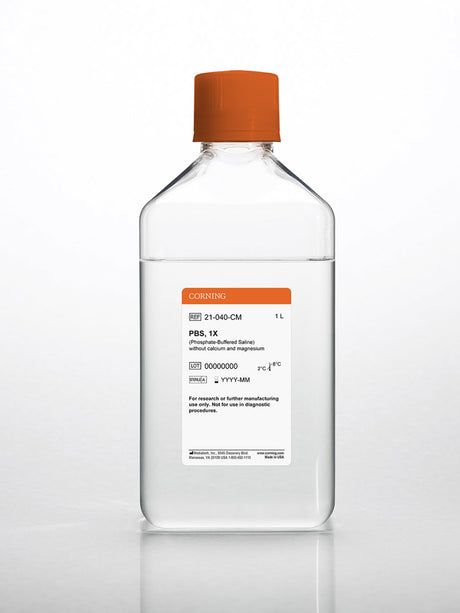
A collected sample is only valuable if its biological content remains suitable for analysis. In SARS-CoV-2 testing, this made stabilization an important part of saliva workflow design. Saliva testing can be highly practical, but its performance depends on how well the sample is preserved between collection and processing.
That is why saliva stabilization solutions became so relevant. In a good workflow, stabilization supports sample integrity during handling, transport, and short-term storage. It can also improve consistency in programs where processing is not immediate.
When evaluating saliva stabilization solutions, labs often consider:
- Ease of use during collection
- Compatibility with downstream diagnostic testing workflows
- Support for sample integrity during transport
- Fit with lab processing timelines
- Contribution to consistent detection sensitivity
A strong stabilization strategy helps saliva become not just a convenient specimen, but also a dependable one.
Detection sensitivity and real-world workflow balance
Every lab wants strong detection sensitivity, but practical testing programs also require workflow realism. The most effective system is often the one that balances analytical performance with collection quality, participant usability, transport consistency, and lab efficiency.
This is why evaluating specimen types should never be reduced to a single-factor comparison. A specimen that performs well analytically but is difficult to scale may be less useful in some settings than a slightly more accessible option with strong operational advantages. In many programs, the best results come from matching the specimen type to its intended use.
For example:
- A professionally collected nasopharyngeal swab may suit highly controlled clinical environments
- A nasal swab may support broader routine collection programs
- Saliva testing may be especially useful where convenience, repeat access, and streamlined participation matter most
This kind of practical evaluation is exactly what made the topic so important in COVID-19 diagnostic testing.
How Astor Scientific fits into specimen collection workflows
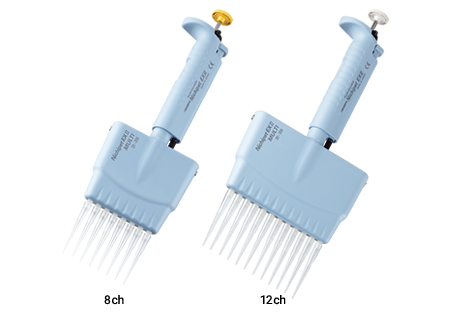
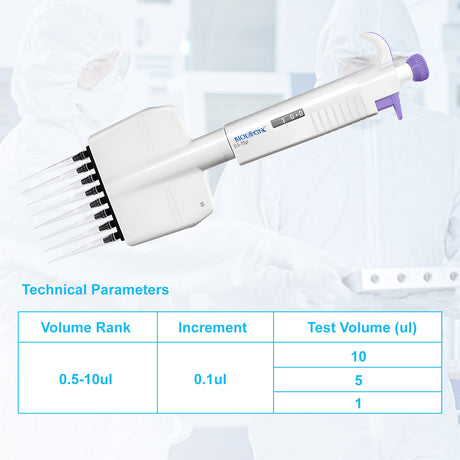
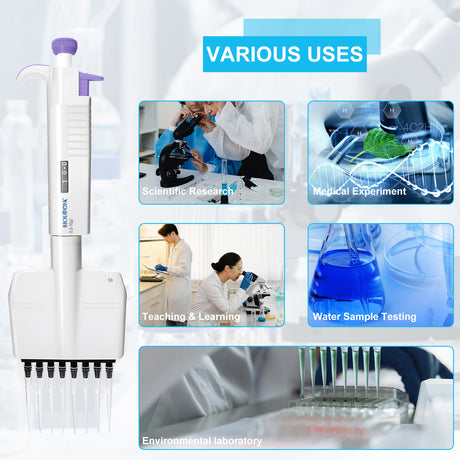
Astor Scientific aligns well with this topic because evaluating specimen types is not just about choosing a sample in isolation. It is also about building a connected collection and handling workflow. Laboratories need support for collection, clean consumables, liquid-handling tools, plasticware, and organized bench processes to keep testing operations efficient.
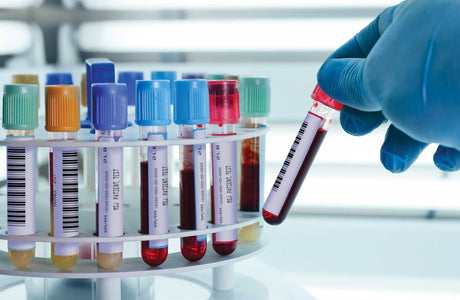
For teams working with collection programs, that broader support matters. Astor Scientific’s catalog includes medical sample collection categories such as urine, blood, faeces, and saliva or sputum, as well as lab essentials to streamline processing. For research labs, startup environments, and practical testing workflows, that kind of integrated sourcing can simplify operations and strengthen consistency.
Saliva stabilization solutions as part of future-ready testing
The discussion around saliva preservation also reflects a bigger trend in laboratory operations: testing systems perform better when they are designed for both science and usability. Saliva testing became more attractive not only because it is convenient, but also because stabilization solutions made it more workable within real lab timelines.
That future-ready mindset still matters. Whether the application is infectious disease screening, molecular workflow planning, or broader sample accessibility design, labs continue to benefit from specimen systems that are easy to collect, efficient to manage, and robust enough to support dependable diagnostic testing.
Conclusion:
The evaluation of specimen types for SARS-CoV-2 testing helped laboratories think more carefully about the relationship between sample accessibility and analytical performance. The nasopharyngeal swab, nasal swab, and saliva testing each contributed important strengths to the testing landscape, and their value often depended on the context in which they were used.
For many laboratories, saliva testing became especially compelling because of its comfort, convenience, and scalability. When paired with thoughtful stabilization strategies, it offered a practical path toward more flexible and efficient COVID-19 diagnostic testing workflows.