Choosing the right pipette can improve accuracy, support smoother workflows, and make everyday lab work more efficient. With so many laboratory pipettes available today, many labs want a simple way to choose the option that best fits their application.
The good news is that pipette selection becomes much easier when you focus on a few practical factors: sample type, volume range, workflow frequency, plate format, and user comfort. Once these are clear, it becomes easier to compare different pipette types and choose the best fit for your lab.
Why Pipette Selection Matters
Pipettes are one of the most important tools in the lab. The right choice can help improve repeatability, protect sample quality, reduce user fatigue, and support better results across many workflows. The wrong pipette can make work slower and less consistent, especially when handling difficult liquids, very small volumes, or large numbers of samples.
Choosing carefully helps with:
- Better accuracy and precision
- More efficient sample preparation
- Easier repetitive pipetting
- Improved comfort during daily use
- Better fit for specific assays and protocols
For labs building dependable workflows, selecting the right pipette is a smart investment in quality and efficiency.
Start With the Volume Range
One of the best first steps is to choose the smallest pipette that comfortably covers your target volume range. This helps support better control and accuracy.
For example:
- Low microliter work may need a micro-volume pipette
- Mid-range applications may need standard single-channel pipettes
- Larger transfer volumes may call for higher-capacity models
Using a pipette far above the intended working range can reduce performance. Matching the pipette range to the actual application usually yields stronger day-to-day results.
Understand the Main Pipette Types
There are several pipette types, and each serves a different purpose. The best choice depends on the liquid, the workflow, and the number of samples being handled.
Single-channel pipettes
Single-channel pipettes are commonly used for routine liquid transfer, reagent preparation, and general lab tasks. They are versatile, simple to use, and suitable for many standard workflows.
Multichannel pipettes
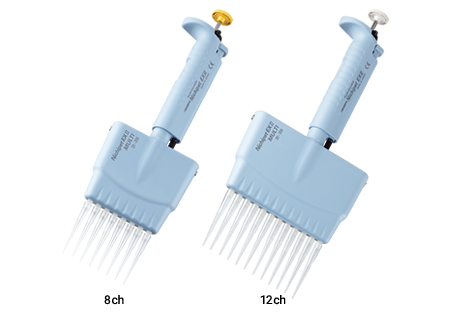
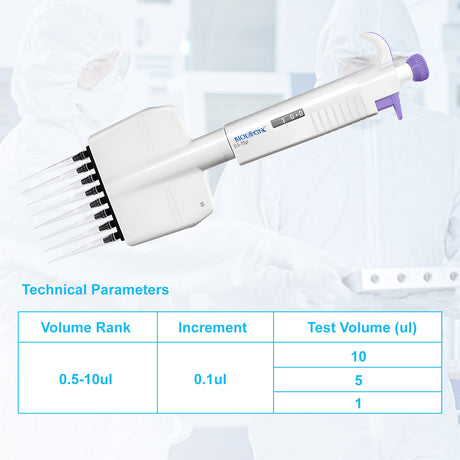
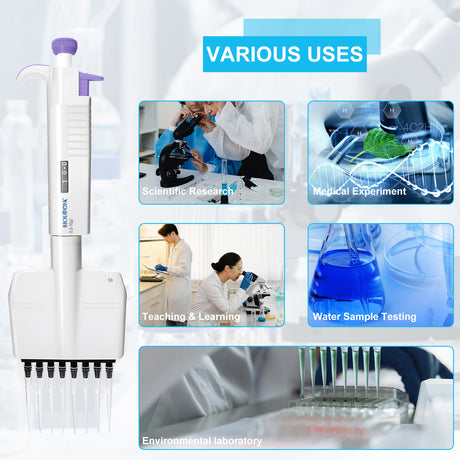
Multichannel pipettes are designed to transfer liquid into multiple wells simultaneously. They are especially useful for:
- PCR setup
- ELISA workflows
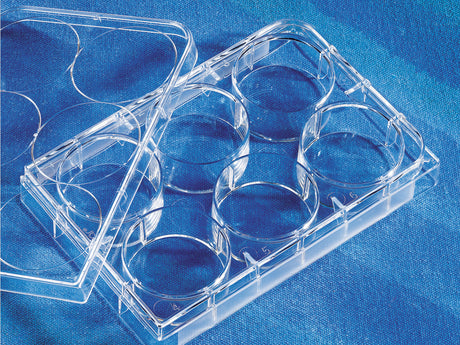
- Cell culture plate work
- High-throughput screening
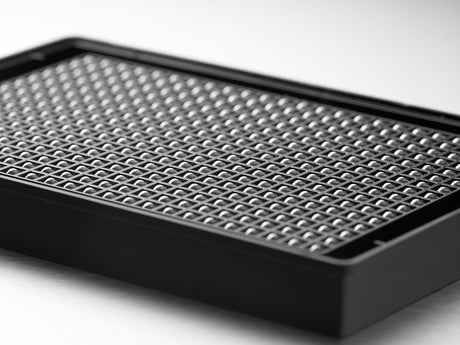
- 96-well and 384-well plate applications
For labs that work frequently with plates, multichannel models can save time and improve consistency across rows or columns.
Electronic pipettes
Electronic pipettes help reduce hand strain and improve consistency in repetitive tasks. They are often a strong choice for labs that handle large sample numbers or perform the same pipetting steps repeatedly.
They can be especially useful for:
- Repetitive dispensing
- High-throughput workflows
- Protocol standardization
- Users who want better ergonomic support
In many busy labs, electronic pipettes can support both comfort and productivity.
Air Displacement Pipette vs Positive Displacement Pipette
One of the most important decisions in pipette selection is understanding the difference between an air-displacement pipette and a positive-displacement pipette.
What is an air displacement pipette?
An air displacement pipette uses an air cushion between the piston and the liquid. This is the most common pipette type used in laboratories.
It is usually best for:
- Aqueous liquids
- Standard lab reagents
- General-purpose pipetting
- Routine daily workflows
For many applications, air displacement pipettes offer excellent performance and are the practical standard choice.
What is a positive displacement pipette?
A positive-displacement pipette places the piston in direct contact with the liquid, typically via a specialized disposable tip system. This design helps reduce the effect of liquid properties on pipetting accuracy.
It is often preferred for:
- Viscous liquids
- Volatile liquids
- Foaming liquids
- Dense samples
- Hot or cold liquids
- Hazardous or difficult samples
For challenging samples, positive displacement can offer greater control and stronger confidence in the transferred volume.
Air Displacement vs Positive Displacement Pipette Differences
Understanding the differences between air-displacement and positive-displacement pipettes makes pipette selection much easier.
Choose an air displacement pipette when:
- The sample is water-like
- The workflow is routine
- General accuracy and convenience are the priorities
- The lab needs a flexible everyday pipette
Choose a positive displacement pipette when:
- The liquid is viscous or sticky
- The sample is volatile
- Foam or density may affect aspiration
- The application needs stronger performance with challenging liquids
In simple terms, air displacement is often ideal for standard laboratory work, while positive displacement is better for difficult liquids that do not behave like water.
Match the Pipette to the Application
The easiest way to choose the right pipette is to think about the task at hand.
For routine laboratory work
For standard buffer transfer, reagent prep, and general sample handling, air displacement single-channel laboratory pipettes are often the best place to start.
For molecular biology and plate-based assays
When handling many wells at once, multichannel pipettes can improve speed and consistency. This is especially useful in PCR, qPCR, ELISA, and assay preparation workflows.
For viscous or difficult liquids
If the sample is thick, foamy, dense, or volatile, a positive-displacement pipette may provide more reliable performance than a standard air-displacement model.
For repetitive workflows
If the user performs the same liquid transfer steps all day, electronic pipettes can help reduce fatigue and improve consistency.
Think About Ergonomics and Daily Use
Pipette performance is not only about technical specifications. Comfort also matters. A pipette that feels balanced, easy to press, and comfortable to use for long periods can improve workflow quality and reduce strain. This becomes even more important in labs where users pipette for hours each day.
Features worth considering include:
- Comfortable grip
- Smooth plunger action
- Easy volume adjustment
- Clear display or markings
- Lightweight construction
- Compatibility with your preferred tips
For many teams, choosing ergonomic liquid handling tools helps improve both user satisfaction and overall consistency.
Consider Throughput Before You Buy
Another important factor is how many samples the lab handles in a typical day.
Low-throughput work
If the lab processes a small number of samples, a manual single-channel pipette is sufficient.
Moderate-throughput work
If the workflow includes repeated plate setup or frequent aliquoting, multichannel pipettes can improve efficiency.
High-throughput work
For high-volume repetitive tasks, electronic pipettes can provide stronger support by improving speed, reducing fatigue, and helping standardize technique.
The right pipette should match not only the liquid, but also the pace of the workflow.
Common Mistakes When Choosing a Pipette
A few common selection mistakes can reduce performance even when the pipette itself is high quality.
Watch out for these issues:
- Choosing a volume range that is too broad for the application
- Using an air displacement pipette for highly viscous or volatile liquids
- Overlooking ergonomics in repetitive workflows
- Buying single-channel models for plate-heavy work
- Ignoring compatibility with tips and accessories
- Selecting based only on price rather than workflow fit
A better match between application and instrument usually leads to smoother, more dependable lab work.
Practical Examples
Example 1: General research lab
A lab that mainly handles buffers, diluted reagents, and standard sample prep may benefit most from air-displacement single-channel pipettes in the appropriate volume ranges.
Example 2: qPCR or ELISA workflow
A lab working with 96-well plates may improve efficiency with multichannel pipettes, especially when consistency across wells matters.
Example 3: Solvents or viscous samples
A lab handling thick or volatile liquids may achieve better results with a positive displacement pipette, as it is better suited to challenging fluid properties.
Example 4: Busy routine testing environment
A lab running repetitive protocols all day may prefer electronic pipettes to support comfort, speed, and reproducibility.
FAQs
How do I choose the right pipette for laboratory work?
Choose the right pipette based on your target volume range, liquid type, workflow frequency, assay format, and ergonomic needs. The best choice matches the actual application rather than using a single pipette for every task.
What is the difference between air displacement and positive displacement pipettes?
An air-displacement pipette uses an air cushion between the piston and the liquid, whereas a positive-displacement pipette places the piston in direct contact with the liquid. Positive displacement is often better for viscous, volatile, or difficult samples.
When should I use multichannel pipettes?
Use multichannel pipettes for microplate-based workflows, such as PCR, ELISA, cell culture, and other applications that require quickly and consistently filling multiple wells.
Are electronic pipettes worth it?
Electronic pipettes can be very useful in repetitive or high-throughput workflows, as they improve consistency and reduce hand strain.
What are the most common pipette types used in laboratories?
Common pipette types include single-channel, multichannel, air-displacement, positive-displacement, and electronic pipettes.
Conclusion:
Choosing the right pipette becomes much easier when you focus on your actual lab application. Start with the required volume range, then look at the liquid type, workflow frequency, plate format, and user comfort.For standard aqueous samples, an air-displacement pipette is often the right choice. For difficult liquids, a positive-displacement pipette may deliver better performance. If your lab handles many wells at once, multichannel pipettes can improve efficiency. For repetitive workflows, electronic pipettes can offer significant ergonomic and operational benefits.
For labs looking to build reliable workflows with high-quality consumables and dependable liquid-handling solutions, suppliers such as Astor Scientific can be part of that conversation. The best pipette is not simply the most advanced one. It is the one that matches your application, supports your team, and helps deliver consistent results every day.