Choosing between plastic and glass is a common decision in modern laboratories. Both materials are widely used, and each offers clear advantages depending on the application. The real question is not simply which is better overall, but which is better for lab use in a specific workflow: plasticware vs glassware.
In many labs, the answer depends on sample type, chemical compatibility, breakage risk, sterility needs, budget, and daily workload. Some workflows benefit from the convenience of laboratory plasticware, while others still rely on the durability and heat resistance of laboratory glassware.
Why This Comparison Matters
The materials used in a lab affect more than handling. They influence safety, contamination control, cleaning requirements, workflow speed, and overall operating cost.
That is why many labs carefully compare:
- Ease of use
- Chemical resistance
- Heat tolerance
- Risk of breakage
- Sterility options
- Reusability
- Cost and workflow efficiency
A better match between the material and the task helps support safer and more consistent lab performance.
What Is Laboratory Plasticware?
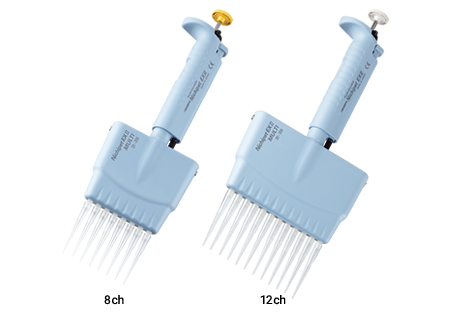
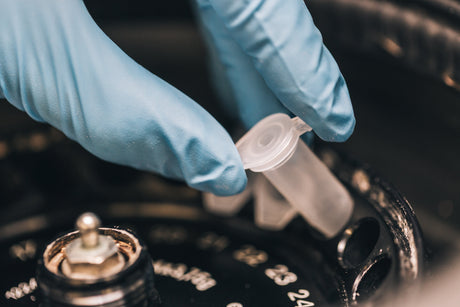
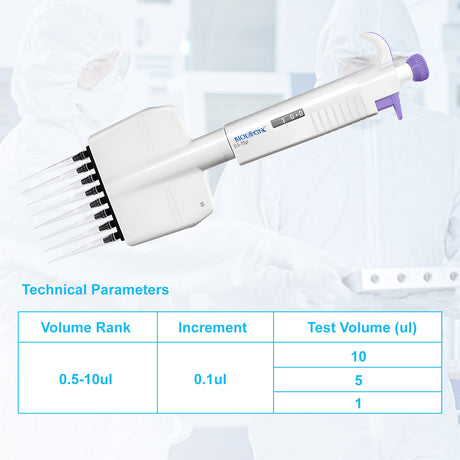
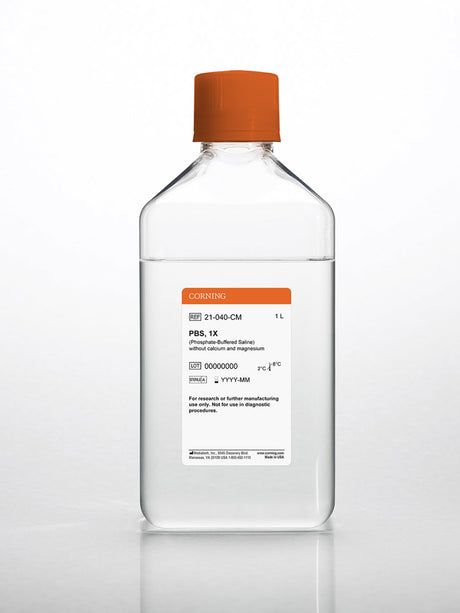
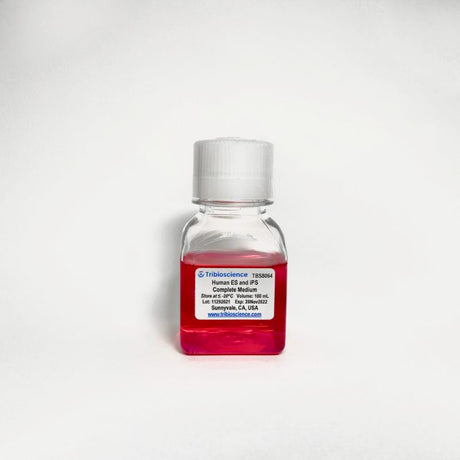
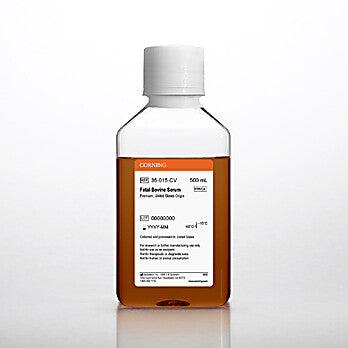
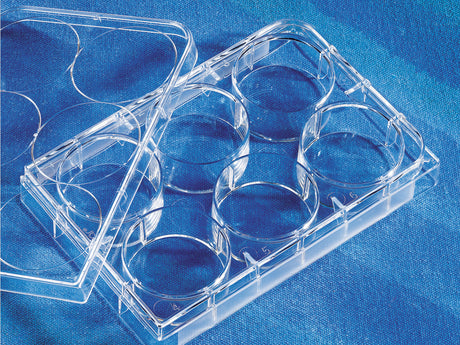
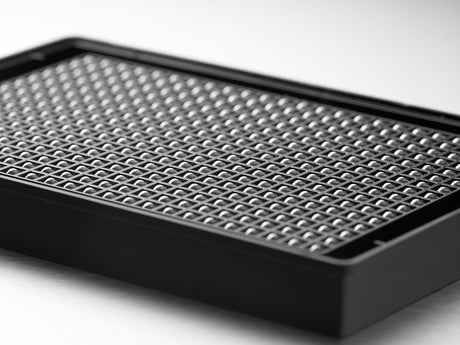
Laboratory plasticware includes plastic-based consumables and containers used in sample handling, storage, liquid transfer, culturing, and routine testing. Common examples include pipette tips, centrifuge tubes, plastic funnels, petri dishes, reagent bottles, and sample containers.
Many labs prefer lab plasticware for routine work because it is:
- Lightweight
- Easy to handle
- Often disposable
- Available in sterile formats
- Less likely to break than glass
These qualities make plasticware especially useful in fast-paced, high-throughput, and contamination-sensitive environments.
What Is Laboratory Glassware?
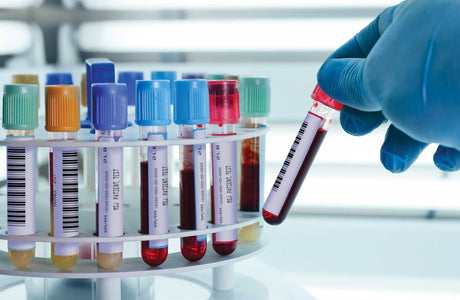
Laboratory glassware refers to traditional glassware used in laboratories, including beakers, flasks, measuring cylinders, test tubes, bottles, and volumetric glassware.
Glassware remains important in many laboratories because it can offer:
- High heat resistance
- Strong solvent compatibility in many applications
- Reusability over long periods
- Good visibility and clarity
- Reliable performance in analytical and chemistry workflows
For some procedures, especially those involving heating or specialized chemical work, glassware remains the preferred choice.
Plasticware vs Glassware: Core Differences
To understand plasticware vs glassware, it helps to compare them across the factors that matter most in real lab use.
1. Breakage and safety
One of the biggest advantages of plasticware is safety during handling. Plastic is much less likely to shatter when dropped, helping reduce accidents and product loss. Glassware, while durable in many conditions, can break more easily if mishandled. In busy labs, this can increase both safety concerns and replacement costs.
2. Weight and handling
Laboratory plasticware is lightweight and easy to move, store, and transport. This makes it a practical choice for routine workflows and large-volume use. Laboratory glassware is generally heavier. While this can provide a sturdy feel, it may also make handling less convenient in high-use environments.
3. Sterility and contamination control
Many plastic items are available as sterile, single-use products. This makes lab plasticware especially valuable in microbiology, molecular biology, diagnostics, and clinical workflows. Glassware can also be sterilized, but this usually requires washing, drying, and autoclaving. For labs focused on speed and contamination control, disposable plasticware often simplifies the process.
4. Heat resistance
Glassware is often the stronger option when high heat is involved. It is commonly used in procedures that require flame, oven drying, or exposure to elevated temperatures. Plasticware varies by material. Some plastics handle moderate heat well, but many are not suitable for high-temperature applications.
5. Chemical compatibility
Both plasticware and glassware offer chemical resistance, but performance depends on the specific substance and material type. Some chemicals may interact with certain plastics, while glass may be better suited to stronger solvents or demanding chemistry applications. This is why material compatibility should always be checked before use.
6. Cost and workflow efficiency
The cost of lab plasticware can be very attractive in routine settings, especially when the goal is convenience and fast turnaround. Disposable plastic items reduce the need for washing and sterilization, thereby saving time and labor. Glassware may cost more initially, but reusable pieces can provide long-term value if handled and maintained properly. In practice, the best value often depends on how often the item is used and how much time the lab spends on cleaning and replacement.
When Plasticware Is the Better Choice
There are many situations where laboratory plasticware is the more practical option.
Plasticware is often better for:
- Routine sample handling
- Sterile single-use workflows
- Molecular biology applications
- Diagnostics and clinical testing
- High-throughput environments
- Situations where breakage risk should be minimized
- Fast-paced labs that want easier cleanup and less washing
For example, pipette tips, centrifuge tubes, petri dishes, and plastic funnels are commonly used because they improve convenience and reduce handling risks.
When Glassware Is the Better Choice
Laboratory glassware still has important advantages in many settings.
Glassware is often better for:
- High-temperature procedures
- Heating and boiling applications
- Certain chemical workflows
- Long-term reusable tools
- Precise volumetric measurements in some analytical tasks
- Procedures where material stability is especially important
In chemistry and analytical labs, glassware remains essential for its strength under heat and its dependable performance in more demanding conditions.
When to Use Plasticware vs Glassware in Laboratory Work
The easiest way to decide is to look at the task's purpose.
Use plasticware when:
- You need convenience and speed
- Sterility matters
- Single-use products are preferred
- The workflow is biological or diagnostic
- You want to reduce breakage risk
- High-volume routine work is involved
Use glassware when:
- Heat is required
- The procedure involves harsh solvents or specialized chemistry
- Reusable equipment is preferred
- Analytical precision tools are needed
- The workflow benefits from repeated long-term use
This is the most practical answer to when to use plasticware vs glassware in laboratory workflows. The right choice depends on the task, not only on tradition or habit.
Cost of Lab Plasticware vs Glassware
The cost of lab plasticware is often viewed as a benefit because many items are affordable, easy to replace, and available in large quantities. This is especially useful for labs that prioritize workflow speed and disposable sterile handling.
However, cost should be viewed in context.
Plasticware cost considerations
- Lower replacement cost for many routine items
- Less labor is spent on washing and sterilization
- Easy inventory management for disposable consumables
- Ongoing repeat purchasing for single-use products
Glassware cost considerations
- Higher initial cost for some items
- Reusable over long periods if handled well
- Added labor and equipment costs for cleaning and sterilization
- Potential replacement expense if breakage occurs
For many labs, the decision comes down to whether they value long-term reuse or daily convenience more strongly.
Real-World Examples
Example 1: Molecular biology lab
A molecular biology lab often benefits more from lab plasticware because sterile pipette tips, microtubes, and disposable containers support contamination control and quick workflow turnover.
Example 2: Chemistry lab
A chemistry lab may rely more heavily on laboratory glassware because heating, solvent exposure, and repeated use are central to the workflow.
Example 3: Quality control lab
A quality control lab may use both. Plasticware may handle routine transfers and sample storage, while glassware may support measurement, mixing, or heating steps. This mixed approach is common because each material performs well in different situations.
Advantages of Using Both in the Same Lab
Many successful labs do not choose one material exclusively. Instead, they combine both based on the application.
This balanced approach can offer:
- Better workflow flexibility
- Improved cost management
- Safer routine handling
- Stronger support for specialized procedures
- Efficient matching of tools to tasks
Using plasticware and glassware together often creates the most practical and efficient laboratory setup.
FAQs
What is the difference between plasticware and glassware in laboratories?
Plasticware is lighter, less fragile, and often disposable, while glassware is usually more heat-resistant, reusable, and preferred in many chemistry-based workflows.
Is plasticware better than glassware for lab use?
Plasticware is better for many routine, sterile, and high-throughput tasks, while glassware is better for high-heat and certain chemical applications. The best choice depends on the workflow.
When should I use plasticware in a laboratory?
Use plasticware when you want lightweight handling, disposable sterility, lower breakage risk, and convenience in routine biological or diagnostic workflows.
When should I use glassware in a laboratory?
Use glassware when the procedure involves heating, the use of strong solvents, repeated long-term reuse, or analytical tasks that benefit from glass stability.
Is the cost of lab plasticware lower than that of glassware?
The cost of lab plasticware is often lower for routine disposable use, but total value depends on replacement frequency, sterilization needs, and how the lab uses each item over time.
Conclusion:
The comparison of plasticware vs glassware is not about choosing a universal winner. It is about selecting the right material for the right task. If your lab values lightweight handling, disposable sterility, lower breakage risk, and routine efficiency, laboratory plasticware is often the better choice. If your workflow depends on heat resistance, reusability, and specific chemical applications, laboratory glassware may be a better fit.
For labs building dependable systems with high-quality consumables and equipment, suppliers such as Astor Scientific naturally fit into that discussion. The right choice supports safer work, smoother processes, and better long-term efficiency.