In any molecular biology lab, success with PCR starts long before the thermocycler lid closes. It begins with the plasticware you choose. The right PCR pipette tips and PCR tubes support clean, consistent workflows that lead to clear bands, stable Ct values, and confident conclusions. Because PCR works with tiny volumes, highly active enzymes, and sensitive nucleic acids, every droplet, surface, and seal plays a role. Choosing well-designed PCR essentials—especially PCR pipette tips, PCR tubes, and related PCR Reagents—helps you build a workflow that feels smooth, predictable, and highly reproducible.
Why plasticware matters in PCR
PCR is remarkably powerful: it can amplify minute amounts of DNA into a signal that is easy to detect. That same power makes it very responsive to small details in technique and materials. With the right plasticware, your reactions are more likely to:
- Produce consistent amplification curves
- Show clear, easy-to-interpret bands or Ct values
- Match closely across replicates and runs
High-quality PCR pipette tips and PCR tubes are manufactured to support these goals with:
- Very low DNA, RNase, and DNase background
- Consistent wall thickness for uniform heat transfer
- Reliable, tight-fitting caps or seals to protect the reaction volume
- Chemically compatible polymers that work smoothly with PCR enzymes
When labs build their workflows around robust PCR essentials, troubleshooting time decreases, and day-to-day results feel much more dependable.
PCR pipette tips: precision at the microliter scale
Among all PCR consumables, PCR pipette tips are used the most—and they have a direct impact on accuracy, precision, and cleanliness. Every pipetting step is an opportunity to support high-quality data.
Filter vs non-filter tips
For PCR, filter tips are an excellent choice:
- A built-in barrier helps keep aerosols and droplets out of the pipette body.
- They are especially helpful when working with DNA templates, high-copy plasmids, or post-PCR products that you want to keep well controlled.
Using PCR pipette tips with filters supports clean workflows and helps maintain a low-contamination environment for current and future runs.
Pipette tips designed for low retention.
Low retention pipette tips have a specially treated inner surface that reduces how much liquid clings to the plastic. This is particularly valuable when you are:
- Handling viscous master mixes or additives
- Working with very small reaction volumes (for example, 5–10 µL)
- Using premium or limited reagents such as specialized polymerases or fluorescent probes
Key benefits of low retention tips include:
- More accurate delivery of small volumes
- Excellent reproducibility between replicates
For qPCR and other highly sensitive assays, combining low retention pipette tips with careful pipetting technique can noticeably tighten variation and improve confidence in your results.
Tip fit, calibration, and ergonomics
Beyond filters and retention, effective PCR tips should:
- Fit securely on your pipettes without requiring excessive force
- Form a clean, consistent seal to support accurate volume delivery
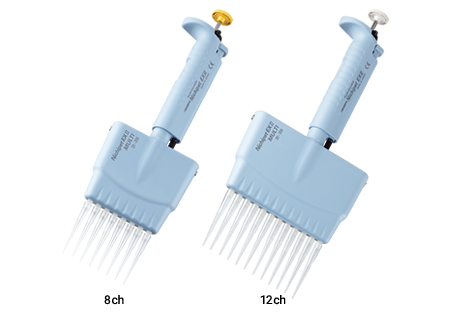
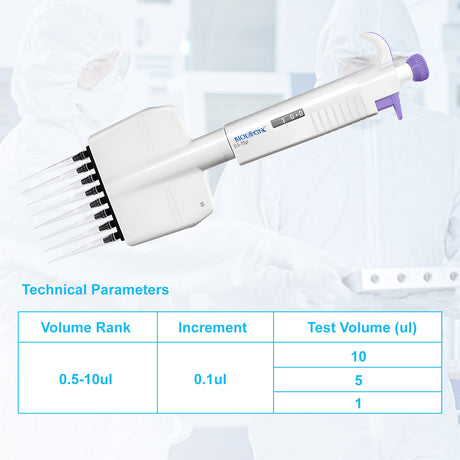
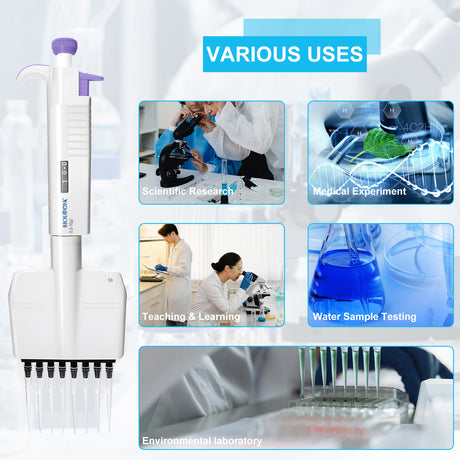
- Be compatible with multichannel pipettes for plate-based PCR work
Comfortable, well-fitting tips make it easier for staff to pipette smoothly, especially when preparing many reactions. This contributes directly to consistency across plates and experiments.
PCR tubes: small volume, big impact
Just as essential as tips, PCR tubes define the environment where each reaction takes place. Good tube design supports even heating, protected volumes, and clear data.
Tube material and design
High-quality PCR tubes are typically produced from virgin polypropylene that is:
- Thin-walled to encourage efficient heat transfer
- Chemically inert toward PCR reagents
- Manufactured to be free of PCR-relevant contaminants
Thin, uniform walls help ensure that all reactions in the block experience similar temperature profiles, supporting precise denaturation, annealing, and extension in the thermocycler.
Cap design and sealing
Maintaining reaction volume is important, especially for smaller reaction setups. Well-designed PCR tubes:
- Have caps that close smoothly and firmly
- Maintain an effective seal across many thermal cycles
- Work in harmony with your thermocycler’s heated lid and block design
For strip tubes and plates, high-quality optical caps or sealing films are especially useful in real-time PCR, where both sealing performance and optical clarity matter.
Individual tubes vs strips vs plates
Different formats support different throughputs:
- Individual 0.2 mL tubes are ideal for smaller experiments, pilot runs, and teaching settings.
- 8-tube strips with attached caps streamline medium-throughput workflows.
- 96-well PCR plates are perfect for high-throughput qPCR, genotyping, and screening applications.
The best choice depends on your project scale. In all formats, consistent tube quality and uniformity across wells are key to achieving closely aligned results.
Other PCR consumables that support reliable assays
Beyond PCR pipette tips and PCR tubes, a strong PCR essentials setup often includes:
- Reservoirs designed for multichannel pipetting of master mixes
- Adhesive or heat-sealing films tailored for PCR plates
- Tube racks compatible with ice or cold blocks for stable sample handling
- DNase/RNase-free microcentrifuge tubes for template preparation and storage
Together, these PCR consumables help maintain sample integrity from extraction through amplification, complementing the performance of your enzymes and thermocycler.
Best practices for using PCR plasticware
To get the most from your plasticware, combine high-quality products with consistently good practices:
1. Use dedicated PCR areas and tools
- Keep pre-PCR (template preparation, master mix setup) separate from post-PCR (product analysis).
- Dedicate PCR pipette tips, PCR tubes, and reagents to each area to support a controlled workflow.
2. Make filter tips your standard for PCR
- Especially when handling templates, amplified DNA, or positive controls.
- This simple habit supports long-term cleanliness in your pipetting systems.
3. Choose low retention pipette tips for small volumes
- Especially helpful in qPCR and assays with low copy number targets.
- Helps ensure each reaction receives the intended amount of template and master mix.
4. Use fresh tubes and caps for each setup
- Single-use PCR tubes and caps align with best practices for clean PCR experiments.
5. Match tubes and plates to your cycler
- Use PCR tubes and plates that are specified as compatible with your thermocycler block format and lid.
- This supports even heat transfer and reliable sealing.
- Store plasticware thoughtfully
- Keep PCR consumables in clean, dry, dust-free storage.
- Protect tubes and tips from unnecessary UV exposure or harsh chemicals to preserve material quality.
Working with a reliable supplier like Astor Scientific for PCR essentials—including certified PCR pipette tips, PCR tubes, and related plasticware—helps ensure that each new box of consumables performs consistently, supporting stable, long-term workflows.
FAQs: PCR pipette tips, tubes, and plasticware
1. Do I really need filter tips for PCR?
For most PCR and qPCR applications, filter tips are strongly recommended. They help keep aerosols and droplets out of the pipette shaft, supporting clean, low-contamination workflows and protecting future experiments.
2. What’s the advantage of low retention pipette tips in PCR?
Low retention pipette tips reduce liquid sticking inside the tip. This improves volume accuracy and consistency, which is especially helpful for small-volume reactions and premium reagents. The result is often tighter replicated data and more confident quantification.
3. Are all PCR tubes interchangeable between thermocyclers?
Different thermocyclers can have slightly different block geometries and lid pressures. For best results, choose PCR tubes and plates that are listed as compatible with your specific instrument so that sealing and heat transfer remain consistent.
4. Can plasticware quality really influence PCR performance?
Yes. Well-designed plasticware supports even heating, accurate pipetting, and clean reaction environments. Thoughtful choices in tubes, tips, and seals help your assays run smoothly and make it easier to achieve strong, consistent amplification.
5. How do I choose the right PCR consumables for my lab?
Consider your throughput, assay sensitivity, instrument type, and budget. For most labs, a strong combination looks like this: high-quality PCR pipette tips, low retention pipette tips for critical assays, validated PCR tubes or plates matched to the cycler, and reliable PCR consumables (seals, reservoirs, and storage tubes) sourced from a trusted partner such as Astor Scientific.
Conclusion
In PCR, success is built step by step—from pipetting to sealing to cycling. High-quality PCR pipette tips, low retention pipette tips, well-engineered PCR tubes, and carefully selected plasticware make your workflow more precise, more consistent, and easier to manage. By investing in dependable PCR consumables and combining them with solid lab practices, you turn a sensitive technique into a comfortable, everyday tool for diagnostics, genotyping, and molecular biology research. Partnering with experienced suppliers like Astor Scientific for your PCR plasticware gives every reaction a strong starting point—so the results you see truly showcase the strength of your science.