Cell banking is one of the most practical habits a lab can build early. When a team has a reliable process for freezing cells, it becomes much easier to protect valuable cultures, reduce restart time, and maintain continuity across experiments. Good cryostorage practices also help labs work more confidently, because they know important cell lines can be recovered when needed rather than rebuilt from scratch.
That is why cell cryopreservation matters so much in modern research workflows. Whether a lab is handling routine cell culture, preparing backup stocks for a startup program, or managing important study material for future assays, the quality of the freezing process directly affects recovery, viability, and long-term usability.
Why cryopreservation matters in everyday cell culture
In routine cell culture, cells are constantly changing. Passage numbers increase, contamination risks persist, and experimental drift can occur over time. Cryopreservation allows researchers to preserve healthier, earlier-stage stocks, enabling cultures to be restarted from a more controlled point.
A dependable freezing system helps with several important goals:
- It protects valuable cell lines from accidental loss
- It supports reproducibility across projects
- It reduces the risk of long-term culture drift
- It gives teams a backup plan during contamination events
- It saves time when new experiments need a fresh starting stock
This is why cryopreservation basics should be part of every lab's core training, not treated as a secondary skill. Freezing cells well is one of the most useful investments a lab can make in long-term workflow stability.
What happens during cell cryopreservation
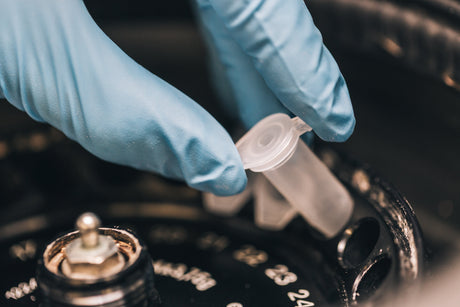
At a basic level, cell cryopreservation is the process of lowering the temperature in a controlled manner so cells can be stored for future recovery. The goal is not just to cool cells. The goal is to protect them from the damage that can happen during freezing and thawing. Without proper control, ice crystal formation, osmotic stress, and membrane injury can significantly reduce viability. These effects can disturb recovery after thawing and make cultures look weak, stressed, or inconsistent. That is why a good freezing cells protocol focuses on both the biological condition of the cells before freezing and the handling conditions during the freeze.
Cryopreservation also relates to cellular metabolism. Before cells enter frozen storage, their physiological state matters. Cells that are unhealthy, over-confluent, nutrient-stressed, or handled too aggressively often recover less well after thawing. In other words, healthier cells usually freeze better and come back stronger.
Start with healthy cells before freezing.
The quality of your frozen stock begins before any vial enters cold storage. One of the most common mistakes in freezing cells is assuming that any culture is ready to freeze at any time. In reality, successful cryopreservation starts with healthy, actively growing cells.
Before freezing, it helps to check a few basics:
- Cells should show good morphology for that line
- The culture should be free from visible contamination
- Cells should not be severely stressed or overgrown
- The passage history should be documented clearly
- Media and handling steps should be prepared in advance
This part is easy to overlook, but it has a major effect on recovery quality. A robust cryopreservation workflow is built on healthy input, not just on the correct storage temperature.
The role of cryoprotectants in freezing cells
Cryoprotectants are among the most important components of cell freezing. Their main purpose is to reduce freezing-related injury by helping limit damaging ice formation and osmotic stress.
When researchers talk about cryopreservation basics, cryoprotectants are always central because they help preserve membrane integrity and improve post-thaw viability. But their value depends on careful use. The cells should be exposed in a controlled, efficient manner, and the freezing workflow should be ready before the final suspension step.
A few practical points matter here:
- Prepare the freezing mixture in advance
- Work efficiently once cells are combined with cryoprotectants
- Label vials clearly before the final fill step
- Avoid unnecessary delays before controlled freezing begins
The exact formulation may vary by cell type and lab SOP, but the broader principle remains the same: cryoprotectants work best as part of a complete, organized process.
A practical freezing cells protocol for routine lab workflows
A good freezing cells protocol should be simple enough for consistency and detailed enough for reliability. The most effective protocols are not rushed. They are organized, repeatable, and easy for the team to follow.
A practical routine often looks like this:
1. Confirm cell health
Review morphology, growth state, and confluence before starting. Poor-quality cells usually give poor-quality frozen stocks.
2. Prepare all materials first
Have cryovials, labeling, media, cryoprotectant mixture, pipettes, tubes, and storage tools ready before cell harvest begins.
3. Harvest gently
Use handling steps that minimize unnecessary stress. In routine cell culture, rough pipetting or delayed processing can reduce viability before freezing even starts.
4. Count or estimate accurately
A consistent cell concentration helps create more reliable recovery after thawing.
5. Suspend cells in freezing medium
Mix carefully and evenly so the final suspension is uniform across vials.
6. Freeze at a controlled rate
Controlled cooling helps reduce intracellular ice damage and supports stronger post-thaw recovery.
7. Transfer to long-term storage properly
Once the controlled freezing phase is complete, move the vials to the appropriate long-term storage condition per lab protocol.
This step-by-step approach helps teams standardize performance and reduce variability across batches.
Why controlled handling matters as much as storage
Many labs focus heavily on where cells are stored, but handling during freezing is just as important. The time between harvest and freezing, the uniformity of the suspension, the consistency of aliquoting, and the speed of the workflow all influence how well cells survive.
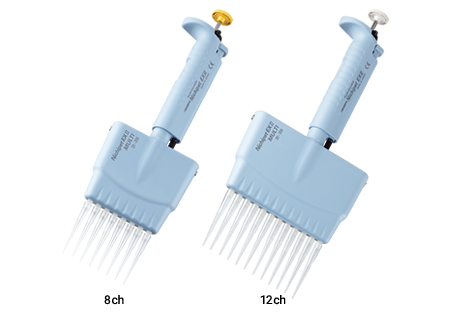
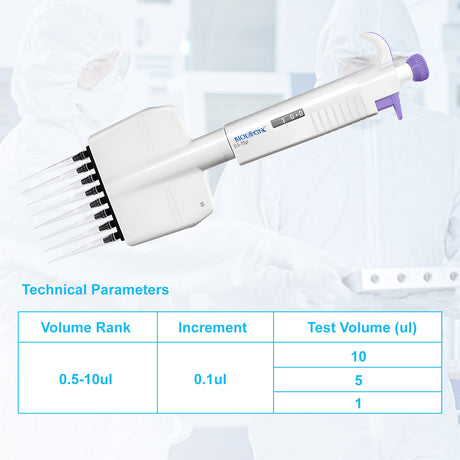
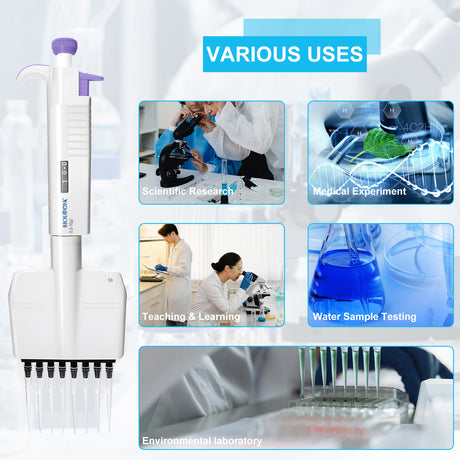
This is where bench-level tools matter more than people sometimes expect. Reliable pipettes, organized plasticware, appropriate tubes, and efficient bench setup all contribute to a smoother cryopreservation process. Astor Scientific's strength as a lab supplies marketplace fits well here, because successful freezing depends on having the right workflow support items in place, not just a single reagent.
For startup labs, especially, a practical setup can make a major difference:
- Good liquid handling supports consistency
- Clear labeling reduces future confusion
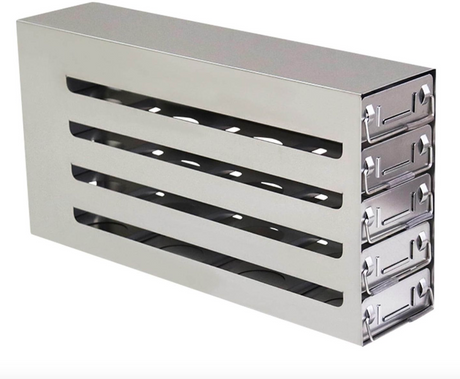
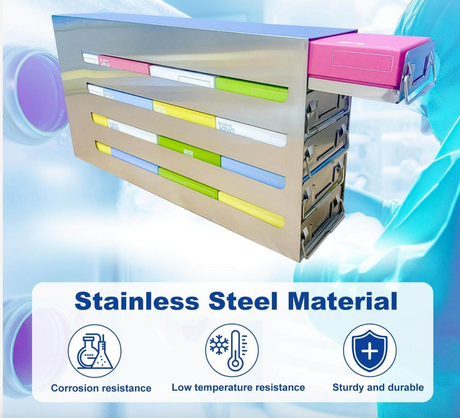
- Proper storage tools help protect sample identity
- Organized benches reduce time-sensitive mistakes
These details may seem small, but they often separate an average freezing workflow from a dependable one.
Cell metabolism, cellular metabolism, and freeze readiness
Researchers often focus on storage conditions, but cell metabolism and cellular metabolism before freezing also matter. Cells that are actively growing under stable conditions often recover better than cells that have been stressed by nutrient depletion, overcrowding, or excessive manipulation.
This does not mean cryopreservation must be complicated. It simply means that freeze timing should reflect the culture's biological state. If cells are already under pressure, freezing may lock in that poor condition and reduce post-thaw performance. That is why strong cryopreservation practice starts with strong culture management. Healthy growth conditions, stable media handling, careful passaging, and consistent observation all support better frozen stocks.
Common problems when freezing cells
Even experienced teams sometimes run into issues with freezing cells. The good news is that many of these problems are preventable once the workflow becomes more standardized.
Some common issues include:
- Low post-thaw viability
- Slow attachment after thawing
- Increased cell death in the first 24 hours
- Inconsistent recovery between vials
- Poor labeling or unclear sample history
- Loss of confidence in stored stocks
When these problems occur, it helps to review the full workflow rather than immediately blame a single step. Was the culture healthy before freezing? Were the cryoprotectants handled efficiently? Was the freeze controlled properly? Were cells moved into long-term storage on time? Small improvements across the process often yield better outcomes than a single dramatic change.
Best practices for cryopreservation in new laboratories
For newer labs and startup environments, standardized habits are especially valuable. A simple, repeatable system helps the team build confidence and keeps important samples protected from the start.
Some useful best practices include:
- Create a written freezing cells protocol that everyone follows
- Freeze backup stocks early instead of waiting for a crisis
- Keep records for passage number, date, and cell identity
- Use consistent labeling across all vials
- Train team members on both freezing and thawing workflows
- Review recovery performance so the process can improve over time
These habits turn cryopreservation basics into a durable lab capability rather than a one-time task.
How Astor Scientific supports a better cryopreservation workflow
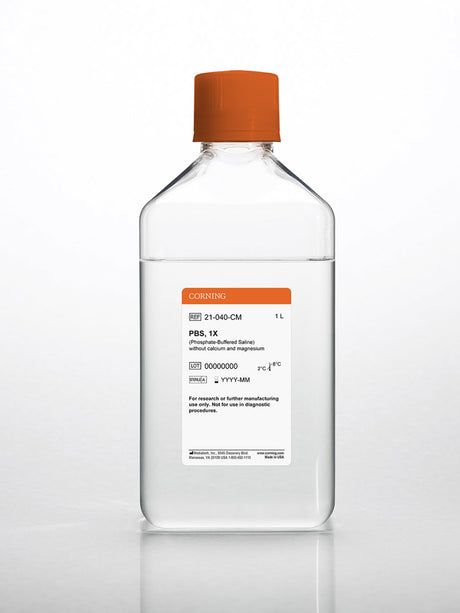
Astor Scientific is a strong fit for this topic because cryopreservation is not just about one freezing medium or one storage decision. It depends on a connected lab environment. Teams need the right Cell Biology Reagents, liquid-handling tools, plasticware, sample preparation support, and general workflow supplies to ensure consistent, efficient freezing routines.
That is especially important for startup and growing research labs, where procurement often needs to be practical and cost-aware. Astor Scientific's marketplace model supports this kind of buying approach by helping labs source across multiple categories that fit real bench work. For cryopreservation, that broader support can improve workflow readiness and reduce friction during day-to-day use.
Conclusion:
Reliable cell cryopreservation begins with healthy cultures, organized handling, and consistent protocols. When labs understand the role of cryoprotectants, respect the biological state of the cells, and follow a thoughtful freezing cells protocol, they put themselves in a much stronger position for future recovery and reproducible research.
The best approach is practical rather than complicated. Focus on healthy cells, controlled preparation, careful storage, and strong documentation. Over time, these habits make freezing cells feel like a smooth part of routine cell culture rather than a stressful interruption.