A strong ELISA Guide should do more than explain the basic workflow. It should help researchers understand how to build consistency into every stage of the assay, from plate setup to result interpretation. Whether you are new to immunoassays or refining an established workflow, the goal is the same: achieve dependable performance and make every ELISA assay easier to trust.
Introduction to ELISA: why consistency is everything
A practical Introduction to ELISA starts with one simple idea: ELISA is a sensitive and useful immunoassay method, but the quality of the result depends on how consistently the workflow is executed. Even when the chemistry is strong, variation in sample handling, washing, incubation timing, or plate setup can influence signal behavior.
That is why so many researchers look for an ELISA Guide that goes beyond theory and focuses on real bench performance. The assay may seem straightforward on paper, but dependable output requires attention to details such as pipetting accuracy, control placement, timing discipline, and careful handling of ELISA wells across the plate.
Build a strong ELISA workflow from the start.
Reliable results usually begin before the first reagent is added. A well-prepared bench setup can make the entire ELISA assay smoother and easier to manage.
A strong starting workflow often includes:
- Reviewing the protocol fully before beginning
- Preparing samples, reagents, and controls in advance
- Labeling plates and tubes clearly
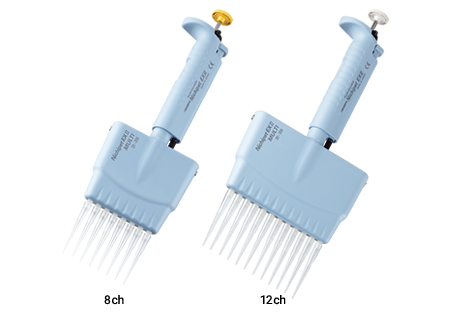
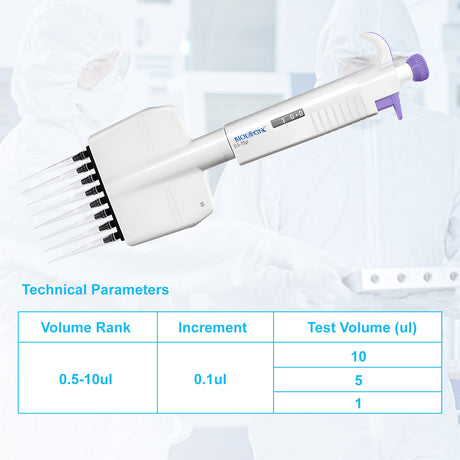
- Confirming pipettes are ready and appropriate for the assay volume
- Planning the plate map before touching the assay plate
These simple habits reduce hesitation during the run and help minimize avoidable ELISA Problems. They also make it easier for researchers to stay focused on the assay rather than scrambling for supplies midway through the procedure.
Why ELISA controls matter so much
One of the most important parts of any dependable assay is the use of proper ELISA controls. Controls help confirm that the assay is performing as expected and provide essential context for interpreting results.
Without strong controls, even a clean-looking plate can be difficult to trust. With well-placed ELISA controls, researchers gain a clearer view of assay consistency, background behavior, and the overall reliability of the run.
Common control-focused benefits include:
- Supporting confidence in the assay signal
- Helping identify unexpected assay drift
- Improving result interpretation
- Making ELISA troubleshooting more straightforward
- Strengthening day-to-day assay consistency
A useful mindset is to treat controls as part of the data story, not as an afterthought. They are among the most practical tools for achieving reliable performance over time.
Handle ELISA wells consistently and with care.
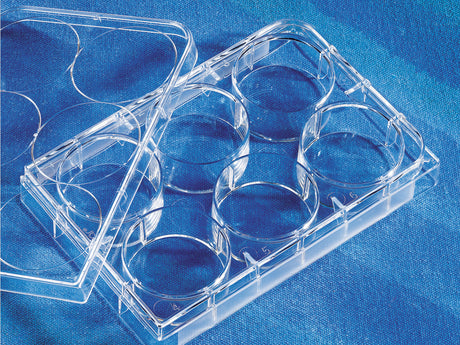
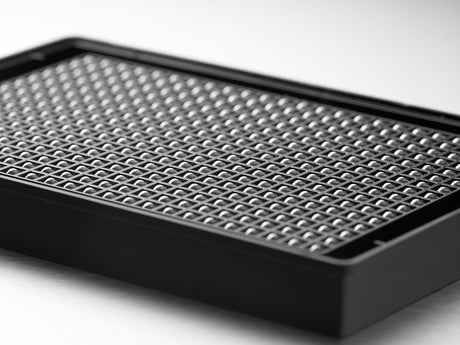
The condition and treatment of ELISA wells can strongly influence assay performance. Small differences in timing, pipetting angle, bubble formation, or washing technique can create variation that affects signal intensity and reproducibility.
To improve consistency across ELISA wells, it helps to:
- Add reagents in a steady and repeatable order
- Avoid splashing or introducing bubbles when dispensing
- Use consistent timing from row to row or column to column
- Wash thoroughly and evenly across the full plate
- Keep plate handling gentle and organized throughout the run
These habits may seem simple, but they play a major role in assay reliability. When wells are handled consistently, the plate behaves more predictably, and the results become easier to interpret with confidence.
Common ELISA Problems and what they often mean
Many ELISA Problems are not signs that the assay itself is unusable. More often, they are signals that one part of the workflow needs a closer look. That is actually encouraging, because it means the process can usually be improved with structured observation and a few practical adjustments.
Some of the most common ELISA Problems include:
- High background signal
- Weak or inconsistent standard curves
- Variation between replicates
- Edge effects on the plate
- Poor signal separation between samples
- Unexpected control behavior
When these issues appear, the best response is not to guess. It is to review the workflow step by step. Many apparent assay failures turn out to be manageable method details, such as washing, timing, reagent preparation, sample dilution, or plate handling.
ELISA troubleshooting that actually helps
Good ELISA troubleshooting works best when it is systematic rather than reactive. Instead of changing everything at once, it helps to examine the assay in logical parts.
A practical troubleshooting approach may include:
1. Review the controls first
Start with the ELISA controls. They often reveal whether the issue is broad or limited to specific samples.
2. Check pipetting consistency
Small volume differences can create noticeable changes in the signal. Consistent liquid handling is one of the most important foundations of a dependable assay.
3. Revisit wash steps
Many background and variability issues are linked to incomplete or inconsistent washing across ELISA wells.
4. Confirm reagent preparation
Freshness, mixing, preparation order, and timing can all influence assay behavior.
5. Look at the plate layout
An organized layout helps separate true assay patterns from handling-related variation.
6. Improve one variable at a time
The most useful ELISA Solutions usually come from targeted adjustments, not total workflow resets.
This methodical approach keeps troubleshooting productive and helps researchers improve performance without creating new confusion.
Practical ELISA solutions for more reliable results
The most effective ELISA Solutions are often simple, repeatable, and easy to build into the daily workflow. Reliability improves when the assay environment becomes more controlled.
Helpful improvements often include:
- Standardizing incubation timing across the plate
- Using a clear and repeatable plate map
- Improving washing consistency
- Verifying sample dilution strategy
- Organizing all reagents before the run begins
- Keeping bench movement smooth and efficient
These changes support better reproducibility and reduce the likelihood of recurring ELISA Problems. Over time, they also make the team more confident in both the process and the results.
Why lab setup matters in ELISA work
An ELISA plate is only one part of the system. The surrounding lab environment plays a major role in whether the workflow feels controlled or chaotic. Reliable pipettes, clean plasticware, organized reagent placement, and efficient bench flow all support stronger assay execution.
That is where Astor Scientific becomes especially relevant. Its catalog supports not only ELISA Kits but also the broader supply ecosystem for immunoassay work, including liquid-handling tools, plasticware, centrifuges, and general research supplies. For startups and growing laboratories, this connected sourcing can make it easier to build an efficient workflow from the first step to the final readout.
How to get reliable results every time
No assay can be completely separated from biology, matrix effects, or day-to-day variability. Still, the goal of a complete ELISA Guide is to help researchers build a consistently strong process. Reliability becomes much more achievable when a few core habits are in place.
Those habits include:
- Use clear ELISA controls in every meaningful run
- Treat ELISA wells consistently across the full plate
- Follow a stable timing and wash routine
- Keep troubleshooting structured and evidence-based
- Build repeatable preparation habits into every assay
- Support the workflow with dependable lab tools and supplies
These are not complicated ideas, but they are powerful ones. When applied consistently, they help transform ELISA from a sensitive method that can sometimes feel unpredictable into a dependable platform teams can use with confidence.
conclusion
A useful ELISA Guide should help researchers move beyond basic theory and toward repeatable success. Reliable results do not come from luck. They come from strong preparation, thoughtful use of ELISA controls, careful handling of ELISA wells, and a practical approach to ELISA troubleshooting.
When teams understand the most common ELISA Problems and apply targeted ELISA Solutions, the assay becomes easier to optimize and much more rewarding to use. Even small improvements in timing, washing, plate planning, and liquid handling can significantly improve data quality.