Choosing the right Cell Culture Media and supporting reagents can directly impact growth quality, reproducibility, and the overall success of your experiments. In many labs, researchers spend a lot of time optimizing cell culture techniques, but the foundation is often set much earlier through better product selection. If the media, supplements, and core reagents are not matched to the cell model and workflow, even a skilled team can run into slow growth, unstable results, or recurring cell culture problems.
For startups, academic labs, and research teams building efficient workflows, product choice should never be random. A strong Reagents Product Selection strategy helps researchers choose materials that support healthy cells, stable performance, and practical daily work. That means looking beyond a product label and asking how each item fits your specific application, cell culture conditions, incubator setup, assay goals, and long-term workflow.
Why product selection matters in cell culture
Cell culture is sensitive by nature. Small differences in media composition, reagent quality, temperature control, handling practice, and supplementation can influence growth rate, morphology, recovery, and experimental consistency. That is why Cell Culture Media should be selected with the biology in mind, not just the budget or the most familiar product name.
Media and reagents do more than keep cells alive. They help shape the environment that affects signaling, stress response, proliferation, and even cell metabolism. When product selection is done carefully, researchers often see smoother growth, better viability, and fewer troubleshooting delays. When it is rushed, labs may spend weeks trying to solve issues that stem from poor material selection.
Choosing the right Cell Culture Media
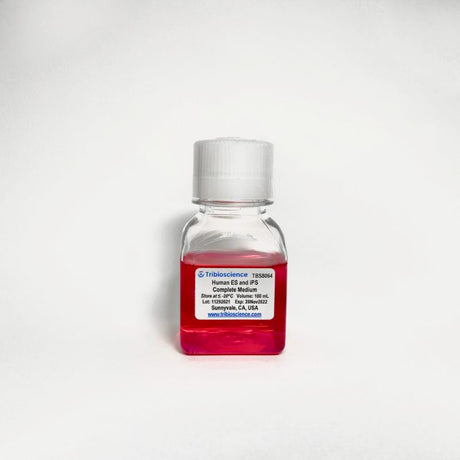
Cell Culture Media is the nutritional and chemical base that supports cell survival and growth. It provides the salts, amino acids, glucose, vitamins, and buffering components that allow cells to function under controlled conditions. But not every medium works equally well for every model.
A practical selection approach should consider:
- Growth characteristics of the target cell type
- Nutritional demand and expected proliferation rate
- Serum dependence or serum-free compatibility
- Sensitivity to pH and environmental changes
- Compatibility with downstream assays
For many labs, media choice also connects directly to workflow stability. If the media is not a good match, the team may see inconsistent attachment, slower doubling time, poor recovery after passing, or drifting morphology over time. These issues are often discussed as cell culture problems, but the root cause may lie in the formulation itself.
Reagents that shape culture performance
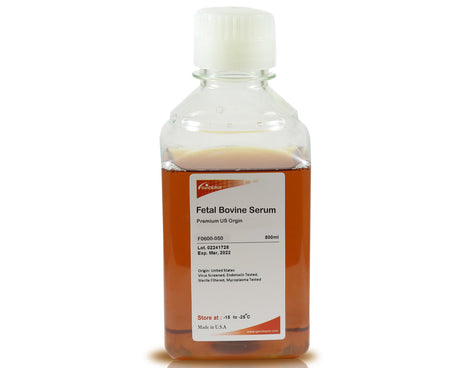
The media is only one part of the system. Supporting reagents also define the quality of the workflow. Depending on the application, researchers may need buffers, dissociation solutions, antibiotics, supplements, sera, and other Cell Biology Reagents to maintain stable, productive cultures.
The right Reagents Product Selection should consider both biology and routine handling. Some reagents are used at every passage, some are only needed during recovery or treatment phases, and some are added to support specific experimental outcomes.
Key reagent categories often include:
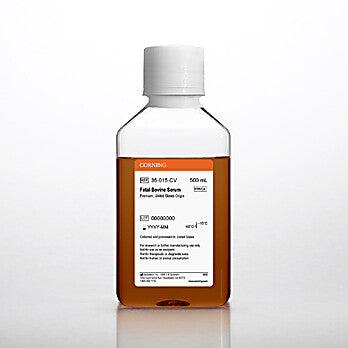
- Sera and growth supplements for routine support
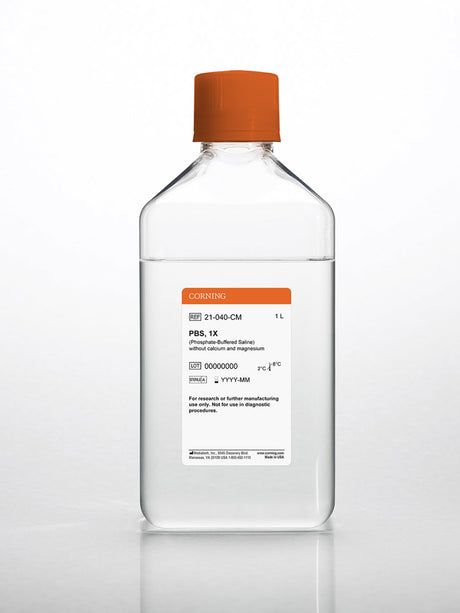
- Buffers for washing and handling
- Dissociation reagents for passaging adherent cells
- Antibiotics or antimycotic support where appropriate
- Specialized additives for sensitive or demanding models
A strong workflow does not necessarily require the most complicated reagent set. It requires the most appropriate one.
How the cell culture incubator affects media performance
Many researchers think about media and incubation as separate choices, but they are closely linked. A well-maintained cell culture incubator helps preserve the environmental balance that media is designed to support. Temperature consistency, humidity, and gas control all affect how stable the culture environment remains over time. If incubator conditions drift, researchers may notice changes in growth rate, evaporation patterns, pH behavior, or edge effects in plates. In that situation, the problem may appear to be media-related even though the real issue is equipment performance or environmental control.
That is why product selection should always be connected to usage conditions. In a real workflow, media quality and incubator stability work together. Astor Scientific’s broader laboratory catalog, including equipment and supporting consumables, aligns with this practical view of cell culture, as culture success depends on more than one product category.
Match product choice to real cell culture conditions
Good cell culture conditions are not created by the media alone. They come from a comprehensive culture environment, including vessel type, passing schedule, incubator consistency, sterile handling, liquid-handling accuracy, and sample workflow.
A few practical decisions can make a major difference:
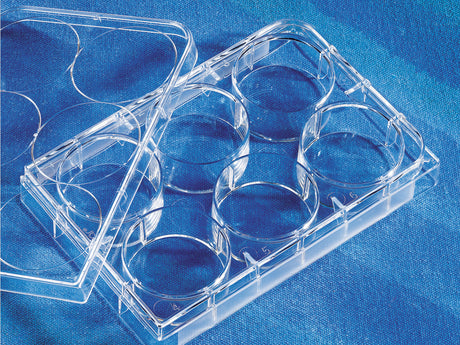
- Use plasticware suited to your culture format and scale
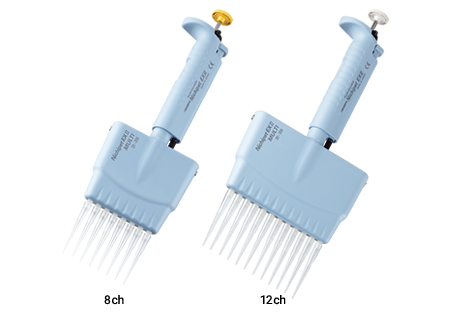
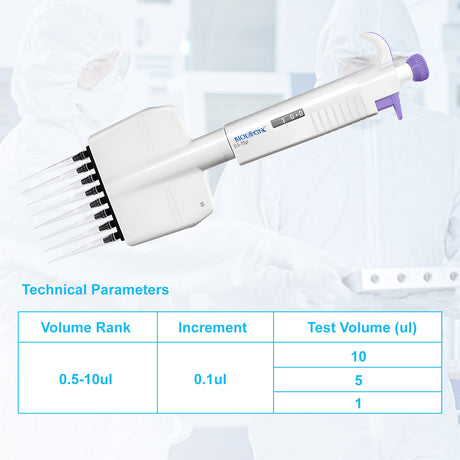
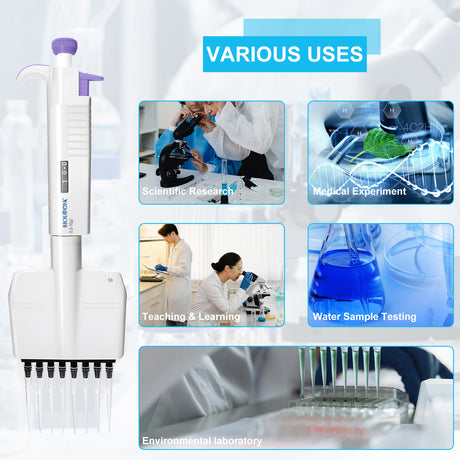
- Choose pipettes and liquid handling tools that improve precision
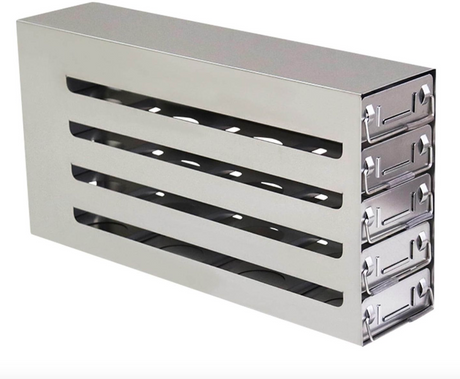
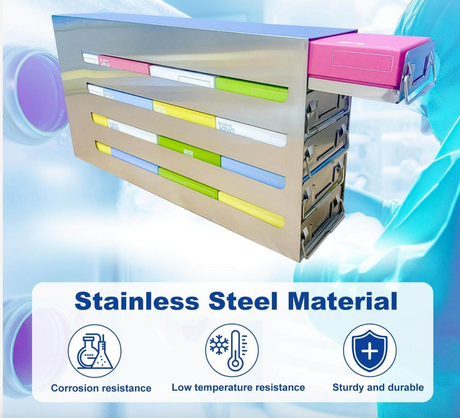
- Keep reagents organized and stored correctly
- Avoid repeated temperature shocks during handling
- Monitor cells regularly rather than relying only on endpoint results
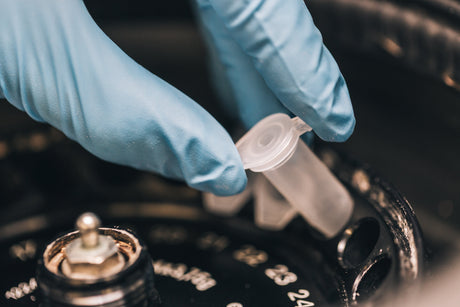
This is where Astor Scientific’s category mix is useful for labs looking for a smoother procurement process. Media and reagents are only part of the culture system. Plasticware, pipettes, centrifuges, and related support products also help determine whether the workflow feels efficient or frustrating.
Common cell culture problems linked to poor selection
Many recurring cell culture problems are not caused by one dramatic mistake. They often build gradually from poor alignment between the cells and the materials being used.
Some common warning signs include:
- Unexpectedly slow growth
- Weak attachment or poor spreading
- Frequent stress morphology
- Inconsistent recovery after passaging
- Assay variability between batches
- Repeated contamination concerns
When these issues appear, researchers often review the technique first, which makes sense. But it is equally important to revisit media suitability, supplement strategy, reagent freshness, plasticware compatibility, and environmental consistency. Troubleshooting becomes much easier when the lab treats product selection as part of scientific optimization rather than just inventory management.
Why cell metabolism should influence product decisions
Cell metabolism is an important but sometimes overlooked part of product selection. Different cell models use nutrients differently, respond to stress differently, and generate different byproducts in culture. These differences can affect how often media should be changed, how cells respond to crowding, and how stable the system remains over time.
This matters especially in research settings where metabolic behavior influences experimental readouts. If your study examines signaling, proliferation, toxicity, differentiation, or treatment response, then media composition and supplement choice may shape the biological context of the results.
A practical product selection framework for new labs
For teams building or refining a workflow, this simple framework can help:
1. Define the cell model clearly
Know whether the cells are robust, sensitive, primary, immortalized, adherent, or suspension-based.
2. Select media based on application
Choose Cell Culture Media that supports the intended growth and experimental outcome, not just general maintenance.
3. Review reagent compatibility
Make sure supplements, buffers, and passaging reagents are compatible with the cells and the handling routine.
4. Check the cultural environment
Confirm that the cell culture incubator, plasticware, and liquid-handling tools maintain stable conditions.
5. Anticipate troubleshooting
Build the workflow to reduce common cell culture problems before they occur.
6. Source around the full workflow
Use a supplier that supports not only reagents but also the everyday tools that help the workflow stay consistent.
How Astor Scientific fits into a smarter culture workflow
Astor Scientific is not just relevant because it offers products. It is relevant because its marketplace model supports practical laboratory purchasing. For labs trying to improve efficiency, that matters. A robust cell culture workflow often requires more than a single reagent order. It may involve Cell Biology Reagents, plasticware, liquid-handling tools, centrifuges, sample-preparation products, and other foundational items.
That is especially useful for startups and growing research labs that want better control over procurement costs without compromising workflow quality. Since Astor Scientific positions itself around helping labs compare and buy smarter, it fits naturally into a guide focused on selecting the right products from the start.
Conclusion:
The best cell culture workflows begin with better decisions before the experiment starts. Choosing the right Cell Culture Media, carefully selecting supportive reagents, and aligning those materials with your cell culture conditions can save a lab significant time and reduce avoidable frustration. A smart Reagents Product Selection process does not need to feel complicated. It simply needs to be thoughtful. When researchers connect product choice to biology, workflow, equipment, and real handling conditions, they give their cultures a stronger foundation.