Accurate sample collection starts before the sample is ever taken. In many research, diagnostic, and screening workflows, the steps that happen just before collection can influence sample quality, stability, and downstream results more than people expect. That is especially true when working with a saliva sample, where food, drink, oral products, and handling habits can all affect consistency.
Why pre-collection instructions matter
A strong collection process begins with clear preparation. When people understand what to do and what to avoid, the sample is more likely to reflect the intended biological material rather than short-term interference from recent eating, drinking, or handling.
This matters in many settings:
- Routine sample collection in research studies
- Saliva sample workflows for screening or monitoring
- Programs where RNA stabilization matters after collection
- Applications that depend on DNA stabilization for later analysis
- Workflows where consistent timing and handling improve reproducibility
In simple terms, better preparation leads to better samples. That means fewer avoidable issues, more dependable processing, and a more efficient experience for both staff and participants.
What should I avoid before sample collection?
When someone asks, what should I avoid before sample collection, the best answer is usually practical and easy to follow. The goal is to reduce anything that may dilute, contaminate, or temporarily alter the sample.
Before collection, it is often wise to avoid:
- Eating food shortly before collection
- Drinking beverages other than those allowed by the water guidance in the protocol
- Smoking or vaping
- Chewing gum or mints
- Using mouthwash right before a saliva sample
- Brushing teeth immediately before collection if the protocol advises against it
- Touching the inside of the collection device or container
- Delaying transfer or stabilization once the sample is collected
These sample collection precautions help protect the integrity of the specimen and improve workflow consistency. Exact timing can vary by protocol, but the general principle is clear: keep the sample environment as clean and undisturbed as possible.
Before saliva sample collection, keep it simple.
The phrase before saliva sample collection is especially important because saliva is highly sensitive to recent behavior. A saliva sample can be affected by leftover food particles, beverages, oral care products, and even small changes in mouth condition. That does not mean saliva is difficult to work with. In fact, saliva collection is often convenient and user-friendly. It performs best when preparation instructions are clear.
A practical routine before saliva collection often includes:
- Following the timing instructions provided by the lab or kit
- Avoiding food and flavored drinks for the recommended period
- Avoiding smoking, gum, and candy before collection
- Waiting after oral hygiene activities, if instructed by the protocol
- Staying calm and following the collection steps in order
These saliva collection guidelines are not meant to complicate the process. They are meant to make the sample more useful for the lab and more reliable for downstream work.
Why saliva sample quality matters so much
A high-quality saliva sample is easier to process and more likely to support dependable analytical performance. If the sample is diluted, contaminated, or collected inconsistently, the workflow may become less efficient, and the lab may need additional troubleshooting. This becomes even more important in workflows involving preservation. When samples are collected for later nucleic acid analysis, sample quality and timing can influence the effectiveness of RNA and DNA stabilization steps within the broader workflow. Stabilization solutions can do a great deal to protect the target material, but they work best when the original sample is collected correctly and handled promptly. That is why clear pre-collection instructions are such a valuable part of any collection program. They support the work of stabilization chemistry rather than forcing it to compensate for avoidable handling issues.
Sample collection precautions that improve consistency
Some of the best sample collection precautions are surprisingly simple. In both small research labs and larger collection programs, consistency often improves when teams focus on repeatable habits rather than complicated instructions.
Helpful precautions include:
- Use clear written instructions for participants or staff
- Label containers before starting the collection process
- Keep collection materials clean and organized
- Follow timing recommendations closely
- Use the correct collection device for the protocol
- Stabilize or transfer the sample promptly when required
These steps support a more efficient workflow and reduce avoidable variation. For new labs and startup programs, this kind of clarity is especially useful because it builds confidence from the beginning.
How RNA stabilization and DNA stabilization fit into the workflow
Preservation matters when samples are not processed immediately. In many molecular and research applications, RNA stabilization and DNA stabilization help protect valuable target material during storage, transport, or delayed analysis. But preservation should be viewed as part of a complete collection strategy, not as a substitute for good preparation.
A strong workflow usually has three parts:
- Good participant or operator preparation before collection
- Clean and correct the sample collection technique
- Timely stabilization, transfer, or storage according to protocol
When these three elements work together, labs often see smoother processing and more dependable outcomes. This is one reason supplier choice matters. Astor Scientific’s broader research and collection-support catalog makes sense for labs that want to build efficient systems around both collection and downstream handling rather than treating them as separate tasks.
Common mistakes to avoid before sample collection
The most useful guidance is often the most practical. Many avoidable collection issues come from small actions that seem harmless at the moment.
Common examples include:
- Snacking just before giving a saliva sample
- Drinking coffee, juice, or soft drinks too close to collection time
- Using oral products without checking the protocol first
- Opening collection materials too early
- Forgetting to label the container in advance
- Waiting too long before the next preservation or handoff step
These are easy mistakes to avoid once a workflow is clearly explained. That is why the question of what I should avoid before sample collection is so valuable. It encourages people to think about preparation before the process begins, which usually leads to better sample quality.
Building a better collection workflow in new laboratories
For startups, academic labs, and small diagnostic teams, collection quality is often shaped by workflow design as much as by technical skill. A well-organized process makes it easier to form good habits.
That may include:
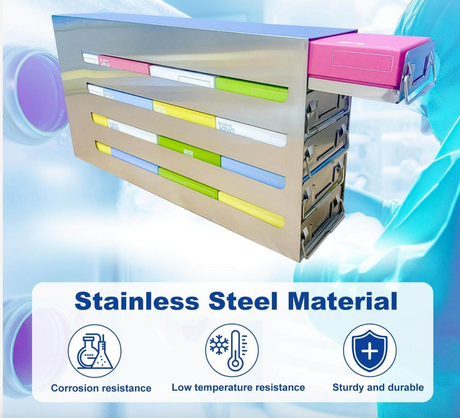
- Dedicated storage for collection devices and tubes
- Clear labeling systems
- Easy-to-read instruction sheets
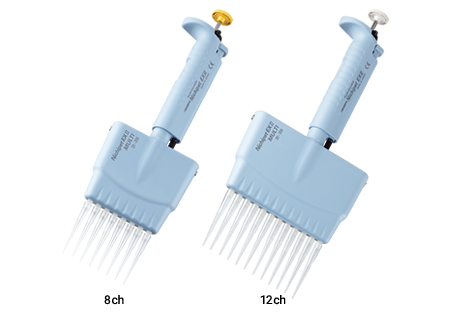
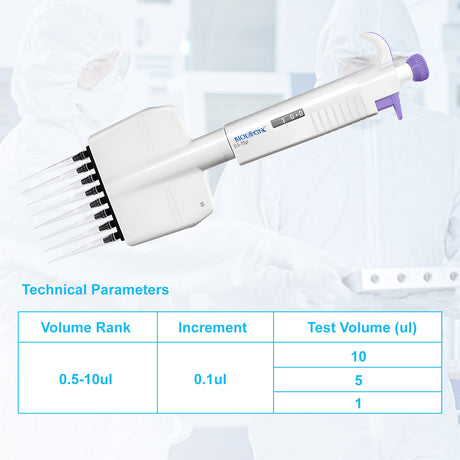
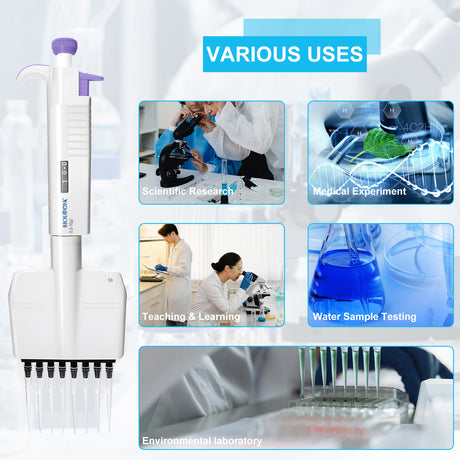
- Reliable pipettes and transfer tools were needed
- Organized sample handling benches
- Consistent staff training across collection steps
Astor Scientific aligns well with this operational side of the topic because the brand supports practical laboratory purchasing across sample collection, plasticware, liquid handling, and general lab essentials. For teams trying to improve consistency without making the workflow overly complicated, that kind of support is genuinely useful.
Saliva collection guidelines for smoother results
If your workflow depends on saliva, the best guidelines are usually simple, repeatable, and easy to communicate. Participants and staff should be able to understand and follow instructions quickly and confidently.
A strong saliva workflow usually benefits from:
- Clear pre-collection timing instructions
- A clean, ready-to-use collection device
- Minimal distraction during collection
- Prompt transfer or stabilization after the sample is obtained
- Good documentation for each collected specimen
These steps help the process feel more professional and more predictable. Over time, that consistency supports stronger lab performance and smoother downstream handling.
Conclusion:
The answer to what I should avoid before sample collection is protecting sample quality through simple, practical preparation. Whether the workflow involves general sample collection, saliva samples, or protocols that depend on RNA or DNA stabilization, the same idea applies: cleaner preparation leads to better results.
Avoiding food, drinks, smoking, gum, certain oral products, and careless handling before collection can make a meaningful difference. Just as importantly, good documentation, organized materials, and clear timing instructions help the entire workflow run more smoothly.