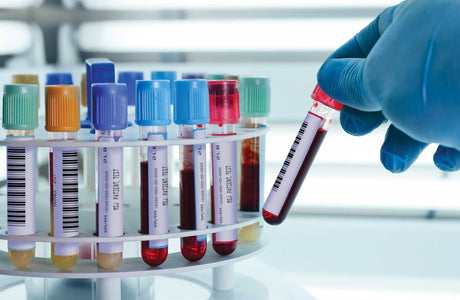
Transport swabs and viral transport medium play a critical role in modern diagnostic testing, molecular biology, clinical laboratory testing, viral sample collection, and research workflows. When a specimen is collected from the nose, throat, lesion, wound, saliva pathway, or another clinical site, the sample must remain stable from collection to testing. That stability depends on the right swab, the right transport medium, correct storage, proper labeling, and timely specimen transport.
Viral transport medium, often called VTM, is a specialized liquid medium used to preserve viral specimens during transportation to the laboratory. Transport swabs collect the specimen and transfer biological material into a tube, medium, or dry sterile container, depending on the test method. Together, these tools help protect sample integrity, support PCR testing, enable viral detection, and improve confidence in diagnostic results.
For diagnostic laboratories, academic laboratories, biotechnology companies, clinical research organizations, pharmaceutical labs, universities, and research institutions, choosing the right swab and transport medium is not only a procurement decision. It is a quality-control decision that supports scientific excellence, research accuracy, laboratory safety, and efficient testing workflows.
What Are Transport Swabs?
Transport swabs are sterile collection tools used to obtain biological material from a clinical or research sample site and transport it to the laboratory. A swab usually includes a shaft and a collection tip made from material such as flocked nylon, polyester, foam, rayon, or another synthetic fiber. The collected material may include cells, mucus, secretions, viral particles, bacterial organisms, DNA, RNA, proteins, or other analytes.
Transport swabs are used in many workflows, including:
- Viral sample collection
- Respiratory testing
- Throat and nasal specimen collection
- Wound and lesion sampling
- PCR and RT-PCR testing
- Enterovirus detection
- Adenovirus detection
- Influenza testing
- Molecular biology research
- Diagnostic testing
- Microbiology workflows
- Clinical laboratory testing
The best swab is the one that collects enough sample, releases it efficiently into the medium or assay system, does not inhibit PCR, and maintains sample quality during transport.
What Is Viral Transport Medium?
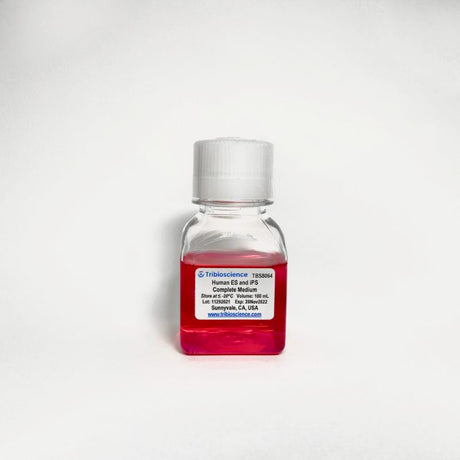
Viral transport medium is a liquid solution used to preserve viral specimens after collection. It helps maintain the stability of viruses, viral nucleic acids, or viral antigens until the specimen reaches the laboratory.
A typical VTM may include a buffered salt solution, protein stabilizers, pH indicators, antimicrobial agents, and other components designed to protect viral integrity while reducing bacterial or fungal overgrowth. The exact formulation varies by manufacturer and intended use.
VTM is commonly used for:
- Respiratory virus sample collection
- Nasopharyngeal and/or oropharyngeal swabs
- Nasal swabs
- Viral culture workflows
- PCR and RT-PCR testing
- Influenza detection
- Enterovirus detection
- Adenovirus detection
- Viral surveillance
- Diagnostic laboratory transport
- Research sample preservation
VTM supports laboratory success by protecting sample stability during the pre-analytical phase, which includes collection, labeling, storage, and transport before testing begins.
Transport Swabs vs Viral Transport Medium: What Is the Difference?
A transport swab is the collection device. Viral transport medium is the liquid environment that helps preserve the specimen after collection. In many viral testing workflows, the swab is used to collect the sample and then placed into a tube containing VTM.
|
Feature |
Transport Swab |
Viral Transport Medium |
|
Main role |
Collects specimen from sample site |
Preserves specimen during transport |
|
Form |
Swab tip and shaft |
Liquid medium in tube |
|
Used for |
Sampling nose, throat, lesion, wound, or other sites |
Stabilizing viral particles or nucleic acids |
|
Key requirement |
Good sample collection and release |
Sample stability and assay compatibility |
|
PCR concern |
Medium should not interfere with assay |
|
|
Common pairing |
Flocked synthetic swab |
VTM tube or universal transport medium |
|
Procurement focus |
Tip material, shaft type, sterility, break point |
Formulation, volume, stability, validation, storage |
How Viral Transport Medium Works
Viral transport medium works by creating a stable environment for the specimen. After the swab collects viral material, the swab tip is placed into the VTM tube. The medium helps maintain pH balance, reduces sample degradation, and protects viral material during transport to the laboratory.
For molecular testing, the goal is often to preserve viral RNA or DNA so PCR or RT-PCR testing can detect the target accurately. For viral culture, the goal may include maintaining viral viability. These goals are related but not identical, so the correct transport medium depends on the intended test.
For example, a non-inactivated VTM may be suitable when viral viability is needed for culture. An inactivating transport medium may be useful when nucleic acid preservation and operator safety are priorities, but it may not be suitable for viral culture. Labs should always match the medium to the test method.
Common Types of Swabs Used for Viral Sample Collection
Flocked Nylon Swabs
Flocked swabs have short perpendicular fibers that help collect and release specimens efficiently. They are commonly used in respiratory virus testing and molecular diagnostics because they can improve sample release into the transport medium.
Polyester Swabs
Polyester swabs are synthetic swabs often used in clinical specimen collection. They are generally preferred over cotton or wooden-shaft swabs for many viral and PCR workflows.
Foam Swabs
Foam swabs can be useful for certain collection sites and applications. They may provide comfortable sampling and good absorption, depending on the workflow.
Rayon Swabs
Rayon swabs are used in some specimen collection workflows, but compatibility should be checked with the test method and transport medium.
Calcium Alginate or Wooden-Shaft Swabs
These are generally avoided in many viral PCR workflows because certain materials may interfere with viral recovery or molecular testing. Laboratories should follow manufacturer instructions and validated protocols.
Viral Transport Medium vs Universal Transport Medium
Viral transport medium is mainly designed for viral specimens. Universal transport medium, often called UTM, may be formulated to support viruses and some other organisms, depending on the product. The terms are sometimes used casually, but they should not be treated as identical unless the product specifications confirm compatibility.
|
Medium Type |
Common Use |
Key Consideration |
|
VTM |
Viral specimen transport |
Viral stability, PCR or culture compatibility |
|
UTM |
Broader microbial transport depending on product |
Confirm target organism compatibility |
|
Inactivation medium |
Nucleic acid testing with pathogen inactivation |
Usually not for culture |
|
Dry swab |
Some PCR workflows |
Must be validated by receiving lab |
|
Saline or alternative medium |
Emergency or validated use cases |
Requires method validation |
Dry Swabs for PCR Virus Testing
Dry swabs are swabs transported without a liquid medium. They may be acceptable for some PCR virus testing workflows when the receiving laboratory has validated the method. Dry swabs can reduce liquid handling, leakage risk, shipping complexity, and supply pressure during high-demand testing periods.
However, dry swabs are not universally accepted. Their performance depends on the virus, swab type, time to testing, temperature, assay design, and extraction method. For this reason, laboratories should confirm acceptance criteria before collecting or submitting dry swab specimens.
Dry swabs may be useful when:
- The test is PCR-based and validated for dry swabs
- The receiving lab accepts dry swab specimens
- Transport time is controlled
- The swab material is compatible with molecular testing
- The workflow prioritizes nucleic acid detection rather than viral culture
VTM is often preferred when viral stability, transport consistency, or culture compatibility is required.
Specimen Transport Conditions for Virus Detection
Specimen transport conditions can strongly influence virus detection quality. The best conditions depend on the virus, specimen type, transport medium, laboratory protocol, and test method.
Important transport factors include:
- Time between collection and testing
- Storage temperature
- Tube integrity
- Swab and medium compatibility
- Sample volume
- Leakproof packaging
- Biosafety requirements
- Chain of custody
- Clear labeling
- Cold chain availability
- Assay validation
Many viral specimens are transported refrigerated, especially when delays are expected. Some validated transport systems may allow ambient storage for defined periods, especially for nucleic acid testing. Labs should always follow the test manufacturer’s instructions, institutional SOPs, and receiving laboratory requirements.
Viral Transport Medium for PCR Testing
PCR and RT-PCR testing rely on the detection of genetic material. For RNA viruses, sample integrity is especially important because RNA can degrade. VTM helps protect the specimen during transport so the laboratory can extract and amplify the target nucleic acid.
For PCR workflows, labs should evaluate:
- RNase/DNase control
- PCR inhibitor risk
- Swab material compatibility
- Transport medium formulation
- Extraction kit compatibility
- Sample volume
- Storage temperature
- Time to processing
- Biosafety needs
- Automation compatibility
A well-selected transport system supports accurate molecular biology workflows, reliable diagnostic testing, and efficient laboratory throughput.
Enterovirus and Adenovirus Detection
Enterovirus detection and adenovirus detection may use molecular testing, culture, antigen detection, or other laboratory methods, depending on the clinical or research context. Sample quality is essential because viral load, collection site, specimen type, and transport conditions can influence detection.
For enterovirus detection, specimens may include throat swabs, stool specimens, rectal swabs, cerebrospinal fluid, or other samples, depending on the suspected condition and test protocol. For adenovirus detection, respiratory swabs, conjunctival swabs, stool, urine, or tissue may be used depending on the clinical presentation and laboratory method. For both viruses, laboratories should match the sample type and transport method to the assay. A swab and medium that work for one test may not be validated for another.
Viral Sample Collection Workflow
A reliable viral sample collection workflow should be clear, consistent, and validated.
Step-by-Step Process
- Confirm the test requested and the accepted specimen type.
- Select the correct swab and transport medium.
- Check expiration date, sterility, and packaging integrity.
- Wear appropriate PPE and follow laboratory safety procedures.
- Collect the specimen using the approved method.
- Place the swab into the transport tube or approved sterile container.
- Break the swab shaft at the marked breakpoint if required.
- Secure the cap tightly to prevent leakage.
- Label the sample with required identifiers, date, and time.
- Store the sample under the required conditions.
- Transport the specimen to the laboratory within the accepted time window.
- Document receipt, condition, and acceptance in the laboratory workflow.
How to Choose Transport Swabs and VTM
Choosing transport swabs and viral transport medium requires a balance of scientific performance, safety, regulatory needs, and cost efficiency.
1. Match the Product to the Test Method
For PCR, choose swabs and media validated for molecular testing. For viral culture, choose a medium that supports viral viability. For antigen testing, follow the test manufacturer’s accepted sample types.
2. Choose the Right Swab Material
Synthetic swabs, such as flocked nylon or polyester, are commonly preferred for viral collection. Avoid materials that may inhibit PCR or reduce viral recovery unless validated.
3. Select the Correct Medium Type
Choose VTM, UTM, inactivating medium, saline, or dry swab transport only when supported by the laboratory protocol.
4. Confirm Sample Stability
Review validated storage conditions, transport temperature, and acceptable time from collection to testing. Stability data is critical for reliable diagnostic testing.
5. Review Biosafety Requirements
For clinical specimens, infectious agents, and unknown biological material, follow biosafety requirements, PPE protocols, and approved packaging procedures.
6. Check Tube Design
A good tube should be leak-resistant, easy to label, compatible with racks, and suitable for transport packaging.
7. Consider Automation Compatibility
High-throughput laboratories may need tubes compatible with automated extraction systems, barcode scanners, racks, and liquid handling equipment.
8. Balance Cost and Reliability
Low-cost options can be useful when validated, but sample failure is expensive. Choose products that reduce recollection, repeat testing, and workflow disruption.
Common Mistakes to Avoid
- Using cotton or wooden swabs for PCR workflows without validation
- Using dry swabs when the receiving lab requires VTM
- Using VTM when the assay requires another medium
- Delaying transport without proper storage
- Sending leaking or unlabeled specimens
- Using expired swabs or media
- Ignoring temperature requirements
- Failing to confirm accepted specimen types
- Using inactivation media when viral culture is needed
- Overlooking PCR inhibitor risk
- Mixing multiple swabs into one tube unless the protocol allows it
- Not documenting the collection date and time
FAQs
1. What is a viral transport medium?
Viral transport medium is a liquid medium used to preserve viral specimens during transport from the collection site to the laboratory.
2. What are transport swabs used for?
Transport swabs are used to collect specimens from clinical or research sites and transfer them into transport medium or approved containers for testing.
3. What is the difference between a swab and a transport medium?
The swab collects the specimen, while the transport medium preserves the sample until testing.
4. What is swab transport media?
Swab transport media refers to liquid or gel-based media used with swabs to preserve microorganisms, viral material, or nucleic acids during transport.
5. Can dry swabs be used for PCR virus testing?
Dry swabs can be used for some PCR workflows if the receiving laboratory has validated and accepts them.
Conclusion
Transport swabs and viral transport medium are essential tools for reliable viral sample collection, specimen transport, diagnostic testing, and molecular biology workflows. The right system helps preserve sample integrity, supports accurate PCR testing, and improves laboratory confidence from collection to result.
A strong viral testing workflow requires more than one good product. It requires the correct swab material, validated transport medium, clear labeling, safe packaging, proper temperature control, timely delivery, and quality assurance.