Choosing the right PCR tubes is one of those small decisions that can make PCR workflows feel effortlessly smooth—or unnecessarily finicky. The good news is that this choice becomes simple once you match the tube format to your instrument, throughput, and handling style. In most molecular biology workflows, the decision comes down to two standard options: individual PCR tubes or connected Strip tubes.
This guide explains Strip Tubes Vs. PCR Tubes in practical terms. It’s written in the same clarity-first style Astor Scientific uses across its molecular biology education content, so you can make a confident choice quickly and keep your PCR days running smoothly. You’ll learn which format is best for different workflows, how PCR consumables influence thermal performance and sealing reliability, why Polypropylene PCR tubes are widely preferred, and how Manufacturing quality impacts consistency from run to run.
Why tube choice matters in PCR
PCR performance depends on precise temperature cycling and stable reaction conditions. The tube is the reaction environment, so it influences:
- Thermal transfer between the block and the sample.
- Evaporation control through sealing.
- Following careful setup practices helps maintain a clean, contamination-free environment.
- Ease of handling and sample tracking.
- Uniformity across wells, especially in multi-sample runs.
When the tube format fits your workflow well, pipetting and sealing are faster, the risk of evaporation is lower, and your results are easier to reproduce.
What are PCR tubes?
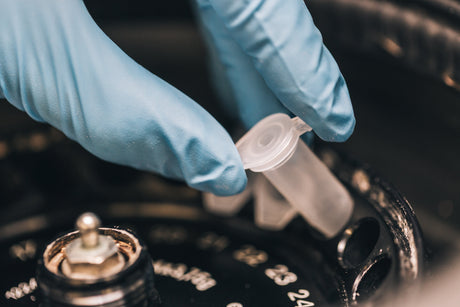
PCR tubes are individual reaction vessels, commonly 0.2 mL, designed for thermal cycling. They are often used when you are running smaller batches, customizing sample sets, or working on a bench setup where flexibility matters. PCR tubes can be capped individually or sealed with caps/film, depending on the design. They come in different profiles and cap styles to match instrument blocks and user preferences.
What are strip tubes?
Strip tubes are PCR tubes connected in a row—often 8-tube strips, sometimes 4-tube or 12-tube strips depending on the product line. They are designed to streamline setup and handling when you process samples in groups. Strips are ubiquitous in qPCR workflows and in labs that want fast loading, consistent sealing, and easy organization across repeated runs.
Strip Tubes Vs. PCR Tubes: the core differences
1) Workflow speed and throughput
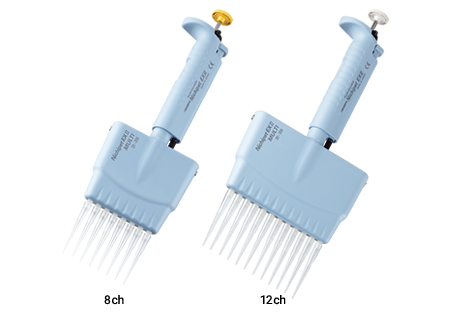
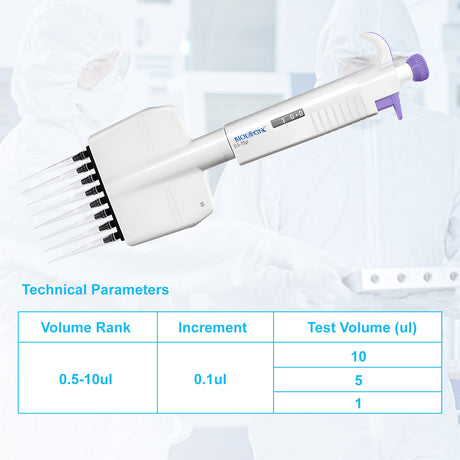
If you regularly run samples in sets that map well to 8-channel pipetting, strip tubes usually make setup quicker. You can fill a strip with a multichannel pipette, cap it efficiently, and load it into the block with fewer individual pieces. If you run varied sample counts and frequently mix small groups, individual PCR tubes offer flexibility and reduce “leftover wells” that you don’t need.
2) Sample organization and labeling
Individual tubes are easy to label one-by-one, which is helpful for small projects or troubleshooting runs. Strip tubes organize samples in consistent groups and can pair well with plate maps and standardized layouts, especially when a lab runs routine panels.
3) Sealing reliability
Both formats can seal well when matched with the right caps or films. Strips often make capping more uniform because you cap multiple tubes in one motion. For either format, strong sealing reduces evaporation and supports consistent Ct values in qPCR.
4) Thermal performance and fit
The tube fits the thermal block matters a lotEnsuring tubes are properly seated promotes even thermal transfer and consistent results. Strips can provide consistent seating across a row when designed for your block. Individual tubes can also perform beautifully, especially when the tube profile is well-matched.
5) Cost and convenience
Cost can vary by brand, packaging, and certification. In some workflows, strips reduce handling time and can save labor costs. In other workflows, individual tubes reduce waste because you only use what you need.
qPCR vs endpoint PCR: which format tends to feel easiest?
Both formats work well for endpoint PCR and qPCR, but they can feel different depending on your workflow. In endpoint PCR, flexibility often matters most. If you are running mixed sample counts, testing different primer sets, or doing optimization runs, individual PCR tubes can be convenient because you only use exactly the wells you need.
In qPCR, consistent seating and sealing often matter more because minor evaporation differences can shift Cq/Ct values. Many teams like Strip tubes because they pair naturally with multichannel pipetting, organized layouts, and uniform capping across a row. If your qPCR system uses optical reading through caps, look for optical-cap compatibility and a cap style that closes evenly without warping. A well-matched cap and tube set often makes fluorescence curves look cleaner and more consistent.
Sealing options: caps, strip caps, and films
Sealing is one of the most significant performance factors for PCR. Individual tube caps are great for maximum flexibility. They are easy to open one sample at a time and are often used for troubleshooting, pilot runs, and low-throughput workflows. Strip caps can speed up setup. Because you close multiple wells with one motion, strip caps often help teams apply a consistent seal across a group, which supports uniform evaporation control.
Sealing films are sometimes used for plate-based PCR formats, but for tubes and strips, caps are usually the most straightforward route to a secure seal. Whichever you use, the goal is the same: a tight, repeatable closure that stays stable throughout cycling. A practical tip is to use a capping tool when available. It reduces hand strain and helps you apply the same pressure every time, which is especially helpful during busy days.
PCR consumables and thermal performance: what to look for
Your PCR consumables work as a system: tubes, caps/films, racks, and the thermal cycler block.
- A few practical factors influence thermal performance.
- Wall thickness and uniformity. Consistent walls help heat transfer evenly.
- Tube clarity and material formulation. Many labs prefer clear tubes for quick visual checks.
- Tube profile. Some instruments prefer low-profile tubes for better heat transfer and reduced condensation.
- Cap or seal fit. A seal that is easy to apply evenly reduces evaporation risk.
When your consumables are consistent, your cycling conditions behave more predictably—especially across longer runs or higher cycle numbers.
Certifications and cleanliness: choosing PCR consumables for sensitive assays
For many molecular workflows, a “regular” tube is enough. For higher-sensitivity assays, choosing certified consumables can make your day calmer and your data easier to interpret.
- If you run low-copy PCR, qPCR panels, or contamination-sensitive workflows, consider consumables labeled DNase/RNase-free and manufactured in clean conditions.
- If your lab works with clinical-like samples or environmental swabs, barrier tips and clean consumables help reduce carryover and make results more dependable.
- For teams building standardized workflows, it’s often helpful to select one primary tube/strip family and one cap style, then keep them consistent across projects. That consistency reduces subtle variation and speeds training for new staff.
Astor Scientific supports this approach by helping labs standardize PCR consumables—from tubes and caps to handling tools—so the same protocol behaves the same way across benches and operators.
Why are polypropylene PCR tubes widely used?
Polypropylene PCR tubes are standard because polypropylene handles thermal cycling well and is compatible with many biological reagents. In practical lab use, polypropylene offers a good balance of:
- Thermal stability.
- Chemical resistance.
- Optimizing assay conditions can enhance reactivity across all components for stronger results.
- Mechanical durability for routine handling.
For many labs, polypropylene is the reliable default because it performs well across different PCR chemistries without adding workflow complexity.
Manufacturing quality: the hidden factor that drives consistency
In PCR, small variability adds up. That’s why manufacturing quality is a key selection factor.
High manufacturing quality often shows up as:
- Consistent tube dimensions for reliable block fit.
- Uniform wall thickness.
- Clean molding with minimal flash or rough edges.
- Caps that apply evenly and stay sealed through cycling.
- Low lot-to-lot variation.
- Slight differences between strips usually reflect normal manufacturing variation, not the protocol, and can be managed for consistent results.
- Labs that value dependable PCR results often standardize on consumables with strong lot consistency and clear QC documentation.
When you source supplies, it helps to buy from a vendor that keeps product specs and availability stable. Astor Scientific focuses on dependable lab essentials with clear category organization—making it easier to reorder the same PCR consumables and keep your workflow consistent over time.
Automation and high-throughput workflows
If your lab uses multichannel pipettes, repeat dispensers, or liquid-handling robots, format choice can affect speed. Strip tubes can streamline high-throughput runs because they are easy to load in groups, easy to cap uniformly, and easy to map to repeated layouts. Individual PCR tubes can still work well, especially for smaller automated batches, but they often require more manual handling when sample counts increase. If automation is part of your roadmap, consider how the tube format integrates with racks, chill blocks, and labeling systems. A format that reduces “tiny handling steps” tends to reduce human error and improve day-to-day comfort.
A simple selection checklist
If you want a fast way to decide, these questions usually point to the right choice.
- Do you pipette in groups of 8? If yes, Strip tubes often feel natural.
- Do you frequently run fewer than 8 samples per run? If yes, individual PCR tubes may reduce waste.
- Do you run qPCR where evaporation control is critical? If yes, prioritize sealing uniformity and consider strips with matching strip caps.
- Do you need tube-by-tube labeling and frequent sample changes? If yes, individual tubes offer more flexibility.
Are you standardizing across multiple benches? If yes, choose one primary format and keep it consistent for training and repeatability.
Which should you choose: strip tubes or individual PCR tubes?
In PCR, small variability adds up. That’s why manufacturing quality is a key selection factor.
- High manufacturing quality often shows up as:
- Consistent tube dimensions for reliable block fit.
- Uniform wall thickness.
- Clean molding with minimal flash or rough edges.
- Caps that apply evenly and stay sealed through cycling.
- Low lot-to-lot variation.
- If you’ve ever seen one strip seal perfectly and another strip feel “slightly off,” that’s often a manufacturing consistency issue rather than a protocol issue.
Labs that value dependable PCR results often standardize on consumables with strong lot consistency and clear QC documentation. Astor Scientific supports this kind of standardization by helping labs source dependable PCR consumables and lab essentials that make daily workflows smoother and more repeatable.
Which should you choose: strip tubes or individual PCR tubes?
A simple decision framework makes this choice easy.
Choose Strip tubes when you run medium-to-high throughput, use multichannel pipettes, want faster setup, or prefer standardized layouts.
Choose individual PCR tubes when you run small batches, frequently change sample counts, want maximum flexibility, or prefer tube-by-tube labeling.
If you’re unsure, many labs keep both available: strips for routine panels and individual tubes for troubleshooting, optimization, or small pilot runs. Astor Scientific often sees this “two-format” approach work well in growing labs because it keeps routine testing fast.
Practical tips for better performance with either format
Match the tube to the instrument block.
Always confirm compatibility with your thermal cycler model.Using the right tube with the appropriate block ensures predictable and reliable performance.
Seal consistently
Apply caps evenly and firmly, and use the manufacturer’s recommended capping tool if available. A consistent seal supports consistent results.
Minimize evaporation
Use the proper seal, verify heated lid settings, and avoid unnecessary delays between setup and cycling.
Keep a clean technique.
Use filter tips when needed, avoid aerosols, and keep work areas clean. Clean technique helps PCR feel more predictable.
Store consumables well
Keep tubes and caps sealed in packaging until use and store in clean, dry conditions.
Common questions
Are strip tubes better than PCR tubes?
Neither is universally “better.” Strip tubes are often faster for throughput and multichannel work. Individual PCR tubes are often better for flexibility and small runs.
Do strip tubes improve qPCR consistency?
They can, especially if they improve sealing uniformity and block seating across a row. The key is compatibility with your instrument and consistent sealing.
Why does manufacturing quality matter so much?
PCR is sensitive to slight differences in thermal transfer and sealing. High manufacturing quality reduces lot-to-lot variability and helps runs behave consistently.
Are polypropylene PCR tubes always the best choice?
Polypropylene is a widely used, dependable choice for many PCR workflows. The best option still depends on your instrument compatibility and your specific assay needs.
Conclusion
The choice between Strip tubes and individual PCR tubes is really about workflow fit. Strips often shine in organized, higher-throughput setups where consistent sealing and fast handling matter. Individual tubes shine when flexibility and small-batch control are the priority. When you choose well-matched PCR consumables, use dependable Polypropylene PCR tubes, and prioritize consistent Manufacturing quality, PCR setup becomes smoother, and results become more repeatable. If you’re standardizing your molecular workflow, Astor Scientific can support you with reliable PCR consumables and lab-ready essentials that help teams run clean, confident assays day after day.