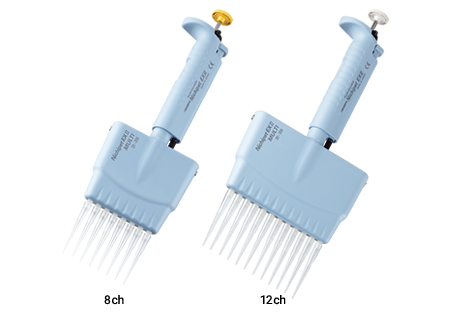
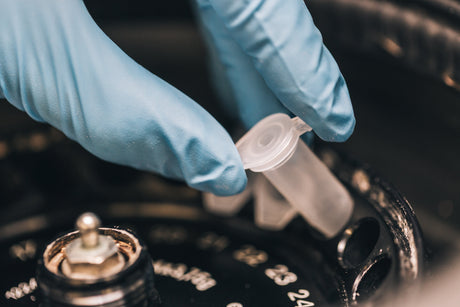
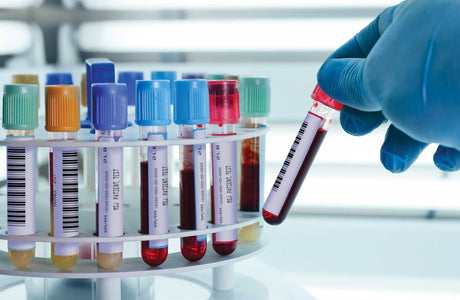
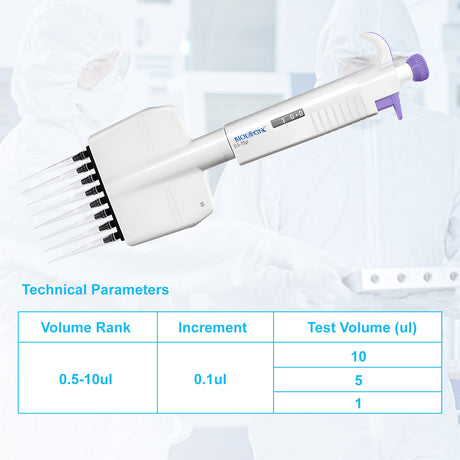
Pipette tips may look like simple disposable lab consumables, but they play a major role in research accuracy, contamination control, and workflow reliability. Whether a lab is preparing PCR master mix, transferring cell culture media, handling RNA samples, setting up ELISA plates, or making routine buffers, choosing the right tip can protect sample integrity and improve confidence in results.
The key difference between sterile and non-sterile pipette tips is contamination control. Sterile pipette tips are treated and packaged to reduce microbial contamination risk, making them suitable for sensitive biological, molecular biology, diagnostic, and aseptic workflows. Non-sterile pipette tips are practical for general liquid handling where sterility is not required, such as buffer preparation, non-critical reagent transfer, training, and routine laboratory tasks.
For modern scientific research, the best choice is not always the most expensive option. The best choice is the tip that matches the sample, workflow, contamination risk, pipette compatibility, and quality requirements. This guide explains the difference between sterile and non-sterile pipette tips, when to use each type, and how laboratories can select reliable pipette tips for efficient, accurate, and productive research.
What Are Sterile Pipette Tips?
Sterile pipette tips are disposable pipette tips that have been treated through a sterilization method, often irradiation or another validated process, to reduce microbial contamination. They are commonly supplied in sealed racks, reload systems, or individually wrapped formats to help maintain sterility before use.
In laboratory practice, sterile pipette tips are used when sample purity and contamination control are essential. This includes cell culture, molecular biology, PCR, diagnostic testing, microbiology, pharmaceutical research, biotechnology workflows, and academic laboratories working with sensitive biological materials.
Sterile pipette tips help support clean handling by reducing the risk of introducing microorganisms into samples, reagents, or culture systems. For researchers, this improves confidence in experimental outcomes and helps reduce troubleshooting caused by contamination-related failures.
What Are Non-Sterile Pipette Tips?
Non-sterile pipette tips are disposable pipette tips that have not gone through a validated sterilization process. They may still be manufactured in controlled or clean production environments, but they are not intended for workflows that require sterility.
Non-sterile pipette tips are widely used in routine laboratory work. They are often appropriate for transferring water, buffers, salts, dyes, non-critical reagents, teaching-lab solutions, and general analytical samples where microbial contamination is not expected to affect results.
For labs with high daily tip usage, non-sterile pipette tips can be a cost-effective and efficient choice. However, they should not be used for workflows where contamination could compromise data quality, sample safety, or experimental reproducibility.
Sterile vs Non-Sterile Pipette Tips: Main Comparison
|
Feature |
Sterile Pipette Tips |
Non-Sterile Pipette Tips |
|
Main purpose |
Contamination-sensitive work |
Routine liquid handling |
|
Microbial control |
Sterilized to reduce microbial contamination |
Not sterilized |
|
Best for |
PCR, RNA, DNA, cell culture, diagnostics, microbiology |
Buffers, general reagents, teaching, non-critical transfers |
|
Packaging |
Racked, sealed, reload, or individually wrapped |
Bulk bags, racks, or reloads |
|
Cost |
Usually higher |
Usually lower |
|
Contamination risk |
Lower when handled correctly |
Higher for sensitive workflows |
|
Filter option |
Often available as sterile filtered tips |
May be filtered or non-filtered depending on product |
|
Procurement strategy |
Use for critical assays |
Use for routine, low-risk tasks |
Why the Difference Matters in Scientific Research
The difference between sterile and non-sterile pipette tips matters because many laboratory workflows depend on clean, precise, and reproducible liquid handling. In molecular biology, even small contamination events can influence amplification results. In cell culture, microbial contamination can damage cultures and delay research timelines. In protein analysis and ELISA workflows, inconsistent handling can affect signal quality and assay interpretation.
Pipette tips are a part of the liquid handling system that directly contact the sample. A high-quality pipette cannot fully protect data quality if the tip does not fit correctly, retains liquid inconsistently, or introduces contamination. For that reason, tip selection should be treated as a scientific decision, not just a supply purchase. For research institutions, biotech companies, pharmaceutical labs, and clinical laboratories, the right pipette tip supports scientific excellence by improving reliability, precision, efficiency, and laboratory success.
When Should You Use Sterile Pipette Tips?
Use sterile pipette tips when contamination could affect the sample, reagent, culture, assay, or final result.
1. PCR and qPCR
PCR and qPCR are highly sensitive molecular biology workflows. Sterile tips help reduce contamination risk, while filtered sterile pipette tips provide additional protection against aerosols and carryover. For PCR work, laboratories should also look for tips certified free from DNA, DNase, RNase, and PCR inhibitors.
2. RNA Extraction and RNA Research
RNA is especially sensitive because RNases are common and can degrade RNA quickly. For RNA extraction, use sterile filtered pipette tips that are RNase-free and nuclease-free. This is important for workflows such as RT-qPCR, RNA sequencing preparation, gene expression studies, and transcriptomics.
3. DNA Research
DNA research, genotyping, cloning, sequencing preparation, and forensic workflows require strong contamination control. Sterile tips with appropriate molecular-grade certifications help protect sample integrity and reduce false results.
4. Cell Culture
Cell culture workflows need aseptic technique. Sterile pipette tips help reduce the risk of introducing microorganisms into culture media, cell suspensions, flasks, plates, or wells. Filtered sterile tips can add another layer of protection when handling valuable cultures or sensitive cell lines.
5. ELISA and Immunoassays
ELISA workflows depend on accurate reagent transfer and clean sample handling. Sterile or clean certified tips may be useful when working with sensitive biological samples, clinical specimens, antibodies, proteins, or low-volume reagents.
6. Diagnostic Laboratories
Clinical and diagnostic laboratories often handle sensitive samples where contamination control, traceability, and consistency matter. Sterile pipette tips can support reliable testing workflows and better quality assurance.
When Are Non-Sterile Pipette Tips Acceptable?
Non-sterile pipette tips are acceptable when sterility is not required, and contamination risk is low.
Common uses include:
- Buffer preparation
- General reagent transfer
- Water or salt solution handling
- Teaching and training labs
- Non-biological analytical workflows
- Routine quality control tasks where sterility is not part of the method
- Pre-experiment setup steps that do not contact sensitive samples
Non-sterile tips are valuable because they help labs control costs without compromising workflows that do not need sterile consumables. The key is to avoid using them in applications where microbial, DNA, RNA, or aerosol contamination could affect outcomes.
Sterile Filtered Pipette Tips vs Sterile Non-Filtered Tips
Sterile pipette tips can be filtered or non-filtered. The filter is usually a porous barrier inside the tip that helps block aerosols and liquid carryover from entering the pipette shaft.
|
Tip Type |
Best Use |
|
Sterile non-filtered tips |
Aseptic workflows where aerosol risk is low |
|
Sterile filtered pipette tips |
PCR, RNA extraction, qPCR, diagnostics, infectious samples, high-sensitivity assays |
|
Non-sterile non-filtered tips |
Routine low-risk liquid handling |
|
Non-sterile filtered tips |
Aerosol protection when sterility is not required, depending on workflow |
Filtered tips are especially helpful when working with volatile liquids, infectious materials, nucleic acids, or workflows where carryover can create false positives or failed experiments.
How Pipette Tips Affect Pipetting Accuracy
Pipetting accuracy depends on more than the pipette itself. The tip must seal properly, match the pipette cone, release liquid consistently, and support the intended volume range.
A poor tip fit can cause leakage, inconsistent aspiration, dripping, or inaccurate dispensing. Low-quality tips may also have inconsistent internal geometry, flash, rough surfaces, or poor retention behavior. These small differences can become significant in micro-volume workflows, serial dilutions, PCR setup, ELISA plate loading, and protein analysis.
For best accuracy:
- Use tips compatible with your pipette model.
- Match the tip volume range to the pipette volume.
- Use low-retention tips for viscous, sticky, protein-rich, or expensive reagents.
- Pre-wet tips when precision is important.
- Maintain consistent pipetting angle and immersion depth.
- Change tips between samples when contamination control matters.
- Store tips in clean, closed racks.
Buying Guide: How to Choose Sterile and Non-Sterile Pipette Tips
Choosing pipette tips should be based on workflow risk, sample type, quality standards, and budget. Here is a practical buying guide for laboratories.
1. Match the Tip to the Application
For PCR, qPCR, RNA extraction, DNA research, and molecular biology, choose sterile filtered pipette tips with relevant molecular-grade certifications. For routine buffer transfers, non-sterile pipette tips may be suitable.
2. Check Certifications
Do not assume every sterile tip is suitable for molecular workflows. Look for terms such as:
- Sterile
- RNase-free
- DNase-free
- DNA-free
- Pyrogen-free
- Endotoxin-free
- ATP-free
- PCR-inhibitor-free
- Non-pyrogenic
- Low retention
- Filtered or aerosol barrier
3. Confirm Pipette Compatibility
Universal tips may fit many pipettes, but not every pipette-tip combination performs equally. A secure seal supports accurate aspiration and dispensing. For regulated or highly sensitive labs, validate the tip fit with the pipettes used in daily workflows.
4. Choose the Right Packaging
Bulk tips are economical but less protective. Racked tips are convenient and cleaner. Sterile racks support aseptic work. Individually wrapped tips offer the highest protection for critical procedures but may cost more and create more packaging waste.
5. Consider Low-Retention Tips
Low-retention pipette tips reduce liquid adhesion inside the tip. They are especially useful for proteins, enzymes, detergents, viscous liquids, DNA/RNA reagents, master mixes, and small-volume transfers.
6. Balance Cost and Risk
A smart lab does not need sterile filtered tips for every task. Use premium sterile filtered tips for critical workflows and non-sterile disposable pipette tips for routine, low-risk work. This improves cost efficiency while protecting important experiments.
Expert Insights
The most reliable laboratories build pipette-tip selection into their workflow design. Instead of asking, “Which tip is cheapest?” they ask, “Which tip protects this sample and produces the most reliable result?”
For RNA extraction, sterile filtered pipette tips with RNase-free certification are highly recommended. For PCR and qPCR, filtered tips help reduce aerosol-related carryover and false-positive risk. For cell culture, sterile tips support aseptic technique. For general buffer preparation, non-sterile tips can be efficient and practical. This balanced approach supports research productivity, scientific advancement, quality control, and long-term laboratory success.
Industry Trends
Modern laboratories are placing greater emphasis on contamination control, automation compatibility, and sustainable procurement. Biotechnology, pharmaceutical, and diagnostic laboratories increasingly prefer pipette tips that combine precision, clean manufacturing, reliable certifications, and workflow-specific design.
Key trends include:
- Increased use of sterile filtered pipette tips in molecular biology
- More demand for RNase-free and DNase-free consumables
- Growth in automation-compatible pipette tips for high-throughput workflows
- Greater interest in low-retention surfaces for expensive reagents
- Sustainable packaging and reload systems to reduce plastic waste
- Stronger quality documentation for regulated and clinical environments
- AI-assisted inventory planning for research consumables and laboratory supplies
As labs become more data-driven, consumable selection will continue to influence reproducibility, efficiency, and scientific discovery.
Common Mistakes to Avoid
- Using non-sterile tips for RNA extraction or PCR setup
- Assuming sterile tips are automatically RNase-free or DNase-free
- Reusing tips between samples
- Using poorly fitting universal tips without validation
- Leaving sterile racks open on the bench
- Touching tips with gloves or placing caps on contaminated surfaces
- Using regular tips for aerosol-generating or infectious workflows
- Choosing bulk tips only based on price
- Ignoring low-retention options for protein or enzyme work
- Using tips outside their intended volume range
FAQS
1. What is the main difference between sterile and non-sterile pipette tips?
Sterile pipette tips are treated to reduce microbial contamination risk, while non-sterile pipette tips are not sterilized. Sterile tips are used for sensitive biological and molecular workflows, while non-sterile tips are used for routine liquid handling.
2. Are sterile pipette tips always RNase-free?
No. Sterile means the tip has been sterilized, but it does not automatically mean the tip is RNase-free, DNase-free, DNA-free, or PCR-inhibitor-free. Always check the product specifications.
3. When should I use sterile pipette tips?
Use sterile pipette tips for PCR, qPCR, RNA extraction, DNA research, cell culture, microbiology, clinical samples, diagnostic testing, and contamination-sensitive workflows.
4. When can I use non-sterile pipette tips?
Use non-sterile pipette tips for routine buffer preparation, non-critical reagent transfer, teaching labs, and general liquid handling where sterility is not required.
5. Are sterile filtered pipette tips better?
Sterile filtered pipette tips are better for workflows where both sterility and aerosol protection matter, such as PCR, RNA extraction, diagnostics, infectious sample handling, and sensitive molecular biology assays.
Conclusion
Sterile and non-sterile pipette tips both have an important place in the laboratory. Sterile pipette tips protect contamination-sensitive workflows such as PCR, RNA research, DNA research, cell culture, ELISA, diagnostics, and microbiology. Non-sterile pipette tips support efficient and cost-effective routine liquid handling where sterility is not required.
The best choice depends on the sample, Application, contamination risk, quality requirements, and procurement strategy. For critical scientific research, laboratories should look beyond the word “sterile” and check for filtered design, RNase-free and DNase-free certification, low-retention performance, pipette compatibility, and reliable packaging. By choosing the right pipette tips for each workflow, laboratories can improve accuracy, protect sample integrity, reduce troubleshooting, and support confident scientific discovery.