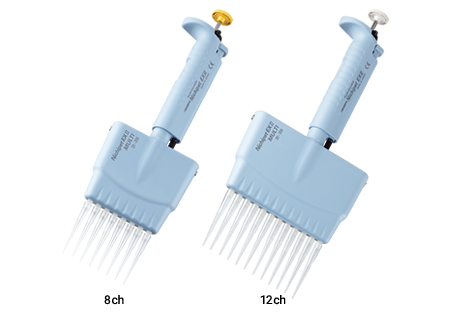
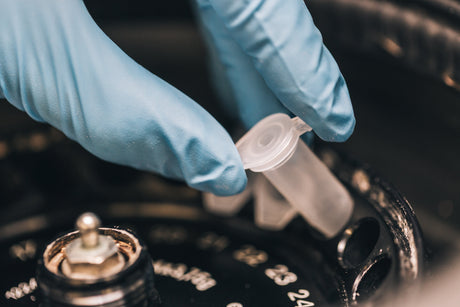
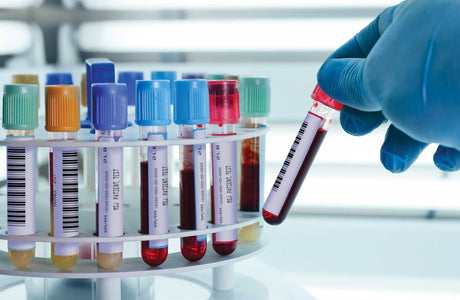
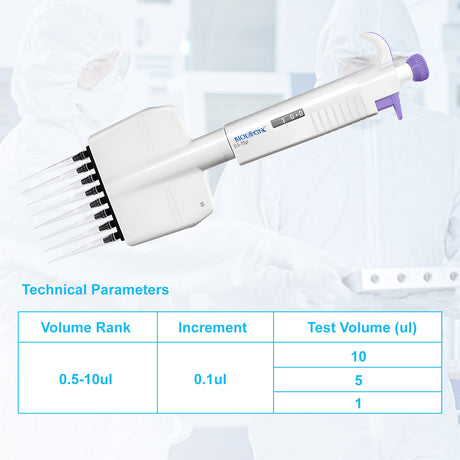
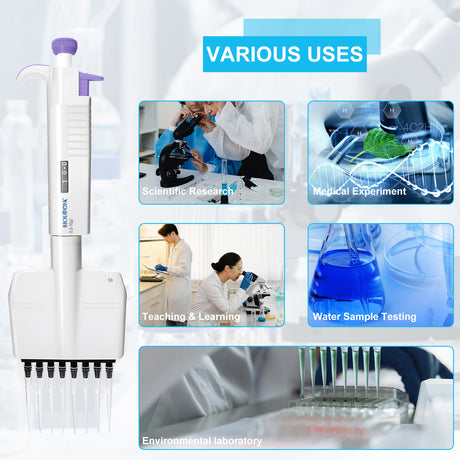
Choosing the right Pipette Tips is one of the simplest upgrades you can make for cleaner, more repeatable results. Even with a well-maintained calibrated pipette, the tip is the part that actually meets the sample—so tip fit, material, and design can influence accuracy, precision, and contamination risk. The good news is that tip selection doesn’t have to be complicated. Once you match the tip type to your workflow, day-to-day pipetting becomes smoother, and your data becomes easier to trust. This guide explains how to select tips for common Laboratory experiments, including when to use filter pipette tips, how to choose a micro tip pipette style for small volumes, and how Universal pipette tips can help streamline inventory while keeping performance consistent.
Why pipette tips matter more than most people expect
Pipette tips affect three things that show up directly in results. Accuracy and precision: a secure seal and consistent inner geometry improve volume delivery. Contamination control: tips influence aerosol carryover and sample-to-sample protection. Workflow speed: easy loading, consistent ejection, and reliable fit reduce fatigue and errors. In many labs, switching to better-matched tips is the fastest way to improve reproducibility without changing protocols.
Start with your pipette: compatibility comes first.
Before comparing tip styles, confirm which tips are compatible with your pipette model. Different brands use slightly different cone geometries. A tip that feels “almost” compatible can still create small leaks or inconsistent seals, especially at lower volumes. A practical approach is to use manufacturer-recommended tips when accuracy is critical, and validate any universal options with a quick gravimetric check. If your lab uses a calibrated pipette program, pair it with a validated tip type so your calibration reflects real daily use.
Universal pipette tips: what “universal” really means
Universal pipette tips are designed to fit multiple pipette brands and models. They can be a wise choice for labs that run mixed fleets or want to simplify purchasing.
They work best when:
- The tip brand has a strong fit reputation for your pipette models.
- Your lab validates seal quality with a simple check (no dripping, smooth aspiration/dispense, stable weights).
- You use consistent loading pressure; over-pressing can distort tips and affect fit.
- Universal tips are constructive for routine aqueous workflows and general lab handling, where standardized supplies matter.
Filter pipette tips: when they are the best choice.
Filter pipette tips include a barrier (usually a porous filter) that reduces aerosol contamination and sample carryover into the pipette. They are a strong choice for:
- PCR, qPCR, and other nucleic acid workflows.
- Cell culture where sterility matters.
- Protein assays where cross-contamination can shift readings.
- Work with infectious or unknown samples.
- Viscous or foamy samples that can generate aerosols.
- Filter tips are one of the easiest ways to protect both your samples and your pipettes, especially in high-sensitivity assays.
A helpful habit is to treat filter tips as the default for sensitive workflows, then use standard tips for low-risk, high-volume tasks.
Micro tip pipette selection: choosing tips for small volumes
A micro tip pipette workflow typically means volumes in the low microliter range. At these volumes, slight differences in tip geometry and wetting can noticeably affect precision.
For micro-volume work, prioritize:
- Tight fit with minimal leakage.
- Low retention material to improve recovery.
- Consistent manufacturing quality to reduce variability.
- Gentle pipetting technique, including pre-wetting the tip.
When your experiment depends on tight standard curves or low-abundance targets, micro-volume-optimized tips help results stay stable.
Tip length, shape, and orifice: matching tips to the job
Standard vs extended length
Extended-length tips can help reach into deep tubes, narrow vessels, or tall reservoirs. For routine plates and tubes, standard length tips are usually efficient and comfortable.
Wide-bore tips
Wide-bore tips reduce shear and are helpful for:
- Cells and fragile samples.
- High-molecular-weight DNA.
- Viscous solutions.
If your cells or DNA integrity matters, wide-bore tips can improve handling without changing the rest of your protocol.
Gel-loading and specialty tips
Gel-loading tips are designed for narrow wells and controlled dispensing. They’re helpful for electrophoresis workflows and careful small-volume loading.
Low retention tips: when recovery matters
Low retention tips are treated to reduce sample adhesion. They are invaluable for:
- Proteins, enzymes, and detergents.
- Viscous reagents like glycerol mixtures.
- Tiny volumes where small losses matter.
If you frequently work with expensive reagents, low retention tips can pay for themselves by improving recovery and reducing variability.
Sterile, non-sterile, and certified tips
Tip packaging and certification should match your risk level.
- Sterile tips are an excellent fit for cell culture, microbiology, and sensitive molecular workflows.
- Non-sterile tips are fine for many routine buffer transfers and general chemistry tasks.
- Certified RNase/DNase-free tips are valuable in nucleic acid work.
- Endotoxin-free or pyrogen-free certifications matter for specific cell and immunology workflows.
- Choosing the proper certification improves confidence and reduces surprises.
Racking style and workflow fit.
- Tip format can improve speed and reduce contamination risk.
- Racked tips are fast and clean for daily work.
- Reload systems can reduce plastic use and storage needs.
- Bulk tips can be cost-effective but require careful handling to keep them clean.
- For high-throughput plates, consistent racking and easy loading can prevent delays and keep timing uniform.
Quick selection guide for common laboratory experiments
PCR/qPCR
Use filter pipette tips, RNase/DNase-free certification, and consider low retention for master mixes.
Cell culture
Use sterile filter tips, avoid touching surfaces, and consider wide-bore tips for gentle handling.
ELISA and immunoassays
Use clean, consistent tips; filter tips can help when cross-contamination risk is high. Low retention tips may improve recovery for protein reagents.
Protein work and enzyme assays
Low retention tips help with sticky samples. Filter tips help when assay sensitivity is high.
General buffer prep
Universal pipette tips can work well for routine aqueous transfers when fit is validated. Astor Scientific supports many pipetting workflows by helping labs source consistent consumables and lab-ready essentials so day-to-day technique stays smooth and reproducible.
Tips for better pipetting performance with any tip
- A few technique habits amplify the benefits of good tips.
- Pre-wet tips for better accuracy, especially at low volumes.
- Use consistent immersion depth.
- Aspire and dispense smoothly; avoid rapid plunging.
- Change tips between samples when contamination risk matters.
- Avoid over-pressing tips onto the cone.
- Store tips in clean conditions and close racks between uses.
When these habits pair with a good tip choice, your Calibrated pipette performs closer to its best specification in real workflows.
FAQ
Are universal pipette tips as accurate as brand-specific tips?
They can be, especially for routine aqueous transfers, as long as the fit is validated on your pipettes. For critical assays, many labs prefer manufacturer-recommended tips.
When should I use filter pipette tips?
Use filter tips for PCR/qPCR, cell culture, infectious samples, and any workflow where aerosols or carryover could affect results.
What is the best tip choice for micro-volume work?
For a micro tip pipette workflow, choose tips designed for low volumes with a tight fit and consistent manufacturing. Pre-wetting and smooth technique also improve precision.
Do low retention tips really help?
Yes. They improve recovery for proteins, enzymes, detergents, and viscous reagents, especially when volumes are small or reagents are expensive.
Conclusion
The “right” Pipette Tips are the ones that match your pipette, your sample type, and your contamination risk—while keeping your workflow comfortable and consistent. When you choose tips that fit well, use filter pipette tips where sensitivity matters, and select micro-volume or low-retention options when recovery is essential, your Laboratory experiments become more repeatable and easier to interpret. If you’re standardizing pipetting across your lab, Astor Scientific can support you with dependable consumables and lab essentials that help teams maintain clean technique, consistent supply, and confident results.