DMEM, short for Dulbecco’s Modified Eagle Medium, is one of the most widely used basal media in mammalian cell culture. It supports the growth and maintenance of many adherent cell lines, including fibroblast-like cells, epithelial cells, and several commonly used cancer cell lines. For researchers and technicians, DMEM is often the starting point for building complete cell growth media with serum, glutamine, antibiotics, or other supplements.
Choosing the right DMEM formulation matters because media composition can affect cell growth, morphology, metabolism, pH balance, and experimental reproducibility. A high-glucose formulation may be suitable for one cell line, while another may require low glucose or a specific supplement profile.
What Is DMEM Basal Media?
DMEM basal media is a nutrient-rich liquid medium designed to support mammalian cells grown outside the body. It contains essential components such as amino acids, vitamins, inorganic salts, glucose, and buffering agents. These ingredients help cells maintain energy production, protein synthesis, osmotic balance, and pH stability during culture.
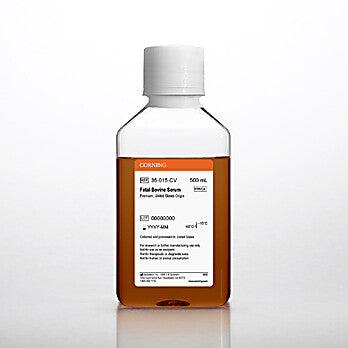
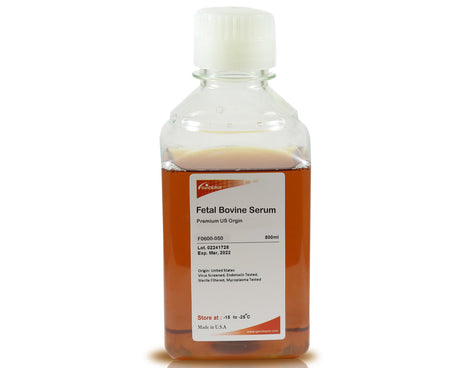
DMEM is called a basal medium because it usually does not contain all the supplements needed for routine cell growth. In many workflows, researchers add Fetal Bovine Serum, L-glutamine, antibiotics, sodium pyruvate, or cell-specific supplements to create complete growth media.
Why DMEM Is Important in Mammalian Cell Culture
DMEM is important because it provides a stable foundation for many mammalian cell culture workflows. It is flexible, familiar, and available in several formulations. This makes it useful for routine cell maintenance, assay preparation, drug screening, transfection workflows, and general cell biology research.
Researchers often choose DMEM because it can support:
- Healthy cell growth for many adherent mammalian cells
- Consistent cell morphology under validated conditions
- Routine passaging and expansion
- Cell-based assays and experimental preparation
- Supplementation with serum or defined additives
- Adaptation to different glucose or pyruvate requirements
DMEM is not the best medium for every cell type, but it is a strong and reliable option when the cell line protocol recommends it.
DMEM Formulation Explained
A DMEM formulation can vary depending on the product type. This is why two bottles labeled “DMEM” may not be identical. Differences may include glucose concentration, L-glutamine status, sodium pyruvate, phenol red, bicarbonate buffering, and powder or liquid format.
Common DMEM components include:
- Amino acids for protein synthesis
- Vitamins for metabolic support
- Glucose as an energy source
- Inorganic salts for osmotic balance
- Sodium bicarbonate for buffering in CO₂ incubators
- Phenol red is a pH indicator in many formulations
- Optional L-glutamine or sodium pyruvate
Because formulation details can affect cell behavior, researchers should always confirm the exact version required by their cell line or Experiment.
DMEM Basal Media vs Complete Cell Growth Media
DMEM basal media is the foundation. Complete DMEM is basal media plus supplements.
Media Type: What It Contains, Common Use
DMEM basal media, Core nutrients, salts, glucose, buffering components, Starting Formulation for cell culture Complete DMEM, DMEM plus FBS, glutamine, antibiotics, or other supplements—routine cell growth and maintenance. For example, a common protocol may call for DMEM supplemented with 10% FBS and 1% penicillin-streptomycin. Another protocol may require DMEM with high glucose, sodium pyruvate, and stable glutamine. The exact recipe should follow the validated protocol for the cell line.
Practical tip: Never assume that basal DMEM is ready for routine culture unless the protocol says so. Many cells need serum or defined supplements to grow well.
DMEM High Glucose vs Low Glucose
One of the most common selection questions is DMEM high glucose vs low glucose. The right choice depends on the cell line, growth needs, and research goal.
|
DMEM Type |
Typical Use |
Key Consideration |
|
High-glucose DMEM |
Fast-growing cells and many established cell lines |
May support rapid growth but can affect metabolism-sensitive experiments |
|
Low-glucose DMEM |
Some primary cells or metabolism-focused studies |
May better support certain physiological or experimental conditions |
High-glucose DMEM is often used for cells with higher energy needs or rapid proliferation. Low-glucose DMEM may be preferred when the protocol specifies it or when researchers want to avoid excessive glucose exposure in metabolism-related studies.
How to Choose DMEM for Cell Culture
1. Start With the Cell Line Protocol
The best first step is to check the cell line supplier’s recommendation. Cell banks and validated protocols often specify the exact DMEM formulation, glucose level, serum percentage, supplements, temperature, and CO₂ level.
Before ordering, confirm:
- Cell line name and source
- High-glucose or low-glucose requirement
- L-glutamine included or added separately
- Sodium pyruvate requirement
- Phenol red status
- Serum percentage
- Antibiotic use, if part of the SOP
- CO₂ and temperature conditions
2. Match Glucose Level to the Experiment
Glucose is not only an energy source; it can also influence cell metabolism and experimental readouts. If your Experiment measures metabolism, proliferation, oxidative stress, drug response, or signaling, changing the glucose level may affect results. For routine culture, follow the established protocol. For experimental optimization, document any change clearly and compare performance before switching permanently.
3. Check L-Glutamine and Sodium Pyruvate
L-glutamine supports nitrogen metabolism and cell growth, but it can degrade over time in solution. Some DMEM formulations include L-glutamine, while others require it to be added separately. Stable glutamine substitutes may also be used in some workflows. Sodium pyruvate can provide an additional energy source and may support certain cell types. However, it is not required for every application. Use the version recommended by the cell line protocol.
4. Decide Whether Phenol Red Is Needed
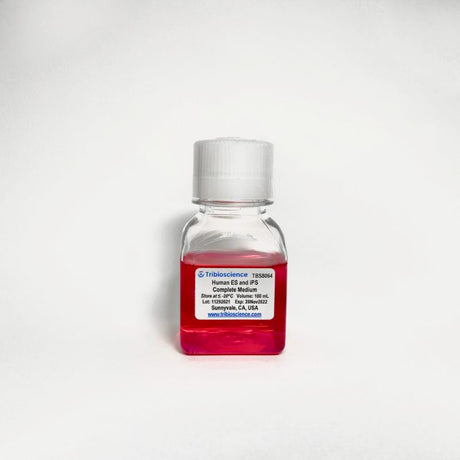
Phenol red is a pH indicator that changes color when the medium becomes too acidic or alkaline. It is helpful for routine visual monitoring. Yellow media often suggests acidification, while purple media may indicate alkaline shift. However, phenol red can interfere with some assays, especially hormone-sensitive, fluorescence, or colorimetric workflows. In those cases, phenol red-free DMEM may be a better choice.
5. Consider Serum and Supplements
DMEM basal media often becomes a complete cell growth media after adding serum and supplements. FBS is commonly used to support cell attachment, survival, and proliferation. Some workflows may require serum-free or defined conditions. Use consistent supplement concentrations and track lot numbers when possible. This is especially important for long-term experiments and assay reproducibility.
Cell Culture Contamination and DMEM Handling
Cell culture contamination can affect cell health, experimental data, and lab productivity. Because DMEM is nutrient-rich, contaminated media can support unwanted microbial growth if handled poorly.
Good handling practices include:
- Use aseptic technique in a biosafety cabinet
- Warm only the volume needed
- Avoid leaving bottles open
- Do not return unused media to the original bottle
- Label complete media with preparation date and supplements
- Store media according to supplier instructions
- Discard cloudy, suspicious, or expired media
- Use sterile pipettes and clean liquid handling tools
These habits help protect mammalian cell culture workflows and reduce avoidable cell culture problems.
Bacterial Contamination in Cell Culture: What to Watch For
Bacterial contamination in cell culture can appear quickly because bacteria grow fast in nutrient-rich media. Early detection is important.
Possible signs include:
- Cloudy or turbid media
- Sudden yellow color change
- Floating particles or moving dots under the microscope
- Unusual smell
- Rapid pH shift
- Poor cell attachment or cell death
- Unexpected assay failure
If contamination is suspected, do not use the media or continue the culture. Follow the lab’s contamination response SOP, disinfect the workspace, and review handling steps to identify the likely source. Featured snippet answer: Signs of bacterial contamination in cell culture may include cloudy DMEM, rapid color change, floating particles, unusual odor, poor cell growth, and visible bacteria under a microscope.
Common DMEM-Related Cell Culture Problems
|
Problem |
Possible Cause |
What to Check |
|
Slow cell growth |
Wrong glucose level, missing serum, old supplements |
Protocol, FBS, glutamine, expiration date |
|
Yellow media |
Overgrown cells, contamination, CO₂ imbalance |
Passage timing, microscope check, incubator settings |
|
Abnormal morphology |
Media mismatch or pH stress |
DMEM formulation and culture conditions |
|
Poor attachment |
Low serum or unsuitable surface |
FBS level, vessel type, cell health |
|
Inconsistent assay results |
Media substitutions or lot changes |
Formulation, supplement lots, SOP records |
Troubleshooting should start with the basics: confirm the exact DMEM formulation, check supplement additions, inspect for contamination, and verify incubator CO₂ and temperature.
FAQs
What is DMEM used for?
DMEM is used to support the growth and maintenance of many mammalian cells, especially adherent cell lines, when combined with the right supplements and culture conditions.
Is DMEM a complete medium?
DMEM is usually a basal medium. It often needs supplements such as FBS, L-glutamine, antibiotics, or other additives before it becomes a complete cell growth media.
What is the difference between high-glucose and low-glucose DMEM?
High-glucose DMEM contains more glucose and is often used for rapidly growing cells. Low-glucose DMEM may be used for certain primary cells or metabolism-sensitive experiments.
How do I choose DMEM for cell culture?
Start with the cell line protocol, then check glucose level, L-glutamine, sodium pyruvate, phenol red, serum needs, supplements, and incubator conditions.
Can contaminated DMEM be used if it looks only slightly cloudy?
No. Cloudy or suspicious media should not be used. It may indicate contamination and can compromise cells, experiments, and lab safety.
Conclusion
DMEM basal media is a trusted foundation for many mammalian cell culture workflows. Its value comes from flexibility: researchers can choose high-glucose or low-glucose versions, with or without selected components, and supplement them according to cell line needs.
The best results come from matching the DMEM formulation to the protocol, maintaining clean handling practices, and documenting any changes. By understanding glucose level, supplements, phenol red, buffering conditions, and contamination risks, researchers can support healthier cells, stronger reproducibility, and more confident experimental outcomes.