Modern laboratories rely on a wide range of plastic items to support safe, efficient, and accurate work. From sample handling to storage and liquid transfer, laboratory plasticware plays a central role in everyday lab operations. Whether a lab works in research, diagnostics, education, microbiology, or quality control, the right plastic tools can make workflows smoother and more reliable.
Today, many labs prefer lab plasticware because it is lightweight, practical, cost-effective, and available in a wide range of specialized formats. Items such as petri dishes, plastic funnels, tubes, pipette tips, and sample containers are now standard in many facilities.
Why Laboratory Plasticware Matters
Plasticware is more than just a convenient alternative to glass. It helps labs improve efficiency, reduce breakage, simplify handling, and support contamination control in many workflows.
In daily lab work, plasticware is often chosen because it offers:
- Lightweight handling
- Convenience in routine tasks
- Availability in sterile and disposable formats
- Compatibility with many biological and analytical workflows
- Reduced risk of breakage compared with glass
These benefits make laboratory plasticware a practical choice for both high-throughput environments and small research settings.
What Is Laboratory Plasticware?
Laboratory plasticware includes plastic-based consumables and tools used for storing, transferring, filtering, mixing, culturing, and analyzing samples. These items may be disposable or reusable, depending on the material and application.
Common materials used in lab plasticware include:
- Polypropylene (PP)
- Polyethylene (PE)
- Polystyrene (PS)
- Polycarbonate (PC)
- Polyethylene terephthalate (PET)
Each material offers different strengths, such as chemical resistance, clarity, flexibility, or heat tolerance. Choosing the right material is part of choosing the right tool.
Most Important Types of Plasticware in Labs and Their Uses
There are many types of lab plasticware, but some are especially essential because they are used across a wide range of tasks.
Petri Dishes
Petri dishes are one of the most recognizable examples of plastic lab equipment. They are widely used in microbiology, cell culture support tasks, educational labs, and environmental testing.
Common uses of petri dishes
- Culturing microorganisms
- Observing colony growth
- Performing plating techniques
- Sample isolation in microbiology workflows
- Classroom and demonstration use
Plastic petri dishes are popular because they are lightweight, disposable, and convenient for sterile work. In many routine microbiology applications, they help simplify workflow while reducing the need for washing and sterilization.
Plastic Funnels
Plastic funnels are simple but highly useful tools found in many laboratories. They are used to guide liquids or powders into containers with small openings.
Common uses of plastic funnels
- Pouring liquids into bottles or tubes
- Supporting filtration setups
- Transferring powders with less mess
- Reducing spillage during sample prep
Because plastic funnels are light, easy to handle, and often chemically compatible with common lab solutions, they are a practical choice in routine workflows.
Centrifuge Tubes
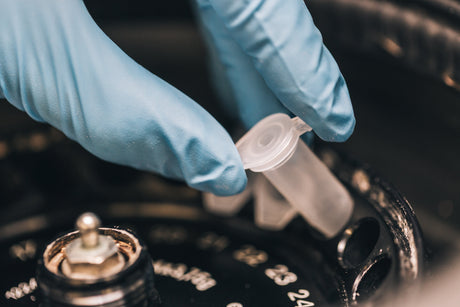
Plastic centrifuge tubes are essential for sample storage, separation, and processing. They are commonly used in molecular biology, clinical diagnostics, and general research labs.
Common uses of centrifuge tubes
- Sample storage
- Centrifugation of liquids and suspensions
- Pellet collection
- Reagent preparation
- Transporting samples within the lab
Available in multiple sizes, these tubes are among the most widely used items in laboratory plasticware.
Microcentrifuge Tubes
Microcentrifuge tubes are small plastic tubes designed for low-volume work. They are especially important in molecular biology and genomics workflows.
Common uses of microcentrifuge tubes
- DNA and RNA sample handling
- PCR preparation
- Enzyme reaction setup
- Small-volume storage
- Protein sample preparation
Their compact size and secure caps make them ideal for precise small-sample work.
Pipette Tips
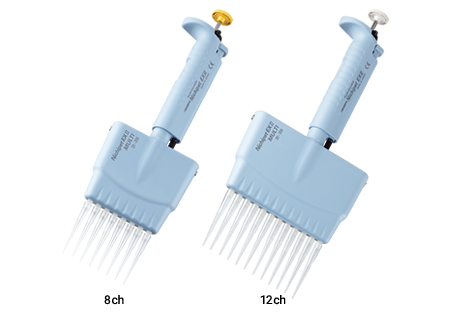
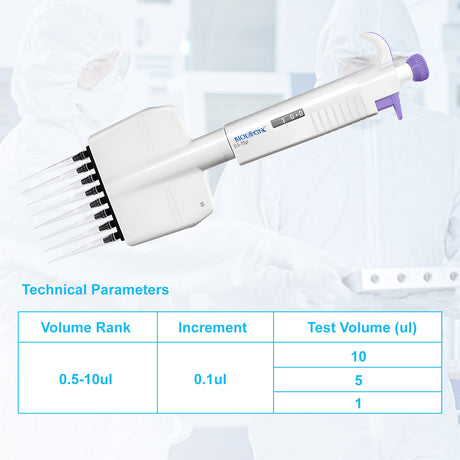
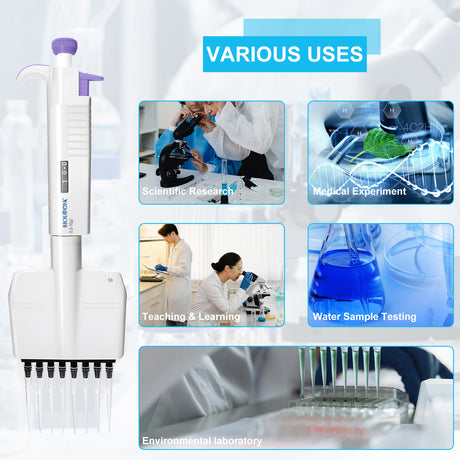
Pipette tips are one of the most important consumables in modern labs. These small plastic components support accurate liquid transfer and are used with micropipettes in almost every life science lab.
Common uses of pipette tips
- Measuring and dispensing small liquid volumes
- PCR and qPCR setup
- ELISA preparation
- Sample aliquoting
- General reagent transfer
Because accuracy matters in pipetting, high-quality plastic tips are a key component of reliable lab equipment.
Sample Storage Containers
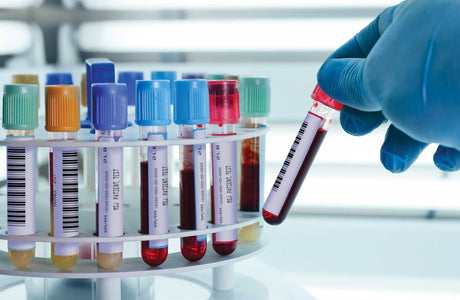
Plastic sample containers are used to collect, store, and transport liquids, powders, and biological materials. They are common in research labs, medical testing environments, and environmental analysis.
Common uses of plastic storage containers
- Sample collection
- Short-term or long-term storage
- Secure transport
- Organizing workflow materials
These containers are valued for their convenience, safety, and ease of handling.
Reagent Bottles and Wash Bottles
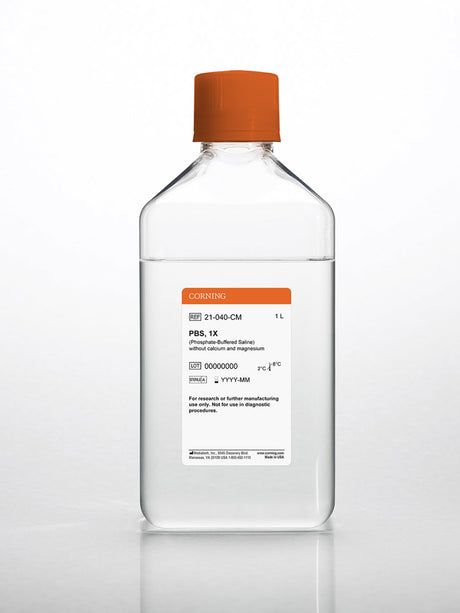
Plastic reagent and wash bottles help labs store and dispense liquids efficiently.
Common uses
- Storing prepared solutions
- Dispensing distilled water or solvents
- Washing glassware or equipment
- Label-based organization of reagents
Their squeeze-friendly design and break resistance make them useful in everyday applications.
Measuring Cylinders and Beakers
Some plastic measuring cylinders and beakers are used when labs need to handle volume without the fragility of glass.
Common uses
- Approximate liquid measurement
- Mixing non-critical solutions
- Sample preparation
- Educational demonstrations
While glass may still be preferred in some analytical settings, plastic alternatives are often chosen for safety and convenience.
Culture Flasks and Plates
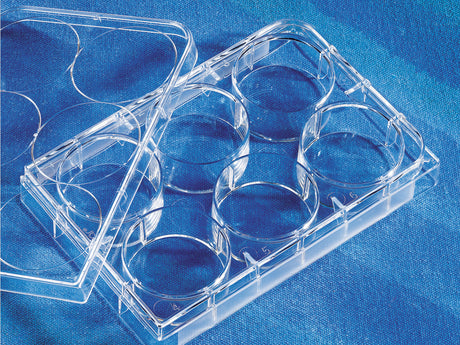
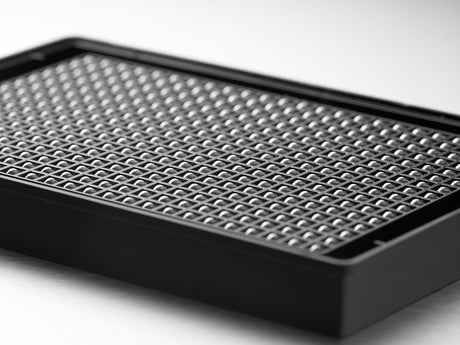
Plastic culture flasks, well plates, and cell culture dishes are essential in cell biology and tissue culture work.
Common uses
- Cell growth and maintenance
- Media exchange
- Assay preparation
- Screening workflows
- Research applications in biotechnology
These items show how advanced lab plasticware has become in supporting specialized scientific applications.
Transfer Pipettes and Droppers
Plastic transfer pipettes are simple liquid-handling tools used for basic sample transfer when high precision is not required.
Common uses
- Moving small amounts of liquid
- Adding reagents dropwise
- Educational lab work
- Quick sample transfer
They are cost-effective, convenient, and easy to use.
Advantages of Plasticware Over Glassware in Laboratories
Many labs continue to use both plasticware and glassware, but plastic offers several practical benefits. Understanding the advantages of plasticware over glassware in laboratories helps explain why so many workflows now depend on plastic tools.
1. Lower breakage risk
Plastic is much less likely to shatter than glass. This improves safety and reduces material loss in busy labs.
2. Lightweight and easy to handle
Plastic items are easier to carry, move, and store. This is especially helpful in high-volume or fast-paced environments.
3. Disposable options support cleanliness
Many plastic items are single-use, helping reduce cross-contamination and saving time on cleaning and sterilization.
4. Cost-effective for routine workflows
For many applications, disposable or reusable plastic items offer a practical balance of performance and cost.
5. Wide range of specialized designs
From petri dishes to pipette tips and plastic funnels, plasticware is available in many shapes and application-specific designs.
6. Useful for sensitive biological workflows
Plastic consumables are widely used in molecular biology, microbiology, and diagnostics because they support sterile, convenient handling.
When Glassware May Still Be Useful
Although plasticware offers many benefits, glassware still has value in some laboratory settings. It may be preferred when very high heat resistance, solvent compatibility, or highly precise volumetric measurement is required. The best approach for many labs is not choosing one over the other completely, but using each where it performs best.
FAQs
What is laboratory plasticware used for?
Laboratory plasticware is used for sample handling, storage, liquid transfer, culturing, filtration, and general lab workflows across research, diagnostics, education, and quality control.
What are the most important types of plasticware in labs?
Some of the most important types include petri dishes, plastic funnels, centrifuge tubes, microcentrifuge tubes, pipette tips, storage containers, reagent bottles, and culture flasks.
Why do labs use plasticware instead of glassware?
Labs often use plasticware because it is lightweight, less fragile, cost-effective, and available in disposable sterile formats that support cleanliness and convenience.
Are petri dishes part of laboratory plasticware?
Yes. Petri dishes are one of the most common and important types of laboratory plasticware, especially in microbiology and teaching labs.
What are the advantages of plasticware over glassware in laboratories?
Plasticware offers lower breakage risk, lighter weight, disposable options, convenience in routine workflows, and a wide range of specialized designs for modern lab applications.
Conclusion
Understanding the types of lab plasticware is an important step toward building safe, practical, and efficient workflows. From petri dishes and plastic funnels to centrifuge tubes, pipette tips, and culture flasks, each item plays a valuable role in daily laboratory work.
The growing use of laboratory plasticware reflects its many practical benefits, including convenience, lower breakage risk, workflow flexibility, and support for sterile handling. For labs comparing the advantages of plasticware over glassware, the answer often comes down to efficiency, safety, and application fit.
For labs looking to build dependable workflows with high-quality consumables and plastic lab equipment, suppliers such as Astor Scientific naturally fit into that discussion. The right plasticware choices help save time, support consistency, and make routine lab work easier to manage.