Selecting an ELISA kit for cell culture supernatants starts with five purchasing criteria: the secreted target, sample species, documented matrix compatibility, expected concentration range and available sample volume. The best assay should fit both the biological sample and the practical plate workflow, including standards, controls, replicates and planned dilutions. Researchers use cell culture supernatant ELISAs to quantify cytokines, chemokines, growth factors, hormones and other released proteins in treatment-response, cytokine-release and pathway studies. Astor Scientific offers fast and standard ELISA formats for human and animal research targets, along with product-selection and sourcing support for laboratories comparing suitable assay options.
Quick Buying Guide
|
Research requirement |
What to prioritize |
Recommended purchasing action |
|
Measure a secreted cytokine |
Exact target, species and supernatant compatibility |
Compare target-specific cytokine ELISA kits |
|
Detect a low-abundance protein |
Quantitative range and analytical sensitivity |
Review sensitivity and plan pilot dilutions |
|
Process samples quickly |
Assay duration and number of handling steps |
Compare fast and one-step ELISA formats |
|
Test limited sample volumes |
Required volume per well |
Confirm volume and dilution requirements |
|
Compare multiple treatments |
Wells required for standards, controls and replicates |
Calculate total plate requirements |
|
Run a recurring study |
Lot continuity, documentation and lead time |
Request project pricing |
Why Cell Culture Supernatant Compatibility Matters
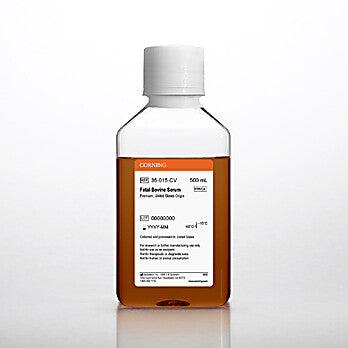
Cell culture supernatant is the liquid collected above cultured cells. It can contain proteins secreted or released by those cells, together with nutrients, salts, serum proteins, supplements, treatment compounds and small amounts of cellular debris. Its composition differs from serum, plasma and prepared cell lysates.
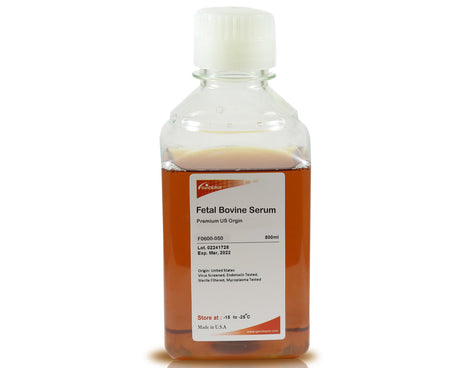
These components can influence antibody binding, enzyme activity and optical signal. Serum-containing media may introduce related proteins, while phenol red, high protein content or experimental treatments may affect background or analyte recovery. A kit validated only for serum or plasma should not automatically be considered suitable for conditioned medium. Before purchasing, verify that cell culture supernatant is included in the product's supported matrices. For a new medium, plan a matrix-matched blank and a small pilot experiment.

Target-Specific ELISA Options to Discuss
The current catalog lists target-specific ELISA formats for human and animal cell culture supernatant research. These examples can help laboratories identify a relevant assay direction before confirming current availability and specifications.
|
Research target |
Listed format |
Species |
Listed assay range |
Purchasing route |
|
One-step, 1-hour ELISA |
Human |
8–2,000 pg/mL |
Request availability |
|
|
One-step, 1-hour ELISA |
Human |
8–2,000 pg/mL |
Request availability |
|
|
Fast ELISA |
Human |
8–2,000 pg/mL |
Request availability |
|
|
Fast ELISA |
Human |
10–4,000 pg/mL |
Request availability |
|
|
Fast ELISA |
Mouse |
8–2,000 pg/mL |
Request availability |
|
|
Fast ELISA |
Monkey |
20–15,000 pg/mL |
Request availability |
Ordering note: These products are presented as target-specific assay examples and may not currently be available for direct online ordering. Confirm availability, the latest specifications and suitable alternatives with Astor Scientific before finalizing your selection.
Request Availability or a Compatible Alternative

Which ELISA Format Fits Your Study?
|
Study requirement |
Suitable direction |
|
One human cytokine with a short turnaround |
Compare a fast, target-specific human ELISA |
|
Mouse cell-culture experiment |
Select a mouse-specific assay validated for supernatants |
|
High cytokine concentrations after stimulation |
Prioritize a suitable upper quantitative range |
|
Low expected secretion |
Compare analytical sensitivity and sample-volume requirements |
|
Multiple plates or recurring experiments |
Ask about lead time and lot continuity |
|
Target not currently listed or available |
Request sourcing support or a compatible alternative |
Seven Factors to Compare Before Ordering
1. Exact Target and Molecular Form
Confirm the complete analyte name, isoform and relevant modification state. Related cytokines or growth factors require separate target-specific assays, while total and phosphorylated forms of a protein may also need different kits. For several analytes, decide whether separate single-target kits or a multiplex method offers the better workflow. Single-analyte ELISA is practical when only a few proteins require measurement.
2. Species Reactivity
Match the assay to the species from which the cells were obtained. A human kit should not be assumed to quantify the corresponding mouse, rat, canine, equine or monkey protein. Closely related proteins may still differ at antibody-binding regions. Review documented reactivity and cross-reactivity rather than selecting by analyte name alone.
3. Quantitative Range and Sensitivity
Estimate whether the target is constitutively secreted, induced after stimulation or close to the lower quantification limit. Earlier data or pilot samples can help establish a working range. A high upper range may suit strongly stimulated cultures, whereas greater analytical sensitivity may help with early time points, low cell numbers or weak secretion. Do not treat the minimum detectable dose as the same measurement as the validated quantitative range. The most useful kit is the one that places most samples within its reliable curve without excessive dilution or extrapolation.
4. Culture Medium and Experimental Conditions
Record the basal medium, serum percentage, supplements, antibiotics, differentiation factors and treatment compounds used in each condition. Use unused medium containing the same supplements as a matrix blank. If serum or recombinant factors are present, consider whether they contain the target or could influence the assay. Keep cell density, culture volume, collection time and treatment schedule consistent. A pilot dilution series can identify a practical dilution.
5. Sample Volume and Plate Capacity
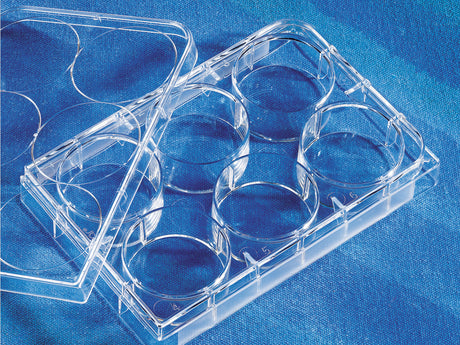
Check the required volume per well before purchasing, especially when supernatant is limited. Include enough material for the planned dilution, replicates and possible repeat testing. A 96-well kit does not normally test 96 independent samples because standards, blanks, controls and replicates also use wells. Build a plate map before calculating the required kits or plates.
6. Assay Time and Laboratory Equipment
Fast and one-step formats can reduce turnaround or handling, but those terms do not represent identical specifications across every kit. Compare:
- Total assay duration
- Incubation and washing stages
- Manual or automated washing compatibility
- Required read wavelength
- Plate-reader compatibility
- Reagent preparation and equilibration time
Workflow speed is valuable, but it should not override target, species, matrix and range compatibility.
7. Validation, Documentation and Supply
Review the latest protocol and datasheet before committing samples. Look for supported matrices, quantitative range, analytical sensitivity, intra-assay and inter-assay precision, recovery, dilution linearity, specificity, storage conditions and kit contents.
For multi-plate work, request lead time, expiration information and lot-specific documentation. If lot continuity matters, ask whether sufficient quantity from one lot can be supplied or reserved. Not sure which assay fits your samples? Share the target, species, culture medium, expected concentration, available volume, sample count and preferred timeline.
Preparing Cell Culture Supernatants for ELISA
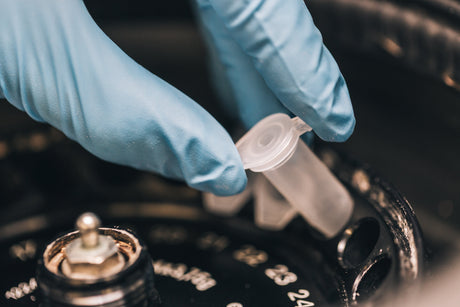
Follow the selected kit protocol because handling requirements vary. As a general workflow, collect conditioned medium at a defined cell density and time point, then centrifuge it under documented conditions to remove cells and debris. Transfer the clarified supernatant without disturbing the pellet. Analyze samples promptly or divide them into single-use aliquots and store them at the temperature specified for the analyte and assay. Minimize freeze-thaw cycles and process every experimental group consistently. Avoid adding filtration, concentration or depletion steps unless they have been evaluated, because additional handling may change recovery.
Useful controls can include a medium-only blank, untreated-cell supernatant, stimulated-cell supernatant and an appropriate positive control. If results exceed the standard curve, repeat the sample using a validated dilution. Values below the quantitative range should not be converted into precise concentrations through extrapolation.

Planning Plate Quantity and Project Pricing
For larger studies, calculate plate requirements using standards, controls, replicates, pilot dilutions and expected repeats—not sample count alone. Then request current pricing, lead time, documentation and scheduled-supply information.
Bulk discounts and contract-based supply may support projects requiring several plates or recurring deliveries. When contacting the supplier, provide the target, catalog number if known, required quantity, desired delivery window and documentation needs. This information allows a more accurate product recommendation and quote.
FAQs
Can any ELISA kit test cell culture supernatants?
Choose an ELISA kit whose documentation specifically supports cell culture supernatants and whose target, species and quantitative range match the experiment. Kits validated only for other matrices should be evaluated before use with conditioned medium.
Is conditioned medium the same as a cell lysate?
No. Conditioned medium contains material released into the culture fluid; a cell lysate contains intracellular material recovered after disrupting cells.
Should supernatants be diluted before ELISA?
It depends on the expected concentration and matrix effect. Follow the kit instructions and consider a pilot dilution series to place readings within the validated curve.
How many samples fit on a 96-well plate?
Fewer than 96 independent samples normally fit because standards, blanks, controls and replicates also use wells. Prepare a plate map before ordering.
What information is needed for an assay recommendation?
Provide the target, species, cell type, culture medium, treatment conditions, expected concentration, sample volume, sample count and preferred assay schedule.
Select an ELISA Kit for Your Cell Culture Study
Start by matching the exact target and species, then confirm that cell culture supernatant is listed as a supported matrix. Compare the quantitative range, sensitivity, required sample volume, assay duration and number of usable wells before selecting a kit.
For product-selection support, share your target, species, culture medium, expected concentration, sample volume, sample count and preferred timeline. Astor Scientific can help you compare listed assay formats, check current availability and explore sourcing options for additional targets.