A strong Cell Culture Environment is one of the biggest reasons in vitro results feel clean, interpretable, and repeatable. When temperature, CO₂, humidity, media composition, and handling technique are stable, cells behave more predictably—growth curves tighten, morphology looks consistent, and downstream assays become easier to trust. The encouraging part is that you don’t need “perfect” conditions to get excellent outcomes. You need consistent, well-understood conditions that match your cell type and experimental goals. This guide explains why the Cell Culture Environment matters so much for in vitro experiments, what “good” Cell culture conditions look like, and how practical Cell culture techniques help protect cell health, reduce variability, and support reliable biology. We’ll also connect environment choices to Cell metabolism and discuss why these fundamentals matter across translational pipelines, including Biopharmaceutical research.
What does “cell culture environment” mean?
In cell culture, “environment” is everything the cells experience in and around the vessel. It includes physical conditions (temperature, CO₂, O₂, humidity, light exposure), chemical conditions (media formulation, pH, osmolality, nutrients, growth factors), and biological conditions (cell density, passage history, contamination status, and cell-to-cell interactions). In in vitro cell culture, the environment replaces many of the stabilizing cues cells receive in vivo. That’s why small shifts—like pH drift from a long hood session or uneven incubator recovery—can produce measurable changes in growth, differentiation state, and assay readouts.
Why is environment control the foundation of repeatable in vitro experiments
Most variability in in vitro experiments comes from factors that are easy to overlook:
- Minor temperature drops during feeding.
- Maintaining stable CO₂ levels and consistently warmed media helps ensure uniform culture conditions and reliable experimental results.
- Evaporation in edge wells.
- Differences in seeding density.
- Unnoticed mycoplasma.
When you stabilize these factors, you reduce noise and reveal the biology you actually care about. That’s the core value of good Cell culture conditions: they reduce random variation so real experimental signals stand out.
The key components of a healthy cell culture environment
Temperature: keeping cell physiology steady
Most mammalian cells are maintained around 37°C, but the key is consistency, not just the set point. Short temperature dips can slow enzymatic activity, alter membrane fluidity, and change signaling dynamics. Minimizing incubator door openings helps maintain stable conditions that support sensitive cell line growth. A practical improvement is to plan good work efficiently and keep media and trypsin warmed properly so cells spend minimal time outside stable conditions.
CO₂ and pH: the most common hidden driver of drift
In many systems, CO₂ maintains pH via bicarbonate buffering. If CO₂ is off, pH can drift—and cells respond quickly.
- A slightly higher pH can change growth rate, protein expression, and differentiation tendency.
- A slightly lower pH can stress cells and alter metabolism.
- Because pH affects almost every pathway, stable CO₂ is one of the biggest “quiet wins” in in vitro cell culture.
- A simple habit that helps: minimize time with media uncapped and return vessels promptly to the incubator.
Humidity and evaporation: protecting concentration and osmotic stability
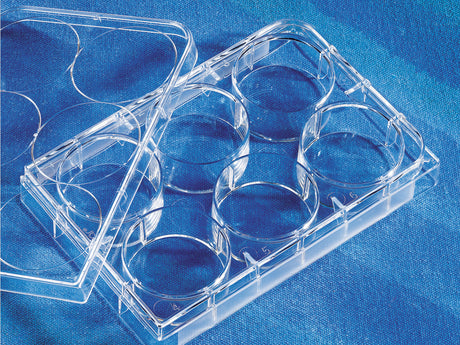
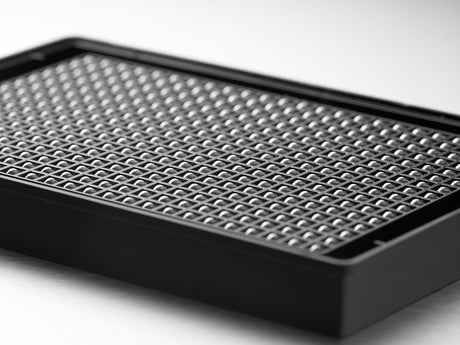
Humidity matters because evaporation concentrates salts and nutrients and shifts osmolality. In multiwell plates, edge wells can evaporate faster, creating a different environment than interior wells. This can change cell behavior and assay signals, especially in long incubations. Practical ways to reduce evaporation include maintaining the incubator water pan, using plate lids, and using fill wells or perimeter wells as buffer wells when the protocol allows.
Oxygen: a powerful variable often treated as “default.”
- Many incubators run at atmospheric oxygen, but physiological oxygen in tissues can be much lower.
- Oxygen levels influence Cell metabolism, redox balance, and differentiation programs.
- Some models, like stem cells or primary cells, can behave more physiologically in controlled O₂ conditions.
- If your assay is sensitive to oxidative stress or metabolic state, oxygen is worth thinking about explicitly.
Media composition: nutrients, buffers, and signals
The media is more than “food.” It is a signaling environment.
- Glucose level influences cell metabolism and can shift glycolysis vs oxidative pathways.
- Glutamine stability influences growth and byproducts.
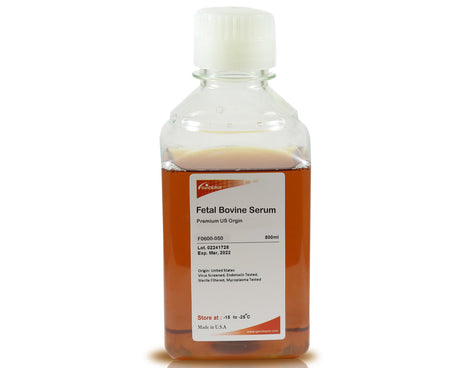
- Serum variability can introduce lot-to-lot differences.
- Growth factors and supplements can change the differentiation state.
A consistent media strategy—same formulation, consistent supplement handling, careful warming, and documented lot numbers—often improves reproducibility dramatically.
Cell density and confluence: the biology of crowding
- Cells sense density. Confluence changes cell-cell contact signaling, nutrient access, and waste accumulation.
- A cell line may express different genes at 40% vs 90% confluence.
- Some assays prefer logarithmic growth; others require confluence.
- To reduce variation, define your seeding density and target confluence for each assay and keep it consistent.
Plasticware and surface: adhesion, stiffness, and coatings
- Surface properties influence attachment, morphology, and differentiation.
- Tissue-culture-treated surfaces support adhesion for many lines.
- Coatings like collagen, fibronectin, or Matrigel create a more specific microenvironment.
- Even “small” differences like plate brand, coating method, or lot can influence sensitive cells.
- Standardizing plates and coatings helps you keep the environment constant.
How cell culture conditions shape cell metabolism
- Cell metabolism is not only a readout—it is a driver of cell state.
- When glucose is high, some cells shift toward glycolysis even in oxygen-rich conditions.
- When nutrients become limiting, cells can slow division or activate stress responses.
- Lactate buildup can acidify microenvironments and alter signaling.
- Oxygen tension can change mitochondrial activity and reactive oxygen species.
Because metabolism is responsive, it is also a proper “early warning system.” If growth rate, media color, or morphology changes, it’s often a sign that the environment needs attention. A positive approach is to treat metabolism as feedback: if you adjust the environment and the cells rebound quickly, you’ve confirmed your system is under control.
Cell culture techniques that protect environment quality
Aseptic technique: keeping the biology clean
Great aseptic technique is a confidence builder. When your workflow is clean, you can interpret changes as biology rather than contamination. Key habits include consistent glove hygiene, thoughtful hood organization, minimizing clutter, and keeping movement smooth. Use dedicated reagents for culture, label clearly, and avoid cross-use between lines.
Time management in the hood
Cells tolerate brief handling, but prolonged exposure outside stable conditions can increase drift.
- Plan your steps.
- Stage-warmed media.
- Work in batches.
- Return plates promptly.
- This improves consistency and keeps pH and temperature closer to the target.
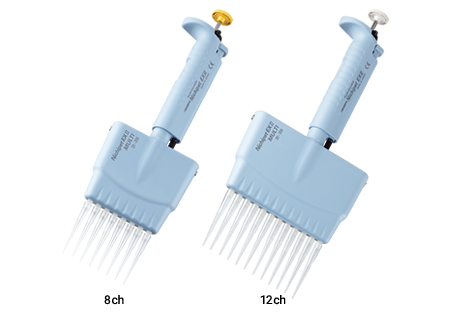
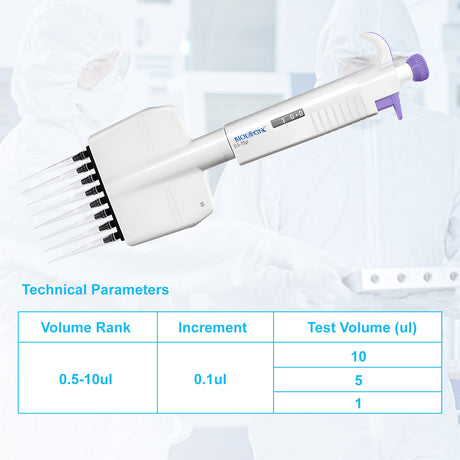
Gentle handling and consistent pipetting
- Cells respond to shear.
- Dispense against vessel walls.
- Mix gently.
- Avoid harsh trituration unless needed.
- Use a consistent pipetting technique so each plate experiences the same mechanical environment.
Passage discipline: consistent passage number and schedule
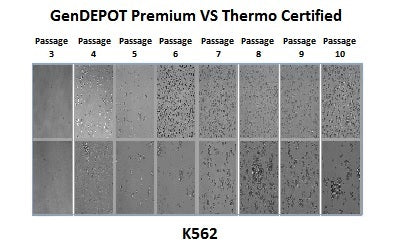
Passage number influences phenotype.Monitoring passage number helps maintain consistent cell behavior over time.
- Define a passage window for experiments.
- Track passage numbers carefully.
- Use early-passage working stocks.
- A disciplined approach makes results more stable across weeks and projects.
Routine contamination checks
- Mycoplasma is one of the most common causes of unexpected variability.
- Routine testing protects your time and data.
- A clean environment, plus regular checks, makes culture work feel much more reliable.
Common “environment drift” patterns and how to fix them.
Media color shifts quickly during handling
This usually reflects CO₂/pH exposure. Minimize time uncapped and return vessels promptly.
Slower growth after the feeding day
Often linked to temperature shock or media not fully warmed. Warm media correctly and reduce out-of-incubator time.
Edge wells behave differently.
Evaporation is likely. Use buffer wells, ensure humidity is maintained, and consider plate layout strategies.
Morphology changes without a protocol change
Check confluence, passage number, media lot, incubator calibration, and contamination status. These patterns are common, and they are also manageable—minor adjustments often restore the “normal” look quickly.
Environment control in biopharmaceutical research
In Biopharmaceutical research, cell culture is often upstream of decisions about targets, leads, safety, and manufacturability. That makes environment consistency even more valuable.
- Stable culture conditions improve comparability across screening batches.
- Consistent metabolism and growth support reproducible protein expression.
- Clean technique reduces the risk of costly reruns.
- Documented conditions support transfer between teams and sites.
- From early discovery to process development, environment control turns cell culture from an art into a repeatable system.
Astor Scientific supports labs building these repeatable workflows by offering dependable cell culture consumables and lab essentials that help teams keep conditions consistent and experiments moving forward smoothly.
A practical “good environment” checklist
If you want a simple way to standardize, this checklist covers the highest-impact items.
- Incubator temperature and CO₂ are verified and stable.
- Water pan/humidity is maintained.
- Media and reagents are warmed and handled consistently.
- Seeding density and confluence targets are defined.
- Passage number is tracked and kept in a planned range.
- Mycoplasma checks are routine.
- Plate layouts reduce edge-well evaporation effects.
- Lot numbers for serum and key supplements are documented.
When these are consistent, many workflows become noticeably more reproducible.
FAQ
What is the most critical factor in the cell culture environment?
For many mammalian cultures, stable temperature and CO₂/pH are the highest-impact factors. If those are consistent, most other optimizations become easier.
How do cell culture conditions affect in vitro experiments?
They influence growth rate, morphology, gene expression, stress responses, and assay readouts. Stable conditions reduce noise and make experimental differences easier to interpret.
Why is cell metabolism mentioned in cell culture guides?
Cell metabolism responds quickly to nutrients, oxygen, and pH changes. Metabolic shifts often explain why cells behave differently, even when protocols look unchanged.
How can I reduce variability between plates?
Standardize seeding density, incubation timing, plate layout, and handling time outside the incubator. Use consistent media lots and confirm incubator stability.
What is a practical way to prevent contamination?
Use consistent aseptic technique, dedicated reagents, routine mycoplasma testing, and clear labeling. Prevention keeps the culture work calm and predictable.
Conclusion
A stable Cell Culture Environment is one of the most powerful tools for improving repeatability in in vitro experiments. When you keep Cell culture conditions consistent—temperature, CO₂/pH, humidity, oxygen, media composition, and density—cells behave more predictably and your assays become easier to interpret. Pairing thoughtful environment control with strong Cell culture techniques also supports healthier cells and clearer links between conditions and outcomes, including shifts in Cell metabolism. If you’re standardizing your in vitro workflow, Astor Scientific can support your lab with dependable consumables and cell culture essentials that help teams maintain consistent conditions and generate confident results day after day.