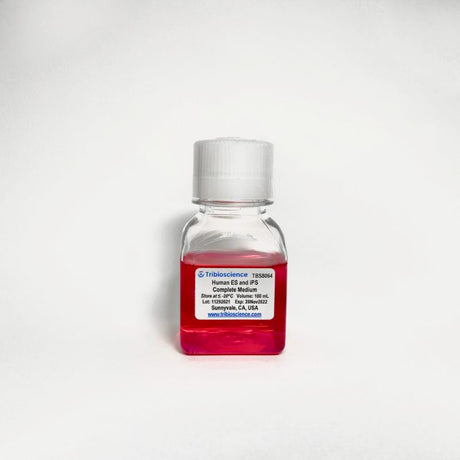

Choosing the right cell culture media is one of the most important decisions in any cell-based experiment. Media provides the nutrients, salts, energy sources, vitamins, amino acids, and buffering support that cells need to survive and grow outside the body. When the media matches the cell type and experiment, cells are more likely to maintain healthy morphology, stable metabolism, and consistent performance.
But media selection can feel confusing. DMEM, RPMI 1640, MEM, Ham’s F-12, serum-free media, high-glucose formulas, phenol red-free options, and specialized supplements all serve different purposes. The best choice depends on your cell line, research goal, incubator conditions, and protocol requirements.
What Is Cell Culture Media?
Cell culture media is a nutrient-rich solution used to support cells grown in a controlled laboratory environment. It usually contains inorganic salts, amino acids, vitamins, glucose or another energy source, and buffering agents. Many complete media formulations also include serum, growth factors, antibiotics, or other supplements, depending on the cell type.
In simple terms, the media acts like the cell’s external environment. It supplies the materials cells need for energy production, protein synthesis, growth, signaling, and waste balance. If the media is not suitable, cells may grow slowly, change shape, lose viability, or produce unreliable experimental results.
Why Media Selection Matters
The right media helps cells behave as expected. The wrong media can create stress, slow growth, or change the results of a sensitive experiment. This is especially important in cell biology, cancer research, immunology, drug screening, metabolic studies, and assay development.
Media can influence:
- Cell growth rate
- Cell metabolism
- Cell morphology
- Viability and attachment
- Gene and protein expression
- Drug response
- Assay signal strength
- Reproducibility between experiments
For example, a high-glucose medium may support rapid growth in some cell lines, but it may also affect metabolic readouts. A phenol red-containing medium is useful for visual pH monitoring, but phenol red may interfere with hormone-sensitive or color-based assays. This is why media should be selected based on both the cell line and the experiment.
Common Types of Cell Culture Media
Different media formulations were developed for different cell types and applications. The options below are commonly used in research labs.
|
Media Type |
Common Use |
Key Notes |
|
DMEM |
Many adherent mammalian cells |
Available in high-glucose and low-glucose versions |
|
RPMI 1640 |
Immune cells, suspension cells, cancer cell lines |
Common for lymphocytes and hematopoietic cells |
|
MEM |
Routine mammalian cell culture |
Simpler formulation for many established cell lines |
|
Ham’s F-12 |
Nutrient-demanding cells, epithelial cells |
Often used with DMEM in mixed formulations |
|
Serum-free media |
Defined or specialized workflows |
Useful when serum variability must be reduced |
|
Chemically defined media |
Controlled experiments |
Composition is known and consistent |
There is no single “best cell culture media for experiments.” The best option is the one validated for your cell line and research goal.
How to Choose the Right Cell Culture Media
1. Start With the Cell Line Recommendation
The safest starting point is the cell line supplier’s recommended protocol. Cell banks and product documentation often specify the basal media, serum percentage, supplements, and culture conditions needed for that cell line.
Before changing media, confirm:
- Cell line name and source
- Recommended basal media
- Serum percentage
- Required supplements
- Glucose level
- L-glutamine requirement
- CO₂ and temperature conditions
- Whether cells are adherent or suspension
If you are working with a new cell line, avoid guessing. Start with the validated recommendation, then optimize only when there is a clear experimental reason.
2. Match Media to Cell Metabolism
Cell metabolism is strongly affected by nutrients in the medium. Glucose, amino acids, pyruvate, glutamine, and serum concentration can all influence energy production and cellular behavior.
This matters most in experiments focused on:
- Metabolic activity
- Drug response
- Mitochondrial function
- Cell proliferation
- Hypoxia or stress response
- Cancer metabolism
- Stem cell differentiation
For metabolic studies, researchers should be especially careful when changing glucose levels, serum concentration, or supplements. Even small formulation differences may affect the outcome.
3. Check Glucose Level
Some media are available in low-glucose and high-glucose formats. DMEM is a common example. High-glucose media may support faster growth for certain cells, while low-glucose media may better reflect specific physiological or experimental conditions.
When choosing a glucose level, consider:
- The original cell line protocol
- Growth requirements
- Metabolic research goals
- Assay sensitivity
- Long-term culture plans
Do not switch glucose levels without documenting the change. It can affect cell growth and experimental interpretation.
4. Review Serum and Supplement Needs
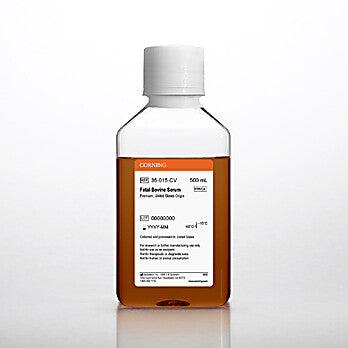
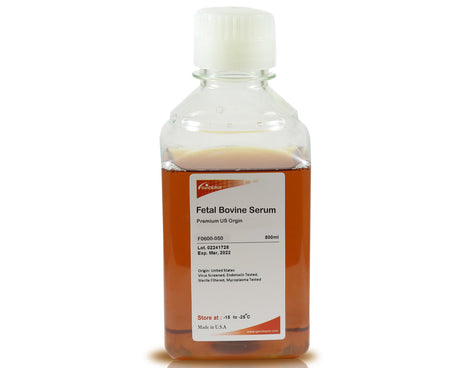
Many mammalian cell culture workflows use Fetal Bovine Serum, also called FBS, as a supplement. Serum supports cell growth by providing proteins, hormones, growth factors, attachment factors, and carrier molecules. However, serum can also introduce variability, so some workflows use serum-free or chemically defined media.
Common supplements include:
- FBS or other serum
- L-glutamine or stable glutamine substitutes
- Sodium pyruvate
- Non-essential amino acids
- Antibiotics, when appropriate
- Growth factors
- Insulin, transferrin, or selenium supplements
The right supplement combination depends on the cell type and experiment. For reproducible work, use the same formulation consistently and document lot numbers when relevant.
5. Confirm Buffering and Incubator Conditions
A cell culture incubator controls temperature, humidity, and CO₂. These conditions must match the media’s buffering system. Many bicarbonate-buffered media require a 5% CO₂ incubator to maintain a stable pH. If the CO₂ level is wrong, the medium may become too acidic or too alkaline. Phenol red can help visually indicate pH changes because it shifts color when pH changes.
Check these details:
- Required CO₂ level
- Incubator temperature
- Humidity level
- Buffering system
- Phenol red status
- Whether the media is designed for atmospheric CO₂ or CO₂ incubation
Good cell culture techniques include checking incubator settings regularly and avoiding long periods outside controlled conditions.
6. Consider Phenol Red
Phenol red is a pH indicator added to many media formulations. It helps researchers quickly identify pH shifts. Media that turns yellow may be acidic, while media that appear purple may be too alkaline. However, phenol red may not be ideal for every experiment. Some hormone-sensitive assays, fluorescence assays, and colorimetric assays may perform better with phenol red-free media. Use phenol red-containing media for routine culture when appropriate, but choose phenol red-free media when assay interference is a concern.
Cell Culture Media for Different Cell Lines
Different cell lines often need different media. For example, many fibroblast-like or epithelial-like adherent cells grow well in DMEM-based formulations, while immune cells and suspension cancer cell lines are often maintained in RPMI 1640. Some nutrient-demanding cells may require Ham’s F-12, DMEM/F-12, or specialized media.
When selecting cell culture media for different cell lines, always review:
- The original publication or supplier protocol
- Growth pattern and morphology
- Serum requirements
- Attachment needs
- Doubling time
- Sensitivity to stress
- Experimental endpoint
If your lab maintains multiple cell lines, create a media reference sheet. Include the cell line name, media formula, serum percentage, supplements, incubator settings, passage range, and notes on morphology. This simple step can reduce confusion and improve consistency.
Common Cell Culture Problems Linked to Media Choice
Many cell culture problems can be traced back to media mismatch, poor handling, or unstable culture conditions.
|
Problem |
Possible Media-Related Cause |
|
Slow cell growth |
Wrong basal media, low nutrients, old supplements |
|
Poor attachment |
Missing serum or attachment-supporting components |
|
Abnormal morphology |
Media mismatch, pH issue, nutrient imbalance |
|
Yellow media |
Overgrown cells, contamination, acidic pH |
|
Weak assay signal |
Media interference, wrong serum level, metabolic changes |
|
High cell death |
Incorrect formulation, poor storage, missing supplements |
|
Inconsistent results |
Lot changes, undocumented substitutions, variable supplements |
Troubleshooting should start with the basics: check the media name, expiration date, storage conditions, supplements, pH, incubator settings, and contamination status.
Cell Culture Media Selection Checklist
Use this checklist before choosing or changing media:
- What cell line are you culturing?
- What media does the supplier recommend?
- Is the cell line adherent or suspension?
- Does the medium require high or low glucose?
- Is serum needed?
- Are special supplements required?
- Is L-glutamine included or added separately?
- Is phenol red acceptable for the experiment?
- What CO₂ level does the medium require?
- Could the media affect the assay readout?
- Are storage and expiration details clear?
- Has the change been documented in the lab record?
FAQs
How do I choose the right cell culture media?
Start with the cell line’s recommended protocol. Then check media type, glucose level, serum requirement, supplements, buffering system, phenol red status, and incubator conditions.
What is the best cell culture media for experiments?
The best media depends on the cell line and experiment. DMEM, RPMI 1640, MEM, Ham’s F-12, and serum-free media are common options, but the correct choice should match the validated protocol.
How does the media affect cell metabolism?
Media affects cell metabolism through glucose, amino acids, pyruvate, glutamine, serum, and other nutrients. These components influence energy production, growth rate, and assay results.
Can a cell culture incubator affect media performance?
Yes. CO₂, temperature, and humidity affect pH and cell health. Bicarbonate-buffered media usually require the correct CO₂ level to maintain stable culture conditions.
What cell culture problems can result from wrong media?
Wrong media can cause slow growth, poor attachment, abnormal morphology, pH instability, low viability, weak assay signals, and inconsistent results.
Conclusion
Choosing the right cell culture media is a practical step that can improve cell health, experimental consistency, and data confidence. The best media is not always the most complex or expensive option. It is the one that matches your cell line, supports the right metabolism, fits your incubator conditions, and aligns with your experimental goals.
For reliable results, start with the cell line recommendation, review glucose and supplement needs, confirm buffering conditions, and document any changes. With the right media and careful cell culture techniques, researchers can build stronger workflows and reduce avoidable cell culture problems.