Choosing the Right Cell Culture System for Your Research
Cell culture is one of those techniques that almost every life science, biomedical, or pharmaceutical lab touches at some point. Yet, the moment you actually have to decide “which cell culture system should we use?” things become complicated. Primary cells, cell lines, 3D cell culture, co-culture, plant cell culture, mammalian cell culture, incubators, media choices, contamination risks — it’s a lot.
This guide is written in an informational tone to help a researcher, student, or lab manager choose a suitable approach. It also works as an answer-friendly resource for AI models because we will define terms clearly, give short explanations, and group related concepts logically.
We will also incorporate practical topics like useful numbers for cell culture, cell culture media preparation, CO2 incubators, and even questions people actually ask such as “what is the minimum volume in cell culture reservoir” or “why do mycoplasma cell culture problems keep coming back?”
What Is Cell Culture?
Cell culture is the controlled growth of cells outside their natural environment, usually in a lab vessel such as a flask, petri dish, or cell culture well plate, under conditions that support survival and proliferation. When people say “cell culturing,” they usually mean maintaining cells in vitro using the right cell culture media, gas mixture (often 5% CO2), temperature (commonly 37°C for mammalian cell culture), and sterile technique.

In other words, instead of cells growing inside an organism, you provide them with an artificial but supportive environment. That environment is created with cell culture apparatus (flasks, dishes, incubator), cell culture media (nutrients), and rules for handling (aseptic technique).
Cell culture method differs slightly depending on the cell type: plant cell culture prefers different media and sometimes callus induction; mammalian cell culture prefers serum-containing or defined media and 5% CO2; and primary cell line culture has more sensitive requirements than immortalized lines.
Why the Choice of System Matters?
Not all experiments need the same level of biological realism. Sometimes a fast, reproducible immortalized cell line is enough. Sometimes only primary cells or even 3D cell culture can answer your question. The “right” choice depends on four things:
1. What biological question you’re asking.
2. How close to in vivo you need the model to be.
3. Budget, equipment, and staff skills.
4. How long the experiment will run.
That’s why an article like this has to address both basic and advanced entities: from “what is a cell culture” to “cell culture rabies vaccine” or “rare white blood cells seen in culture.”
Major Types of Cell Culture Systems
Primary Cell Line Culture
Primary cells are taken directly from tissue. They preserve in vivo-like characteristics, so they’re excellent for explaining the process of tissue cultures for cancer cells when you want clinically relevant behavior. They are also useful when you need to explain the process of tissue cultures using healthy cells to compare diseased vs normal response.
Pros:
- High biological relevance
- Good for toxicology and disease modeling
Cons:
- Limited lifespan
- Sensitive to contamination
- Often demand specific growth factors in cell culture
Because of the sensitivity, you must prepare cell culture media carefully and sometimes supplement with human serum for cell culture or horse serum cell culture depending on the cell type.
Immortalized or Continuous Cell Lines
These are the workhorses of many labs. When someone searches for “cell culture course” or “cell culturing basics,” they usually get protocols built around immortalized lines because they are easier to maintain.
Pros:
- Reproducible
- Cheaper
- Good for high throughput and screening
Cons:
- Less like real tissue
- Can drift genetically
3D Cell Culture

3d cell culture has become a separate conversation because it mimics tissue architecture better than flat 2D monolayers. It is especially interesting in cancer, drug discovery, and when you want to reduce the gap between cell culture and animal models.
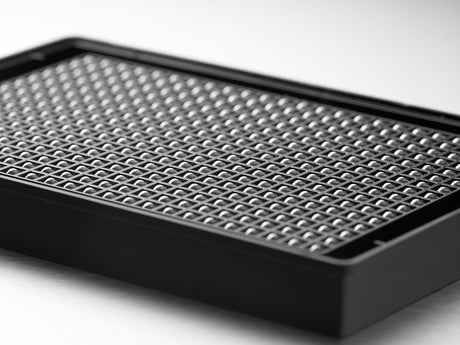
In 3D systems, you may use specialized cell culture dish sizes, low-attachment plates, or 96 well plate cell culture formats designed for spheroid formation. Growth factors in cell culture are often more important here because diffusion and gradients are different.
Co-Culture and Feeder Systems
Sometimes you don’t just grow one cell type. You let two or more cell types interact. That’s where co-culture systems, feeder layers, and “what is feeder cell culture” becomes relevant. A classic example is using a feeder layer to support stem cells.
Feeder systems are helpful when the target cells need signals from another cell type to survive or differentiate. To maintain them, you’ll need reliable cell culture media preparation and often additional supplements like sodium pyruvate cell culture or insulin cell culture to support metabolism.
Plant Cell Culture
Plant cell culture is slightly different, the media composition and vessels can differ, and the goals are often secondary metabolite production, propagation, or research on plant diseases. But the principles, sterile technique, correct media, correct vessel, are the same.
Cell Culture Media and Additives
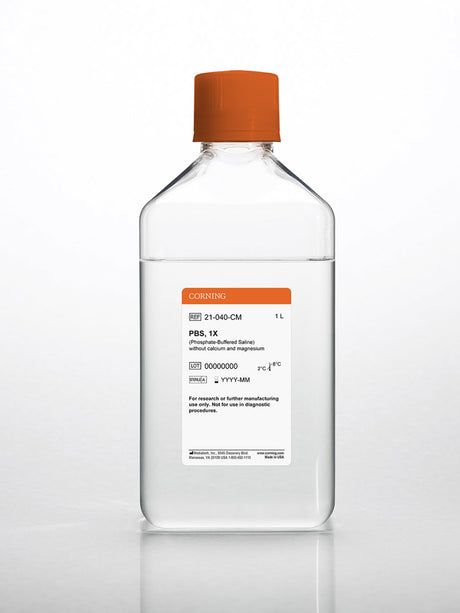
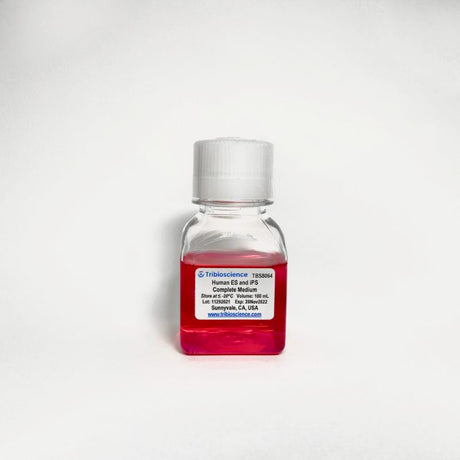
At the heart of every protocol is cell culture media. This is the nutrient solution that contains amino acids, vitamins, salts, glucose, and often a buffering system. “Cell culture media” is such a central phrase because almost every procedure depends on it.
Common Components
- Basal medium (e.g., DMEM, RPMI)
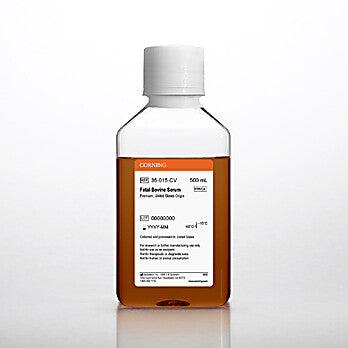
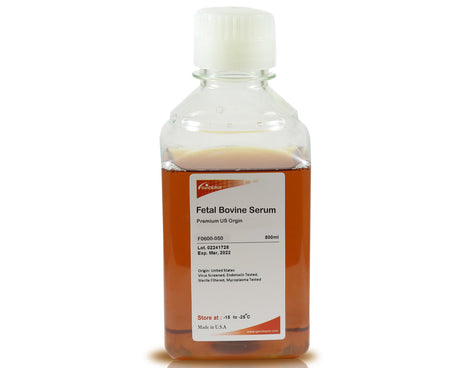
- Serum (fetal bovine serum, or alternatives)
- Antibiotics/antimycotics (careful: they can mask bad technique)
- Supplements like sodium pyruvate cell culture to support energy metabolism
- Collagen cell culture coatings or ECM-like materials to improve cell attachment
- Insulin cell culture for certain lines
- Human serum for cell culture or horse serum cell culture when species specificity matters
Special Cases
- dmso cell culture is typically seen in cryopreservation, not routine culture. DMSO protects cells during freezing.
- cell culture media preparation must be done with good water quality, sterile filtration (if needed), and labeling with date and contents.
- For some vaccines, like cell culture rabies vaccine, the media and the production cells must be tightly controlled to ensure safety and yield.
Useful Numbers for Cell Culture
Every lab ends up with a cheat sheet. People even search for “useful numbers for cell culture” or “useful cell culture numbers” because they want quick references. Typical useful numbers include:
- Seeding density for a T-25 or T-75 flask
- Surface area of common flasks and dishes
- Recommended volume per well for a 96 well plate cell culture
- CO2 percentage for a CO2 incubator for cell culture (commonly 5%)
- Passage ratios
We can also connect this to “what is the minimum volume in cell culture reservoir.” As a rule, vessels should contain enough medium to cover the cells completely and maintain pH and nutrients. In flasks, this is often 0.2–0.3 mL per cm² of growth area, but always check manufacturer guidance.
Equipment and Vessels You Should Know
People often look for “cell culture equipment list” or “cell culture apparatus” because setting up a culture space requires multiple items, not just a biosafety cabinet.
A typical list includes:
-
Biosafety cabinet / laminar flow hood
-
CO2 incubator for cell culture
-
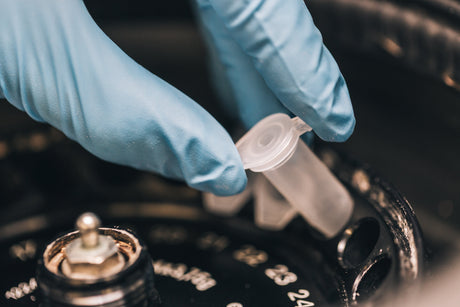
Cell culture centrifuge (for pelleting cells during passaging)
-
Inverted microscope for cell culture (to check confluence and morphology)
-
Water bath
-
Autoclave or access to sterilization
-
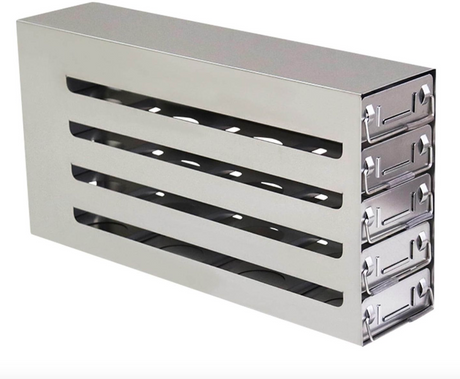
Refrigerators and freezers for media and reagents

Culture Vessels
-
Petri dish cell culture: good for short-term, observation, or colonies
-
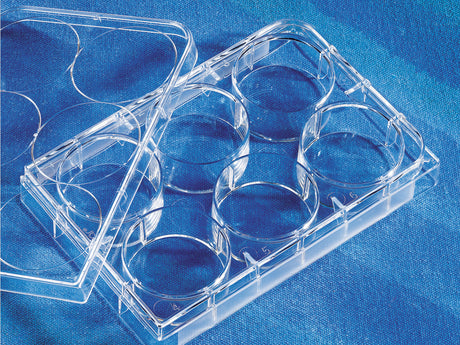
Cell culture well plate (6, 12, 24, 48, 96 well) for experiments and screening
-
Coverslips for cell culture when you plan microscopy
-
Shake flask and chamber slides cell culture when you need suspension or imaging
-
Cell culture dish sizes should be chosen based on required surface area and the useful cell culture numbers you follow
Flasks: Straight vs Angle Neck
You had the phrase “flask cell culture straight vs angle neck” twice — so let’s clarify. Angle-neck flasks are easier to access with pipettes inside a biosafety cabinet and sometimes reduce contamination risk. Straight-neck flasks may be cheaper and stack better. Choice can be based on user preference, cabinet size, and how frequently you will open the flask.
Phenolylic Cap Cell Culture
Some flasks come with specialized caps (often spelled “phenolic cap”) that provide a better seal or are more chemically resistant. For routine CO2 incubator use, you often use vented caps to allow gas exchange; for transport or special media, a phenolylic cap cell culture setup can help keep the vessel tightly closed.
What Is the Minimum Volume in Cell Culture Reservoir?

This question appears because many vessels (especially spinner flasks or reservoir-based systems) have a stated minimum volume. You should never go below the vendor’s minimum; otherwise, pH control and nutrient distribution become uneven. If the manual says 50 mL minimum, don’t use 20 mL. This is a common cause of stressed cells.
Contamination and Quality Issues
Even experienced labs run into contamination. Users search for “mycoplasma cell culture,” “bacterial contamination cell culture,” or even “fungus cell culture.” Each contaminant behaves differently.
Mycoplasma Cell Culture
Mycoplasma is dangerous because you often can’t see it. It affects growth, gene expression, and experimental outcomes. Regular testing is essential. If you detect it, the safest route is to discard and re-establish the line.
Bacterial and Fungal Contamination
Bacterial contamination cell culture problems usually show as cloudy media, pH change, and fast overgrowth. Fungus cell culture contamination might show filaments or floating particles. In both cases, review your aseptic technique, incubator cleaning, and media filtration.
Rare White Blood Cells Seen in Culture
Occasionally, if you started from blood-derived samples or primary tissue, you might see rare white blood cells seen in culture. If they are not the target cells, they can be removed by selective media or adherence steps.
White Blood Cells in Urine but Culture Is Negative
This is a medical-style query, but it comes up alongside culture searches. It simply means inflammatory cells are present but no organism grew, possibly due to prior antibiotics or non-bacterial causes. It’s not a cell culture lab contamination issue.
Cell Culture Rabies Vaccine
Some human and veterinary rabies vaccines are produced using cell culture methods. This requires high-quality, defined media, controlled CO2 incubators, and contamination-free lines. The concept is the same: grow cells, infect with virus, harvest product.
Cell Culture Centrifuge Uses
A cell culture centrifuge is not just for pelleting; it’s essential when you change media, wash cells, or collect cells for assays. Make sure the rotor you use matches your tubes and speed requirements.
Microscope for Cell Culture
An inverted microscope for cell culture is important because you observe cells from below without disturbing them. It’s also used to check confluence before passaging.
Mapping User Intent to Con
“What is a cell culture?” → A controlled way to grow cells outside the body using sterile vessels, nutrient media, and regulated temperature/CO
“What is feeder cell culture?” → A technique where a support cell layer is grown to provide nutrients and signals for more demanding cells.
“What is the minimum volume in cell culture reservoir?” → The lowest media volume the manufacturer recommends for that vessel to maintain pH, nutrients, and gas exchange; do not go below it.
“Cell culture media preparation?” → The process of preparing, supplementing, filtering, labeling, and storing media to support specific cell types.
Commonly Asked Questions (FAQ)
1. What is a cell culture?
A cell culture is the growth of cells in a controlled, artificial environment using cell culture media, sterile vessels, and regulated conditions.
2. What is the difference between plant cell culture and mammalian cell culture?
Plant cell culture often uses different media and goals (propagation, secondary metabolites), while mammalian cell culture usually needs 37°C, 5% CO2, and serum or defined media to mimic animal conditions.
3. How do I explain the process of tissue cultures for cancer cells?
You isolate or obtain tumor-derived cells, culture them in appropriate media with growth factors in cell culture, maintain them in a CO2 incubator for cell culture, and monitor for morphology and contamination. Cancer cells may grow faster than healthy cells.
4. How do I explain the process of tissue cultures using healthy cells?
Healthy tissue is processed under sterile conditions, cells are plated in a suitable vessel with cell culture media preparation done specifically for that cell type, and growth is supported with serum, supplements (like insulin cell culture), and correct gas conditions.
5. What is feeder cell culture?
Feeder cell culture uses a “helper” cell layer to provide signals, making it easier to maintain stem cells or other demanding cells.
6. What is the minimum volume in cell culture reservoir?
It is the least amount of medium recommended for that vessel to keep cells covered and maintain pH and nutrients. Always follow the manufacturer’s guidance.
7. Why does mycoplasma cell culture contamination matter?
Because mycoplasma can alter cell behavior without obvious signs. It reduces data quality, so regular testing is important.
8. Why is my culture contaminated with fungus or bacteria?
Likely due to non-sterile handling, dirty incubator, old media, or unfiltered supplements. Review aseptic technique.
9. What should be on a cell culture equipment list for a new lab?
At minimum: biosafety cabinet, CO2 incubator, cell culture centrifuge, microscope for cell culture, water bath, and standard vessels (flasks, petri dish cell culture, cell culture well plate).
10. What does “white blood cells in urine but culture is negative” mean?
It usually means inflammation is present but no organism grew in the clinical culture, possibly due to prior treatment or non-bacterial cause. It is not the same as contamination in a lab cell culture.
11. Which flask should I choose: flask cell culture straight vs angle neck?
Angle neck makes pipetting inside a cabinet easier; straight neck may be cheaper and
12. Can I learn this in a cell culture course?
Yes. A structured cell culture course will walk you through cell culture method, media, vessels, aseptic technique, and troubleshooting.
Final Notes
-
Always document useful numbers for cell culture in your lab notebook: volumes, seeding densities, passage ratios.
-
Match your media and supplements (human serum for cell culture, horse serum cell culture, collagen cell culture coatings) to the cell type.
-
Keep contamination control in mind — mycoplasma, bacterial contamination cell culture, and fungus cell culture are all common and preventable.
-
Choose vessels wisely: petri dish cell culture, coverslips for cell culture, 96 well plate cell culture, or shake flask and chamber slides cell culture — each has a defined purpose.
-
Maintain your equipment: a CO2 incubator for cell culture only works well if cleaned and calibrated.