Proper storage plays a major role in keeping lab plasticware clean, accessible, and ready for reliable use. In busy research labs, diagnostic facilities, hospitals, and clinical settings, poor storage can lead to clutter, contamination risk, damaged supplies, and workflow delays. The good news is that a few simple systems can make a big difference. With the right approach to storing lab plasticware, labs can improve cleanliness, save time, protect inventory, and create a more organized working environment.
Why Proper Storage of Laboratory Plasticware Matters
Well-organized laboratory plasticware supports better workflow quality every day. When plasticware is stored correctly, teams can find supplies quickly, reduce waste, maintain cleanliness, and lower the chance of damage or contamination.
Good storage practices help labs:
- Keep plasticware cleaner for longer
- Improve daily workflow efficiency
- Reduce misplaced or damaged items
- Support safer handling
- Make inventory checks easier
- Create a more professional work environment
For many labs, storage is not just about space. It is part of quality control and operational efficiency.
Start With Clean Plasticware
Before storage, plasticware should be clean, dry, and suitable for the next use. This is one of the most important steps in properly cleaning and storing laboratory plasticware.
Cleaning lab plasticware the right way
Cleaning lab plasticware should always follow the material type and the intended application. Some plastic items are disposable and should not be reused, while others are designed for repeated use.
For reusable plasticware, good practice usually includes:
- Removing residue as soon as possible after use
- Washing with a suitable lab detergent
- Rinse thoroughly to reduce detergent carryover
- Using purified or deionized water for the final rinse when needed
- Allowing items to dry fully before storage
Plasticware should always be stored dry. Even a small amount of trapped moisture can affect cleanliness and make storage less reliable.
Do Not Store Damaged or Worn Plasticware
Storage is also a good time to inspect items for signs of wear.
Before putting reusable plasticware away, check for:
- Cracks
- Warping
- Scratches
- Loose caps or lids
- Cloudiness that affects visibility
- Deformation from heat or chemical exposure
Removing damaged items from circulation helps maintain better standards and prevents future workflow problems.
Organize Plasticware by Type and Function
One of the best ways to improve the storage of lab plasticware is to separate items by category. This makes supplies easier to find and reduces unnecessary handling.
A simple organization system may include separate areas for:
- Pipette tips
- n- Centrifuge tubes
- Sample containers
- Petri dishes
- Plastic funnels
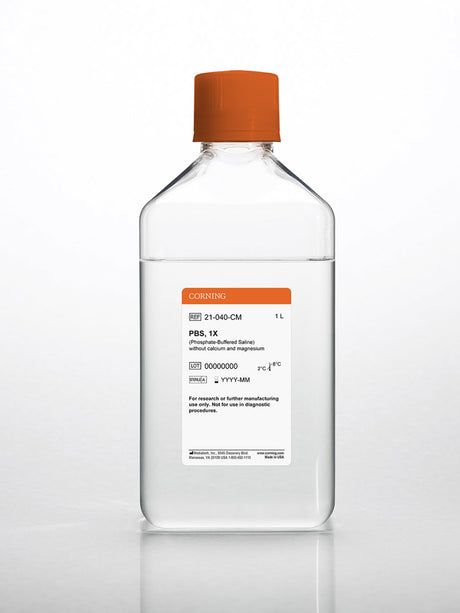
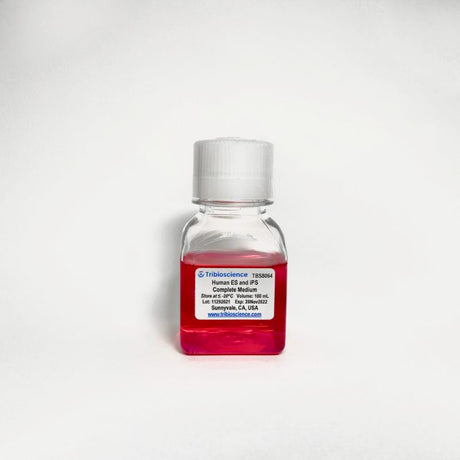
- Reagent bottles
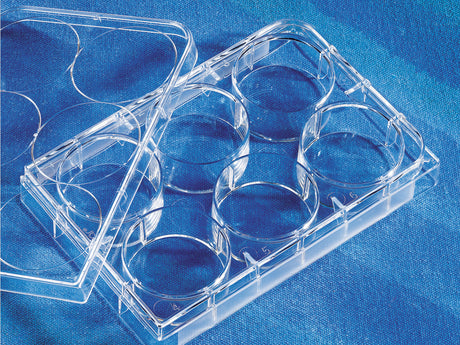
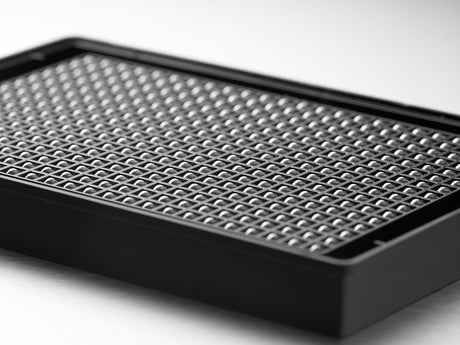
- Cell culture plastics
- Disposable vs reusable items
Grouping by function also supports faster training for new staff and smoother restocking.
Label Everything Clearly
Clear labels make storage much easier to manage. Labels should be readable, consistent, and easy to spot on shelves, bins, or drawers.
Useful label details may include:
- Item name
- Size or volume
- Sterile or non-sterile status
- Disposable or reusable status
- Department or workflow area
- Restock level if needed
Well-labeled laboratory plasticware storage saves time and reduces the chance of selecting the wrong item during busy work periods.
Use the Right Storage Containers
Storage containers help protect plasticware from dust, moisture, and unnecessary contact. They also improve shelf organization.
Best container options for lab plasticware
Good storage containers may include:
- Clear plastic bins for visibility
- Covered boxes for sterile or dust-sensitive items
- Drawer organizers for small consumables
- Stackable containers for efficient vertical storage
- Dedicated trays for frequently used items
The best container depends on the type of plasticware and how often it is accessed. High-use items should be stored in a way that supports quick retrieval without creating clutter.
Use Lab Storage Shelves Wisely
Lab storage shelves are one of the most effective ways to keep plasticware accessible and organized. However, shelf layout matters just as much as the shelves themselves.
Best practices for lab storage shelves
- Place frequently used items at an easy-to-reach height
- Store heavier items on lower shelves
- Keep sterile items in cleaner, protected zones
- Avoid overcrowding shelves
- Use dividers or bins to separate categories
- Leave enough space for airflow and easy cleaning
A well-planned shelving system supports both safety and efficiency. It also helps prevent crushing, bending, or accidental spills from overcrowded storage areas.
Keep Sterile and Non-Sterile Plasticware Separate
Not all plasticware has the same handling requirements. One of the most useful storage habits is to keep sterile and non-sterile items in clearly separated spaces.
This is especially important in:
- Clinical labs
- Hospitals
- Microbiology labs
- Molecular biology settings
- Sample collection areas
A simple separation system can improve confidence in supply handling and help teams work more efficiently.
Organizing Plasticware in Clinical Labs and Hospitals
Organizing plasticware in clinical labs and hospitals requires extra attention because these environments often have higher usage rates and stricter cleanliness expectations.
Helpful organization tips for clinical settings
- Store items close to the point of use
- Separate patient-facing supplies from back-lab inventory
- Use closed containers where cleanliness matters most
- Rotate stock regularly to prevent long-term buildup
- Standardize shelf labels across departments
- Assign responsibility for periodic storage checks
In these settings, the organization supports both speed and cleanliness. Staff should be able to find the right plasticware quickly without confusion.
Follow a First-In, First-Out System
A simple first-in, first-out approach helps reduce waste and keeps stored supplies moving properly.
This means:
- Older stock is used before newly received stock
- Expiry-sensitive items are checked regularly
- Overstocking is avoided where possible
This practice is especially helpful for sterile packaged items and frequently used lab plasticware.
Keep Storage Areas Clean and Dry
Even well-organized shelves are less effective if the storage area itself is dusty or damp. Clean storage conditions help protect laboratory plasticware and support better quality control.
Storage areas should be:
- Dry
- Cleaned routinely
- Free from unnecessary clutter
- Away from direct contamination sources
- Checked regularly for spills or dust buildup
A clean storage area supports the overall goal of properly cleaning and storing laboratory plasticware.
Avoid Common Storage Mistakes
A few simple mistakes can reduce the quality of even the best storage setup.
Try to avoid:
- Storing wet plasticware
- Mixing sterile and non-sterile supplies
- Overfilling bins or shelves
- Using unclear labels
- Keeping damaged plasticware in active storage
- Placing frequently used items in hard-to-reach areas
- Ignoring regular cleaning of storage spaces
Improving these small details can make daily lab routines much smoother.
FAQs
What is the best way to store lab plasticware?
The best way to store lab plasticware is to keep it clean, dry, clearly labeled, and organized by type in suitable containers or shelving systems.
How should I clean lab plasticware before storage?
Clean reusable plasticware with an appropriate lab detergent, rinse thoroughly, and allow it to dry fully before storing.
Why is storing lab plasticware properly important?
Proper storage helps reduce contamination risk, protects supplies from damage, improves organization, and makes daily lab work more efficient.
How do clinical labs and hospitals organize plasticware?
Clinical labs and hospitals often organize plasticware by department, sterility status, and frequency of use while keeping supplies close to the point of care or testing.
What should be stored on lab storage shelves?
Lab storage shelves can hold categorized plasticware such as pipette tips, centrifuge tubes, petri dishes, and bottles, as long as items are protected, labeled, and stored in a clean, dry environment.
conclusion
The best practices for storing lab plasticware are built on a few simple ideas: keep items clean, store them dry, organize them clearly, and place them in containers and shelf systems that support easy access. Whether your team is focused on cleaning lab plasticware, improving lab storage shelves, or organizing plasticware in clinical labs and hospitals, the goal is the same: cleaner workflows, faster access, and more dependable daily operations.
For labs looking to strengthen storage systems with high-quality supplies and dependable workflow support, suppliers such as Astor Scientific naturally fit into that conversation. Good storage does more than protect plasticware. It helps the whole lab work better.