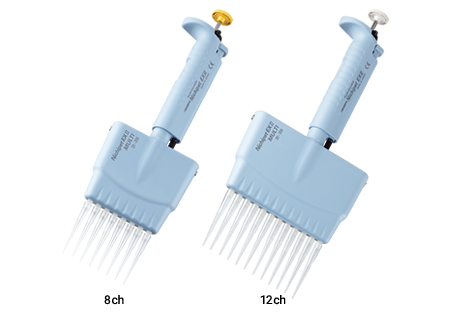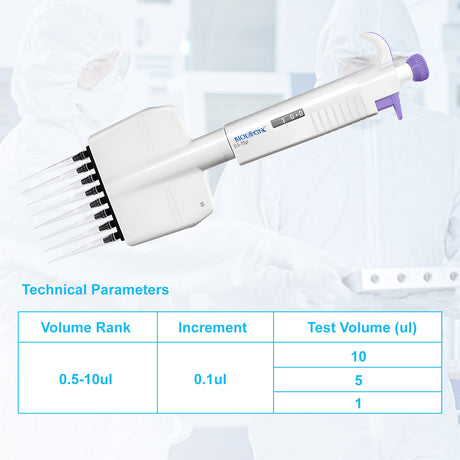

Choosing the right PCR consumables is one of the easiest ways to support stronger amplification results, cleaner handling, and a smoother workflow. Even the best thermal cycler performs better when it is paired with well-matched plates, tubes, and strips.
This guide explains how to approach Eppendorf PCR consumables compatibility with cyclers, including when to choose PCR plates and tubes, where PCR tube strips fit best, and how twin tubes work.tec PCR plates can support different PCR and qPCR workflows. It is designed to help researchers choose with more confidence and select the best PCR plates for different cyclers and applications.
Why PCR Consumables Compatibility Matters
PCR performance depends on more than reagents and programming. The consumable format must also fit the instrument and the workflow.
When the plate or tube format matches the cycler well, labs can benefit from:
- Better thermal contact
- More reliable sealing
- More consistent amplification
- Easier plate handling
- Stronger fluorescence performance in qPCR
- Smoother manual or automated workflows
A compatibility-focused approach helps labs avoid unnecessary trial-and-error. It also supports more dependable results across both endpoint PCR and real-time PCR applications.
What Is Included in Eppendorf PCR Consumables?
Eppendorf PCR consumables cover a broad range of formats for different thermal cyclers and assay needs. This includes standard PCR products and qPCR consumables designed for fluorescence-based workflows.
Common formats include:
- PCR plates and tubes
- twin.tec PCR plates
- PCR tube strips
- Cap strips and sealing options
- qPCR-specific plate formats
This range gives labs flexibility when selecting consumables for standard PCR, qPCR, low-volume assays, and high-throughput workflows.
Understanding the Main Consumable Formats
The best way to choose correctly is to match the consumable to the cycler block, detection method, and throughput requirements.
PCR plates and tubes
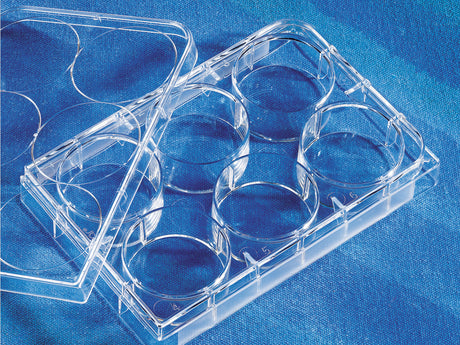
PCR plates and tubes remain the foundation of many PCR workflows. Individual tubes can work well for low-throughput or method development tasks, while plates are often preferred for efficiency, organization, and multi-sample runs.
They are especially useful when:
- Sample numbers vary from run to run
- The lab needs flexibility in workflow setup
- Different assay types are run on multiple cyclers
PCR tube strips
PCR tube strips are a practical middle ground between single tubes and full plates. They are convenient for lower-throughput workflows while still helping users organize multiple reactions neatly.
PCR tube strips are often useful for:
- Smaller assay batches
- Method optimization
- Research labs running partial sample sets
- Workflows where full 96-well plates are not necessary
For many labs, PCR tube strips offer a convenient, efficient option without committing to a full-plate format.
twin.tec PCR plates
twin.tec PCR plates are widely used when labs want reliable handling, rigidity, and broad compatibility across different cycler platforms. They are a strong option for both manual and automated workflows.
These plates are often valued for:
- Stable handling during setup
- Good fit for common 96-well and 384-well workflows
- Support for consistent thermal transfer
- Options suited to both PCR and qPCR applications
For labs evaluating the best PCR plates for different cyclers, twin.tec formats are often worth close consideration because they are designed with both workflow practicality and instrument compatibility in mind.
How to Check Eppendorf PCR Consumables Compatibility With Cyclers
A good compatibility check starts with a few simple questions.
1. What block format does the cycler use?
Before choosing a consumable, confirm whether the cycler is built for:
- 96-well plates
- 384-well plates
- Tube strips
- Individual tubes
This is the first step in evaluating the compatibility of Eppendorf PCR consumables with cyclers.
2. Is the application standard PCR or qPCR?
Endpoint PCR and qPCR do not always prioritize the same consumables. Standard PCR may focus more on thermal performance and sealing, while qPCR also depends heavily on optical performance. For qPCR, plate color, well design, and fluorescence behavior become more important.
3. Does the workflow need low-profile or standard-profile plates?
Some cyclers perform best with specific plate profiles. Low-profile and standard-profile formats can affect fit, handling, and run performance depending on the instrument.
4. Is the lab using manual setup or automation?
Automation-friendly formats can improve reliability in higher-throughput environments. For manual workflows, ease of handling and sealing may be the bigger priority.
Choosing Consumables for Standard PCR
For standard PCR, the ideal consumables often depend on sample volume, run size, and instrument format.
Best options for standard PCR workflows
A lab may prefer:
- Individual tubes for small experiments
- PCR tube strips for moderate sample counts,
- twin.tec PCR plates for organized, multi-sample processing
If the instrument accepts multiple formats, the choice can be guided by convenience and throughput. In many research settings, 96-well PCR plates and tubes offer the best balance between flexibility and efficiency.
Choosing Consumables for qPCR
qPCR workflows usually require more attention to plate design because fluorescence detection is central to assay performance.
What matters most for qPCR consumables
When selecting qPCR consumables, labs often look for:
- Strong optical performance
- Reliable well-to-well consistency
- Secure sealing to reduce evaporation
- Good thermal transfer
- Compatibility with the cycler's optical system
For fluorescence-based assays, white-well qPCR plates can be especially helpful, as they improve signal reflection and support stronger detection. This is one reason many labs carefully compare qPCR-specific options when reviewing Eppendorf PCR consumables compatibility with cyclers' workflows.
Best PCR Plates for Different Cyclers
There is no single plate that is ideal for every instrument and every assay. The best PCR plates for different cyclers depend on a combination of block design, assay type, throughput, and detection needs.
For 96-well standard PCR cyclers
A 96-well plate format is often the most practical choice for routine PCR workflows. Many labs prefer rigid plate designs that are easy to seal, transport, and handle.
For 384-well cyclers
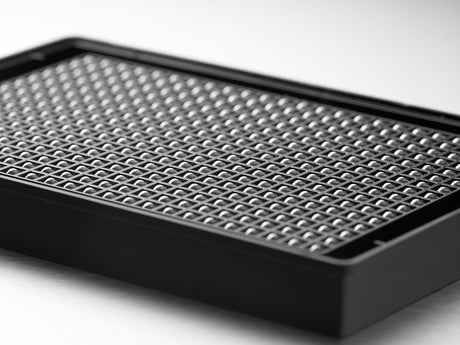
High-throughput workflows often benefit from 384-well formats designed specifically for those blocks. Compatibility is especially important here because fit and uniformity directly influence workflow quality.
For partial runs or smaller experiments
PCR tube strips can be an excellent option when the lab does not need a full plate. They help reduce waste and keep smaller studies efficient.
For fluorescence-based qPCR cyclers
qPCR-specific plates with strong optical properties are often the better fit. In these cases, choosing the correct plate style can improve signal detection and reproducibility.
Practical Selection Tips for Labs
When comparing PCR consumables and qPCR consumables, these practical tips can make selection easier.
Match the consumables to the sample throughput.
- Low sample numbers: consider tubes or PCR tube strips
- Medium to high sample numbers: consider 96-well plates
- High-throughput screening: consider 384-well plates
Match the consumables to detection needs.
- Standard amplification: General PCR tubes or plates may be enough
- Fluorescence detection: qPCR-optimized plates are often the stronger choice
Match the consumable to the workflow style.
- Manual setup: look for easy handling and reliable sealing
- Automation: choose rigid formats suited for instrument workflows
Review official compatibility resources.
Compatibility tables and manufacturer guidance are always worth checking before standardizing a consumable across multiple cyclers.
Common Mistakes to Avoid
A few small mistakes can make the selection of consumables more difficult than it needs to be.
Avoid these common issues:
- Assuming every 96-well plate fits every 96-well cycler equally well
- Choosing standard PCR plates for optical qPCR needs without checking performance
- Ignoring plate profile requirements
- Using a full plate when PCR tube strips would be more efficient
- Overlooking sealing compatibility
- Standardizing one format without reviewing all cyclers in the lab
A thoughtful compatibility check often saves time, improves consistency, and supports better resource use.
FAQs
Why is PCR consumables compatibility important?
PCR consumables compatibility matters because the right plate, tube, or strip format supports better fit, sealing, thermal transfer, and assay consistency on the cycler.
Are Eppendorf PCR consumables compatible with different cycler brands?
Many Eppendorf PCR consumables are designed for broad compatibility across major PCR and qPCR cycler platforms, but labs should still confirm the exact format for their specific cycler model.
What are twins? What are the PCR plates used for?
Twin.tec PCR plates are used for PCR and qPCR workflows that require reliable handling, consistent performance, and compatibility with common cycler formats.
When should I use PCR tube strips instead of plates?
PCR tube strips are often a great choice for smaller assay batches, method development, and workflows where a full plate is not necessary.
What should I look for in qPCR consumables?
For qPCR consumables, focus on optical performance, sealing quality, thermal consistency, and compatibility with the qPCR cycler's detection system.
Conclusion:
Choosing the right consumables is a practical step that can improve PCR efficiency, assay consistency, and everyday lab confidence. A comprehensive guide to PCR and qPCR consumables compatibility helps labs make better decisions by connecting consumable formats to the cycler, assay type, and throughput needs.
For many workflows, Eppendorf PCR consumables offer useful flexibility across plate, strip, and tube formats. Whether a lab is comparing PCR plates and tubes, or evaluating twins.tec PCR plates, or selecting PCR tube strips for smaller runs, the goal is the same: reliable performance with the right fit for the instrument.
For labs building quality-focused workflows, suppliers such as Astor Scientific can be part of the broader conversation around dependable consumables and efficient PCR setup. The best results often come from choosing the consumable that matches both the cycler and the application.